Are you prepared for unexpected emergencies in St. Paul, MN? Having the right survival kit can make all the difference when disaster strikes.
As a survival kits owner in St. Paul, you hold the key to safety and peace of mind for yourself and your loved ones. This article will guide you through everything you need to know about owning, choosing, and maintaining a survival kit tailored for your unique needs.
Keep reading to discover how you can stay ready and confident no matter what comes your way.

Credit: www.islandchief.com
Choosing The Right Survival Kit
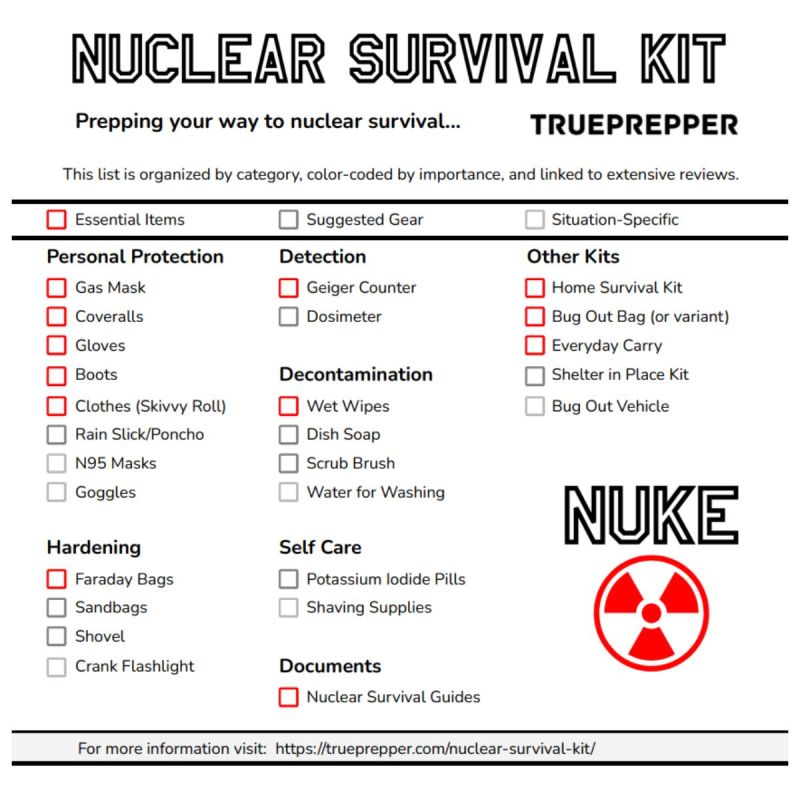
Choosing the right survival kit is crucial for safety and peace of mind. A well-prepared kit can make a big difference in emergencies. It should meet basic needs while fitting your specific environment and risks.
Every survival kit varies. Selecting the right one means balancing essentials and personal needs. Knowing what to include and how to customize can improve your chances in tough situations.
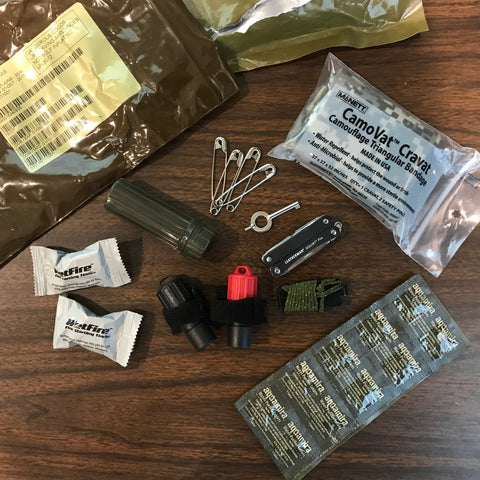
Key Components To Include
- Water and purification supplies to stay hydrated
- Non-perishable food for energy and nutrition
- First aid kit to treat injuries
- Fire-starting tools for warmth and signaling
- Multi-tool or knife for various tasks
- Flashlight with extra batteries for visibility
- Emergency blanket to retain body heat
- Communication device like a whistle or radio
Customizing For Local Conditions
St. Paul, MN, has cold winters and humid summers. Your survival kit should reflect this.
- Add extra warm clothing or hand warmers for winter
- Include insect repellent for summer months
- Consider waterproof gear due to rain and snow
- Pack local maps and contact info for nearby help
- Include allergy medication if local plants or pests affect you
Quality Vs. Quantity
More items do not always mean better preparedness. Quality gear lasts longer and works better.
- Choose durable tools over many cheap ones
- Pick food with long shelf life and good nutrition
- Select water filters known for reliability
- Focus on essential items you can carry easily
- Test equipment before emergencies
Storing Your Survival Kit
Storing your survival kit properly keeps it ready for any emergency. The right place protects the supplies from damage and makes the kit easy to access. Careful storage helps extend the life of your items and ensures they work when you need them most.
Best Storage Locations
Choose a dry, cool spot away from direct sunlight. Avoid places with high humidity to prevent mold and rust. Keep the kit near your main exit or a central area in your home. Consider these options:
- Closet shelves
- Under the bed
- Garage cabinets
- Car trunk
Make sure the location is easy to reach quickly in an emergency.
Maintaining Kit Readiness
Check your survival kit every three to six months. Look for expired food, damaged packaging, or broken tools. Replace batteries and update first aid supplies regularly. Keep a checklist of items to track what needs restocking. Clean the kit and its container to avoid dust buildup.
Seasonal Adjustments
Adjust your kit based on the season and climate. Add warm clothes and blankets in winter. Include sun protection and extra water in summer. Swap out food and water supplies that may spoil faster in heat. Change your kit to meet seasonal weather and local risks.
Essential Skills For Survival
Essential skills for survival are crucial in any emergency. They help you stay safe and find help quickly. Learning these skills boosts your confidence. You can handle tough situations better. Focus on key areas like first aid, navigation, and fire starting. These skills form the base of survival knowledge.
Basic First Aid
First aid skills save lives. Knowing how to treat wounds and stops bleeding is vital. Learn to clean cuts and apply bandages. Understand how to help someone who is choking. Recognize signs of shock and provide care. Carry a small first aid kit for emergencies.
Navigation Techniques
Navigation skills prevent getting lost. Learn to use a compass and read maps. Identify landmarks and natural signs like the sun or stars. Practice finding directions without electronic devices. These skills help you reach safety or find rescue teams.
Fire Starting Methods
Fire is essential for warmth and cooking. Know how to start a fire safely. Use matches, lighters, or natural materials like dry leaves and sticks. Learn to build different fire types for various needs. Always clear the area to avoid wildfires.
Emergency Scenarios In St Paul, Mn
St Paul, MN faces various emergency situations that require readiness. Knowing what to expect helps in preparing survival kits effectively. This knowledge supports safety and quick response during critical times.
Weather-related Emergencies
St Paul experiences harsh winters with heavy snow and ice storms. These conditions can cause dangerous roadways and limited visibility. Sudden temperature drops demand warm clothing and shelter.
Spring and summer bring thunderstorms and flooding risks. Strong winds and lightning pose threats to property and safety. Having rain gear and waterproof items is crucial.
Power Outages
Power outages occur frequently during storms or equipment failure. These outages can last from a few hours to several days. Emergency lighting, batteries, and non-perishable food become essential.
Communication devices may stop working without power. Backup power sources like portable chargers support staying connected. Water supply may also be affected during outages.
Natural Disasters
Flooding is a common natural disaster in low-lying areas of St Paul. Water damage can disrupt homes and essential services. Evacuation plans and waterproof supplies help reduce risks.
Tornadoes are less frequent but possible. They cause severe damage within minutes. A safe shelter and emergency radios are important for timely warnings.
Building A Community Preparedness Plan
Building a community preparedness plan strengthens safety for everyone nearby. It brings neighbors together to face emergencies as a team. Sharing skills and resources makes each household stronger. Planning ahead helps reduce panic and confusion during crises. Communities that work together recover faster and safer.
Coordinating With Neighbors
Start by meeting neighbors to discuss risks and needs. Create a list of who can help with first aid, shelter, or supplies. Assign roles based on strengths and availability. Schedule regular meetups to update plans and share information. Keep the group small enough to manage but large enough to cover various skills.
Sharing Resources
Pooling resources saves money and effort for everyone. Share tools, food, water, and medical supplies. Keep an inventory list to track what is available and what is needed. Rotate supplies to avoid expiration. Establish a central storage location that is easy to access for all members.
Communication Strategies
Develop clear ways to communicate during an emergency. Use simple methods like phone trees, walkie-talkies, or text groups. Assign a contact person for spreading updates quickly. Practice communication plans regularly to ensure everyone understands their role. Prepare backup plans if normal communication fails.

Credit: mspmag.com

Credit: www.pbs.org
Frequently Asked Questions
What Should A Survival Kit Contain?
A survival kit should include essentials like water, non-perishable food, flashlight, first aid supplies, and a multi-tool. Additionally, consider items like blankets, matches, and a whistle. Depending on your location, customize your kit to address specific needs or emergencies. Regularly update your kit to ensure all items are in good condition.
How Often Should I Update My Survival Kit?
You should update your survival kit every six months. This ensures all items are in good condition and not expired. Check batteries, food, and water supplies regularly. Adjust your kit for seasonal changes and personal needs. An updated kit enhances preparedness for emergencies and unexpected situations.
Why Is A Survival Kit Important?
A survival kit is crucial for emergency preparedness. It provides essential supplies during natural disasters or unexpected events. Having a kit ensures you have basic necessities like food, water, and first aid. This preparedness can significantly increase your chances of safety and survival in crisis situations.
How To Choose The Best Survival Kit?
Choose a survival kit based on your specific needs and environment. Consider factors like family size, location, and potential emergencies. Look for comprehensive kits with high-quality items. Ensure it includes basics like food, water, and first aid. Personalize your kit with additional items suited to your needs.
Conclusion
Survival kits in St Paul, MN offer peace of mind and safety. Every kit includes essential tools for emergencies. Being ready helps protect your family and yourself. Choose a kit that fits your needs and environment. Stay informed and keep your supplies updated regularly.
Preparedness is simple with the right survival kit. Trust local expertise for quality and reliable gear. Stay safe, stay ready.