When an earthquake strikes, every second counts. Are you truly prepared to face the unexpected?
Having the right survival kit can make all the difference between safety and danger for you and your loved ones. But what exactly should you include in your earthquake survival kit to ensure you’re ready for anything? Keep reading, because knowing these essential items could save your life when it matters most.
Basic Supplies
When building your earthquake survival kit, the basic supplies form the core of your preparedness. These essentials ensure you can sustain yourself and your loved ones during those critical first days after a quake. Missing just one key item can make a big difference in comfort and safety.
Water And Hydration
Water is the most vital resource in any survival situation. Aim to store at least one gallon of water per person per day for drinking and sanitation. Consider practical options like bottled water, water purification tablets, or portable filters to keep your supply safe and accessible.
Have you thought about how you’ll carry water if you need to evacuate on foot? A sturdy water container or collapsible bottles can make transport easier. Remember, dehydration can sneak up quickly, especially in stressful conditions.
Non-perishable Food
Choose foods that don’t spoil easily and require little or no cooking. Canned goods, protein bars, dried fruits, and nuts are excellent choices. Also, check expiration dates regularly and rotate your stock to keep everything fresh.
Think about foods you actually enjoy eating. During a crisis, familiar tastes can lift your spirits and keep morale high. Don’t forget a manual can opener—without it, those canned meals become useless.
First Aid Kit
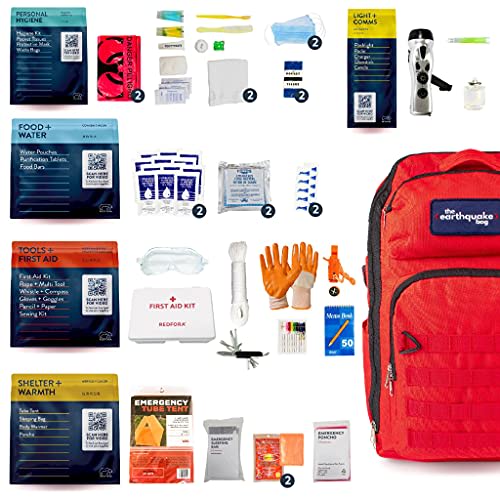
A well-stocked first aid kit can save lives and prevent minor injuries from becoming serious. Include bandages, antiseptic wipes, pain relievers, scissors, tweezers, and any prescription medications you or your family need. Adding a first aid manual can guide you through emergency treatments.
Have you practiced using these supplies before? Knowing how to apply a bandage or treat a burn makes a huge difference when seconds count. Your kit is only as good as your readiness to use it effectively.

Credit: www.amazon.com
Tools And Equipment
Having the right tools and equipment in your earthquake survival kit can make a big difference when disaster strikes. These items help you stay safe, informed, and self-reliant during those critical moments. Think about the last time you faced a power outage or got stranded; the right gear can turn a tough situation into a manageable one.
Flashlights And Batteries
Power often goes out during earthquakes, leaving you in complete darkness. A reliable flashlight is essential for navigating safely in your home or outside. Make sure to pack extra batteries because a flashlight without power is useless.
Consider LED flashlights—they last longer and use less battery power. Also, keep a headlamp handy to free your hands for tasks like searching for supplies or helping others. Have you tested your flashlight recently? Regular checks ensure it works when you need it most.
Multi-purpose Tools
A multi-purpose tool is one of the most versatile items you can carry. It combines several functions like a knife, screwdriver, can opener, and pliers in one compact device. This saves space and prepares you for many situations, from cutting rope to opening canned food.
Choose tools with durable build quality and easy-to-use designs. Some even include small saw blades or scissors, which can be lifesavers. Ask yourself: Can this tool help me fix, cut, or build something quickly in an emergency?
Emergency Radio
Staying informed during an earthquake is crucial. An emergency radio lets you receive weather updates, emergency broadcasts, and rescue information even if cell networks fail. Look for radios that work on batteries, solar power, or hand cranks to ensure they keep running.
Some radios also include built-in flashlights or USB chargers for your phone. This makes them a multi-functional device worth adding to your kit. How will you stay informed if your phone dies or the internet goes down?
Safety And Protection
Safety and protection are the most important parts of any earthquake survival kit. These items help protect your body from injuries during and after an earthquake. They reduce the risk of cuts, scrapes, dust inhalation, and eye damage. Including the right gear increases your chances of staying safe and healthy in a dangerous situation.
Protective Clothing
Strong, durable clothing protects your skin from sharp debris and rough surfaces. Choose long-sleeved shirts and long pants made from thick material. Sturdy shoes or boots are a must to shield your feet from broken glass and rubble. Avoid sandals or open-toed shoes that leave your feet exposed.
Dust Masks
Earthquakes often create a lot of dust and dirt in the air. Dust masks help you breathe clean air and prevent lung problems. They filter out small particles that can cause coughing or breathing difficulty. Keep several masks in your kit for everyone in your group.
Gloves And Eye Protection
Gloves protect your hands from cuts and scrapes while moving debris. Choose thick, work-style gloves that cover your wrists well. Eye protection, like safety goggles, guards your eyes from dust and flying particles. Both gloves and goggles are essential to avoid injuries during cleanup and rescue efforts.

Credit: www.amazon.com
Personal Items
Personal items are essential in an earthquake survival kit. They help maintain your identity, health, and hygiene during emergencies. These items ensure you stay safe and comfortable until help arrives or you reach a safe place.
Important Documents
Keep copies of vital documents in a waterproof bag. Include:
- Birth certificates
- Marriage licenses
- Property deeds
- Insurance policies
- Emergency contact list
These papers prove your identity and help you access services quickly.
Cash And Identification
Carry some cash in small bills. ATMs and card machines may not work. Include your photo ID or driver’s license. These items help in transactions and prove who you are.
Medication And Hygiene Products
Pack enough prescription medicines for several days. Add basic first aid supplies like bandages and antiseptic wipes. Include hygiene items such as:
- Toothbrush and toothpaste
- Soap and hand sanitizer
- Feminine hygiene products
- Wet wipes and tissues
Maintaining cleanliness reduces illness risk during emergencies.
Communication And Navigation
Communication and navigation tools are essential in an earthquake survival kit. They help you stay connected and find your way when usual systems fail. These tools increase your chances of rescue and safety.
Whistles And Signal Devices
Whistles are simple but effective for calling attention. They use less energy than shouting. Signal devices like mirrors or flares can alert rescuers from a distance. Keep these small and easy to reach.
Maps And Compass
Electronic devices may not work after an earthquake. Paper maps and a compass guide you through unfamiliar or blocked areas. Learn to use them before an emergency. Mark safe spots and routes on your maps.
Mobile Phone Chargers
Charged phones are vital for communication. Portable chargers or power banks keep phones alive when power is out. Solar chargers work without electricity. Store cables and chargers in your kit for quick access.
Comfort And Shelter
Comfort and shelter are vital after an earthquake. They protect you from cold, rain, and wind. They also give a sense of safety and rest. Including the right items in your survival kit helps you stay warm and dry.
Blankets And Sleeping Bags
Warm blankets and sleeping bags keep body heat in cold weather. Choose lightweight, compact options for easy storage. Wool or thermal blankets work best. Sleeping bags provide full-body warmth and comfort. They help you rest better in tough conditions.
Tents And Tarps
Tents give a safe place to sleep and protect from rain. Look for tents that are easy to set up and strong. Tarps can create quick shelters or cover damaged roofs. They are versatile and lightweight. Carry ropes or cords to secure tarps properly.
Emergency Ponchos
Emergency ponchos protect from rain and wind. They are small and easy to carry. Ponchos can also be used as ground cover or shelter material. Including a few in your kit adds extra protection during bad weather.

Credit: www.amazon.com
Frequently Asked Questions
What Essential Items Are In An Earthquake Survival Kit?
An earthquake survival kit should include water, non-perishable food, a first aid kit, flashlight, batteries, and a whistle. These items help you stay safe and communicate during emergencies.
How Much Water Should Be In An Earthquake Kit?
Store at least one gallon of water per person per day for three days. Water is crucial for hydration and basic hygiene after an earthquake.
Why Include A First Aid Kit In The Survival Kit?
A first aid kit treats injuries when medical help is unavailable. It contains bandages, antiseptics, pain relievers, and essential medical supplies.
Should Emergency Tools Be Part Of The Kit?
Yes, tools like a wrench, multi-tool, and dust mask are vital. They help with repairs, safety, and protection from debris and dust.
Conclusion
A good earthquake survival kit saves lives and reduces stress. Include water, food, first aid, and tools for safety. Keep important documents and a flashlight close by. Regularly check and update your kit for readiness. Being prepared helps you stay calm during emergencies.
Simple steps make a big difference in hard times. Start building your kit today for peace of mind. Stay safe and ready.