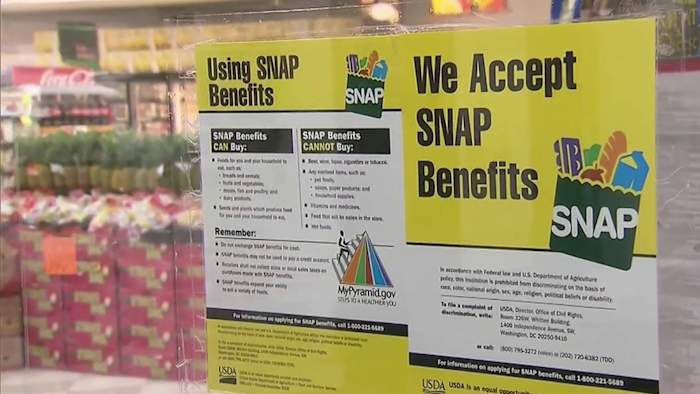
Are you worried about how the coronavirus might affect your access to food? You’re not alone.
Many people are asking the same question: Are we getting emergency food stamps because of the pandemic? If you’ve faced job loss, reduced hours, or unexpected expenses, knowing what help is available can make a big difference. Keep reading to find out if you qualify for emergency food stamps, how to apply, and what changes might impact your benefits right now.
This information could be exactly what you need to ease your stress and put food on your table.
Current Emergency Food Stamp Benefits
The current emergency food stamp benefits have been adjusted to address the ongoing challenges brought by the coronavirus pandemic. These changes aim to provide immediate relief to families and individuals facing unexpected financial hardships. Understanding these updates can help you determine if you qualify and how to maximize the assistance available.
Eligibility Criteria Updates
Eligibility for emergency food stamps has been expanded in many areas to include more households affected by job loss or reduced income due to COVID-19. Some states now allow self-employed individuals and gig workers to apply, recognizing the varied impact of the pandemic. You should check your local guidelines, as eligibility rules can differ depending on where you live.
Have you recently experienced a drop in income? You might qualify even if you didn’t before. It’s worth reviewing the updated criteria or consulting with a local assistance office to confirm your status.
Benefit Amount Changes
Benefit amounts have generally increased to help cover rising food costs and longer periods of need. Many recipients are receiving the maximum allotment allowed under emergency provisions, which can significantly boost your monthly food budget. This temporary increase is designed to ease the strain until economic conditions improve.
If you’re currently receiving food stamps, check whether your benefit amount has gone up. Sometimes, updates happen automatically, but you may need to report changes in your household or income to qualify for the full increase.
Application Process Adjustments
To reduce in-person contact and speed up assistance, many states have streamlined their application processes. Online applications, phone interviews, and expedited approvals have become more common. This makes it easier for you to apply without risking your health or waiting weeks for a response.
Have you tried applying recently? You might find the process simpler than before, with clear instructions and faster decisions. Keep your documents ready, like proof of income and identification, to avoid delays.

Credit: www.lasp.org
Government Actions And Relief Measures
The government has taken several steps to help people struggling with food insecurity during the coronavirus pandemic. These actions aim to ensure families have enough food while facing job losses and economic difficulties. Relief measures include expanding food stamp benefits and providing emergency funding to local food programs.
Understanding these efforts helps clarify if emergency food stamps are available and how they work.
Federal Response To Food Insecurity
The federal government increased funding for the Supplemental Nutrition Assistance Program (SNAP). This program helps low-income families buy groceries. The government raised benefit amounts and simplified the application process to reach more people quickly.
Congress also passed stimulus packages that included emergency food assistance. These packages provided extra money to food banks and community organizations. This support helped meet the rising demand for food aid during the pandemic.
State-level Initiatives
States have the power to adjust SNAP rules during emergencies. Many states expanded eligibility and waived certain requirements to help more residents. Some states issued emergency allotments, giving extra benefits to households already enrolled in SNAP.
Local governments and nonprofits also launched food distribution events. These initiatives helped reach people in rural and underserved areas. State programs worked closely with federal efforts to maximize support.
Temporary Vs. Permanent Changes
Most relief measures during the pandemic were temporary. They aimed to address immediate food needs caused by job losses and health risks. Some changes, like higher SNAP benefits, are set to expire as the economy improves.
There is ongoing discussion about making some expansions permanent. Advocates argue that increased benefits reduce hunger and improve health. Lawmakers continue to evaluate which changes best support long-term food security.
Impact On Families And Communities
The impact of emergency food stamps during the coronavirus pandemic is significant for families and communities. Many households faced sudden income loss and struggled to buy enough food. Emergency food stamps helped ease this burden. They offered a vital source of nutrition and stability during uncertain times.
This support also affected local communities. Food insecurity dropped in many areas. Families could focus on health and wellbeing without constant worry about meals. Yet, challenges remained for some recipients. Understanding these effects helps us see the full picture of emergency aid.
Increased Access To Nutrition
Emergency food stamps expanded access to healthy food. Families bought fruits, vegetables, and other essentials. Children’s diets improved, which supports growth and learning. Food pantries and local markets saw more participation from those in need. This access helped reduce hunger and malnutrition in many communities.
Challenges Faced By Recipients
Some recipients struggled with the new system. Applying for emergency food stamps was confusing for many. Language barriers and lack of internet access made it harder. Delays in processing sometimes left families waiting too long. Navigating rules and eligibility was also stressful during a crisis.
Support For Vulnerable Groups
Emergency food stamps prioritized vulnerable groups like seniors and disabled people. Single-parent families received extra support to feed their children. Programs worked with schools to provide meals for kids learning remotely. These efforts ensured no one was left behind during the pandemic’s challenges.
Credit: www.bms.com
How To Stay Informed On Food Stamp Updates
Staying informed on food stamp updates is essential, especially during uncertain times like the coronavirus pandemic. Information changes quickly, and knowing where to look can help you secure the benefits you need without delay. Let’s break down some trusted sources and practical tips to keep you up to date.
Official Resources And Websites
Government websites are the most reliable places to check for the latest food stamp news. Visit the USDA Food and Nutrition Servicesite for federal updates. Your state’s Department of Social Services or Human Services website often posts localized information and application details.
Signing up for email alerts from these sites can save you time. Some states also offer text message notifications for urgent changes. Have you checked your local agency’s website recently to see if new emergency benefits are available?
Community Assistance Programs
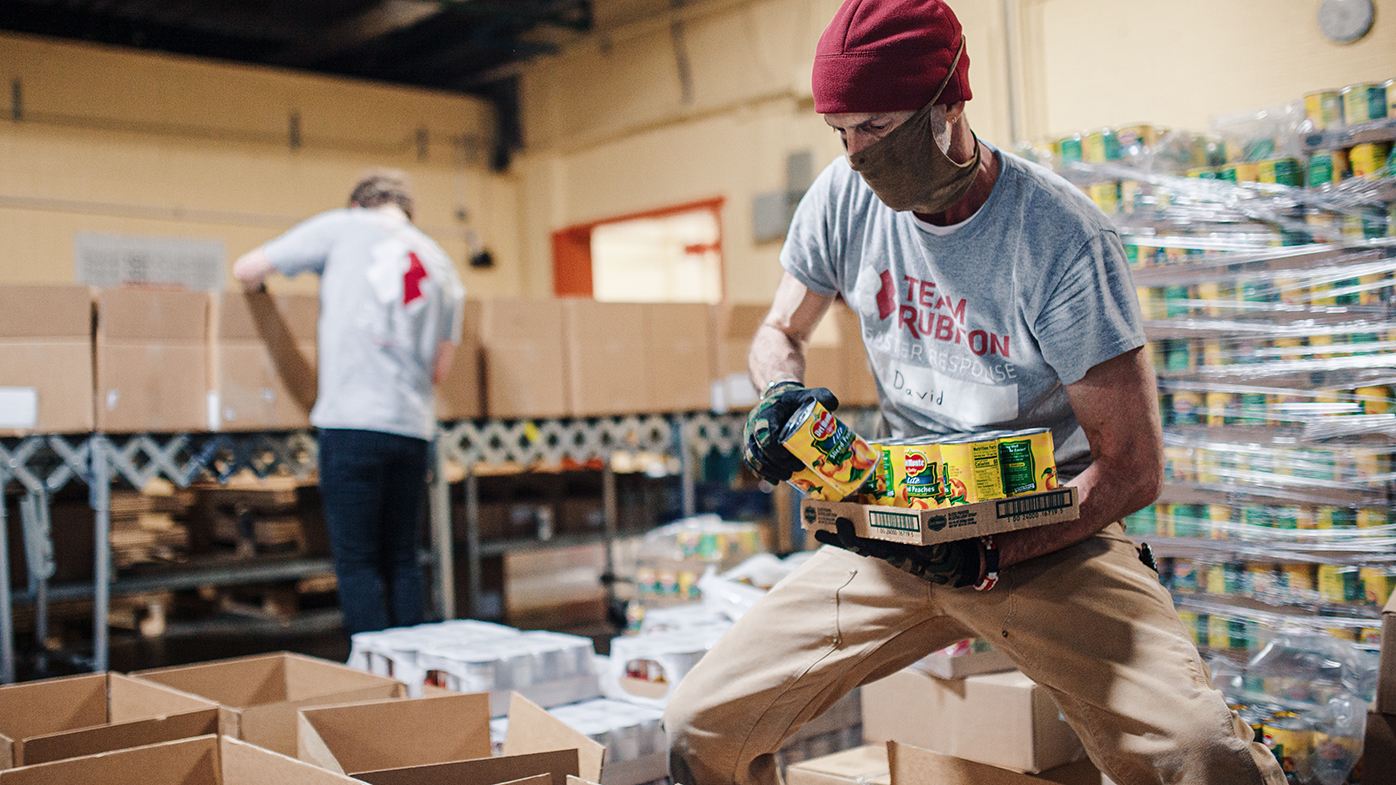
Local nonprofits and food banks often have early knowledge of benefit expansions or emergency distributions. They can guide you through applying or connect you with additional resources. Visiting or calling these organizations can sometimes provide answers faster than official channels.
Many community centers post flyers or hold workshops about current food assistance programs. You might discover options you didn’t know existed, like special coronavirus relief packages. How connected are you with community groups that could support your food needs?
Tips For Managing Benefits
Keep track of your benefit balance and expiration dates to avoid surprises. Some states allow online portals or mobile apps for easier management. Using these tools helps you plan meals and budget effectively.
Stay organized by saving confirmation emails and documenting phone calls with your caseworker. If updates affect your eligibility or amount, report any changes promptly to prevent benefit interruptions. What simple steps can you take today to make managing your benefits smoother?

Credit: www.calpnetwork.org
Frequently Asked Questions
Are Emergency Food Stamps Available Due To Coronavirus?
Yes, many states expanded emergency food stamp benefits during the coronavirus pandemic to help those facing financial hardship.
How Can I Apply For Emergency Food Stamps Now?
You can apply online through your state’s SNAP website or visit local offices for assistance.
Who Qualifies For Emergency Food Stamps During Covid-19?
Low-income individuals and families affected by job loss or reduced income may qualify for emergency benefits.
How Long Do Emergency Food Stamp Benefits Last?
The duration varies by state but typically lasts until pandemic-related financial hardships subside.
Conclusion
Emergency food stamps helped many during the coronavirus crisis. These benefits supported families facing tough times. Rules and availability changed often to meet needs quickly. Stay informed through official sites for the latest updates. Knowing your options can ease stress and hunger.
Keep checking local programs for emergency food assistance. Support is out there, even if times remain hard. Taking action today can make a real difference tomorrow.