Have you ever wondered how much food you really need to have on hand for an emergency? It’s not just about storing random cans or snacks—you need the right amount to keep you and your loved ones safe and healthy.
Knowing exactly how much food to prepare can ease your mind and make sure you’re ready for anything. You’ll discover simple steps to calculate the perfect food supply tailored to your needs. Keep reading, and you’ll feel confident about your emergency food plan like never before.
Calculating Your Food Needs
Figuring out how much food you need for emergencies is not just about grabbing a bunch of canned goods. It requires a clear understanding of your daily nutritional needs and adjustments based on who you are and your lifestyle. Knowing this helps you avoid both shortages and waste, keeping your emergency supplies practical and reliable.
Daily Caloric Requirements
Your body needs a certain number of calories every day to function properly. On average, adults require between 1,800 and 2,500 calories daily, depending on gender and size. To get a rough estimate, think about what you normally eat in a day and multiply that by the number of days you want to prepare for.
For example, if you aim to have a two-week emergency supply, and your daily need is 2,000 calories, then you should store around 28,000 calories per person. This approach ensures you have enough energy to stay active and healthy during tough times.
Adjusting For Age And Activity
Not everyone burns calories at the same rate. Children, seniors, and people with low physical activity will need fewer calories, while highly active adults or teens might require more. Think about your household: is anyone pregnant, nursing, or recovering from illness? These conditions can increase caloric needs.
Consider this example: a teenage athlete might need up to 3,000 calories daily, while a sedentary older adult might only need 1,600. Adjust your food storage accordingly to avoid running out or having too much of the wrong supplies.
Special Dietary Considerations
Food allergies, medical conditions like diabetes, or specific diets such as vegetarianism affect what you should store. Simply having enough calories isn’t enough if the food doesn’t meet these needs. You might need gluten-free grains, sugar-free snacks, or extra vitamins and minerals.
Ask yourself: does your emergency food supply support your health requirements? Including a variety of nutrient-rich options and reading labels carefully will help you build a safe and comfortable stash. Taking time to plan these details can make a big difference when you need it most.

Credit: www.youtube.com
Types Of Emergency Food
Choosing the right types of emergency food is crucial for your preparedness plan. You need options that last long, provide good nutrition, and are easy to store. Understanding different categories helps you build a balanced emergency food supply that fits your lifestyle and space.
Non-perishable Staples
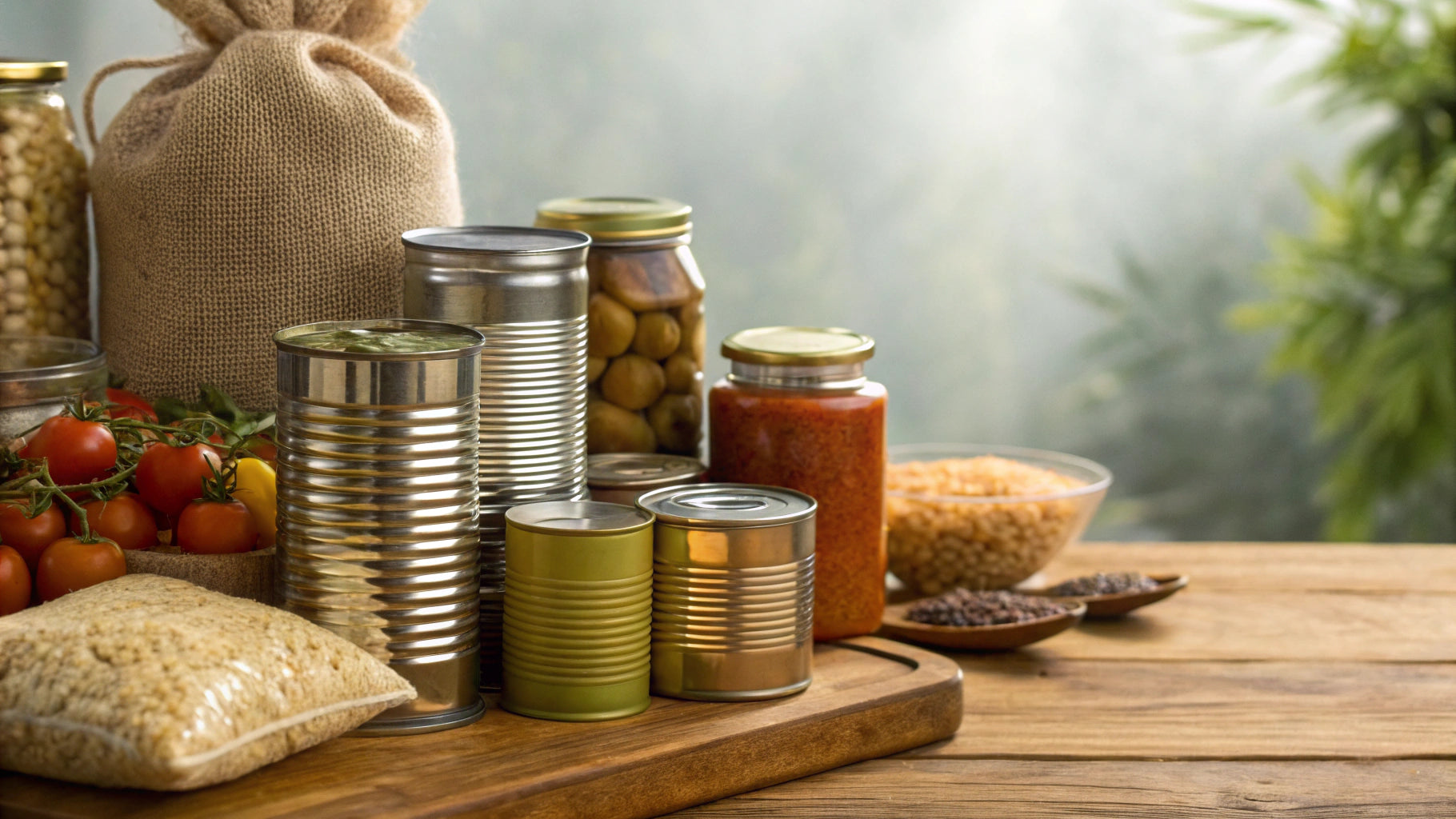
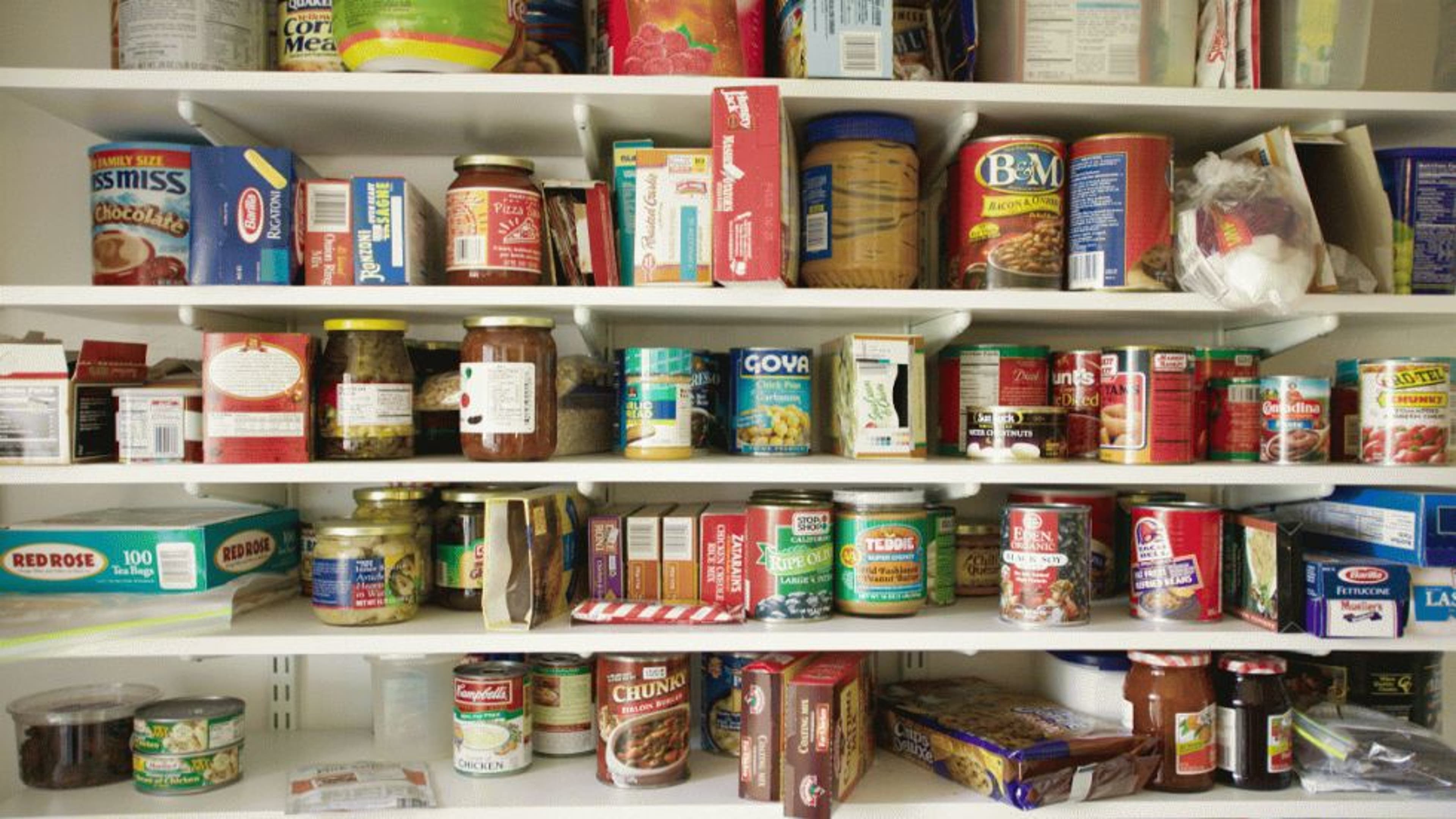
Non-perishable staples form the backbone of any emergency food supply. Items like rice, beans, pasta, and canned vegetables can last for years if stored properly.
These foods don’t require refrigeration and can be cooked with minimal resources. Have you checked the expiration dates on your pantry items lately? Rotating these staples regularly ensures you always have fresh supplies.
Freeze-dried And Dehydrated Options
Freeze-dried and dehydrated foods are lightweight and have a long shelf life, making them perfect for emergencies. They retain most of their nutrients and only need water to rehydrate.
Think about camping meals or astronaut food—these are good examples. Including these in your stock gives you variety and convenience, especially if cooking is limited during a crisis.
Ready-to-eat Meals
Ready-to-eat meals are a lifesaver when you can’t cook or lack water. These include MREs (Meals Ready to Eat), canned soups, or vacuum-sealed snacks.
They offer quick energy and are easy to pack for evacuation scenarios. Have you tried one yourself to check the taste and ease of preparation? Knowing what you like will help you stick to your emergency food plan without hesitation.
Storage Tips For Emergency Food
Storing emergency food properly keeps it safe and fresh for long periods. Good storage helps avoid spoilage, pests, and moisture damage. Knowing the right conditions and materials to use can extend shelf life. Careful rotation ensures you always have usable food ready.
Ideal Storage Conditions
Keep food in a cool, dark, and dry place. Temperatures between 50°F and 70°F work best. Avoid places with high humidity or direct sunlight. Basements and closets often provide good conditions. Air circulation helps prevent mold and odors.
Rotation And Shelf Life
Use the oldest food first to avoid waste. Label packages with purchase or expiration dates. Check food regularly for signs of spoilage. Rotate stock every six months to one year. Freeze dried and canned foods last longer but still need rotation.
Packaging Solutions
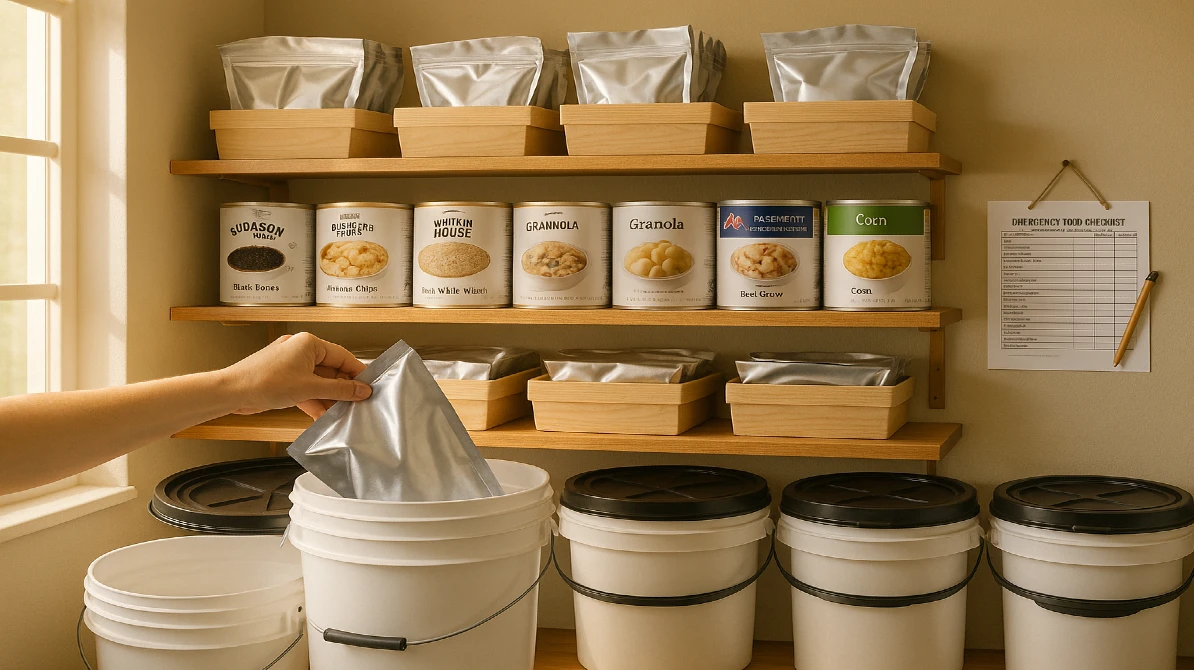
Use airtight containers to protect food from air and moisture. Vacuum-sealed bags and mylar bags with oxygen absorbers work well. Store smaller portions to open only what you need. Avoid plastic bags that can tear easily. Use metal or plastic bins with tight lids for extra protection.
Credit: weather.com
Water And Hydration Essentials
Water is the most critical element to consider when preparing for emergencies. Without enough water, even the best food supplies won’t keep you going. Understanding how much water you need and how to store and purify it can make a huge difference in your survival plan.
Daily Water Requirements
Most adults need about 2 to 3 liters of water each day to stay hydrated. However, in emergency situations where you might be more active or exposed to heat, your needs can increase significantly. Don’t forget that children, pregnant women, and those with medical conditions may require different amounts.
Think about this: if you plan for 3 liters per person per day, how many people are you preparing for? Multiply that by the number of days you want to be ready for, and you’ll get a clearer picture of your total water needs.
Water Storage And Purification
Storing water safely is just as important as having enough of it. Use food-grade containers and keep them in a cool, dark place to prevent contamination. Rotate your water supply every six months to keep it fresh.
If you run out of stored water, you’ll need ways to purify natural sources. Boiling water for at least one minute is the simplest method. You can also use water purification tablets or portable filters to remove harmful bacteria and viruses.
Hydrating Food Choices
Some foods can boost your hydration levels while providing essential nutrients. Fruits like watermelon, oranges, and cucumbers contain a high percentage of water and can help keep you hydrated. Vegetables such as celery and lettuce are also great options.
Including these foods in your emergency supplies can reduce your overall water needs. Have you considered how much of your emergency food stash could come from hydrating foods? This small change might lighten your load and improve your hydration.
Planning For Different Emergency Durations
Planning for different emergency durations is essential to ensure you have enough food during any crisis. Emergencies can last from a few days to several months. Your food supply should match the length of the emergency to keep you safe and healthy.
Different situations require different food amounts and types. Short outages need quick, easy meals, while long-term disasters need more planning and storage. Balancing the quantity and variety of food helps maintain nutrition and morale.
Short-term Supplies
Short-term emergencies usually last from three to seven days. Stock enough food for each person for at least three days. Choose non-perishable items that need little or no cooking.
- Canned soups and vegetables
- Instant noodles or pasta
- Granola bars and nuts
- Bottled water or water purification tablets
Keep these foods easy to access. Rotate supplies regularly to avoid spoilage.
Long-term Stockpiling
Long-term emergencies can last weeks or months. Store at least a two-week supply of food per person. Include a variety of foods that provide energy and nutrients over time.
- Dried beans, rice, and grains
- Canned meats and fish
- Freeze-dried fruits and vegetables
- Powdered milk or protein powders
- Cooking oil and seasonings
Consider storage space and shelf life. Use airtight containers and keep food in a cool, dry place.
Balancing Quantity And Variety
Quantity alone is not enough. Variety keeps meals interesting and nutritious. Include foods from different groups to meet dietary needs.
- Carbohydrates for energy
- Proteins for muscle and repair
- Fats for long-lasting energy
- Vitamins and minerals from fruits and vegetables
Mix ready-to-eat foods with those that need cooking. This balance helps maintain health and morale during emergencies.

Credit: choq.com
Supplementing Your Emergency Food
Having a stash of emergency food is crucial, but it’s not just about quantity. You need to think about what you add to that food supply to keep your body and mind functioning well during a crisis. Supplementing your emergency food can make a big difference in your health and comfort when resources are limited.
Vitamins And Minerals
Your body needs more than just calories to stay healthy. Vitamins and minerals support your immune system, energy levels, and overall well-being. Pack supplements like multivitamins or individual vitamins such as vitamin C, D, and zinc.
Don’t rely only on preserved foods; they often lose nutritional value over time. Think about adding powdered greens or mineral-rich salt to your food. These small additions help prevent deficiencies that can weaken you when you need strength the most.
Comfort Foods
Stress during emergencies can affect your appetite and mood. Having some comfort foods can boost your morale and help you maintain a sense of normalcy. Items like chocolate, nuts, dried fruit, or instant coffee can be lifesavers for your mental health.
I once had a stressful week during a power outage, and a simple packet of hot cocoa made a big difference. What small treat would you choose to brighten your day in tough times?
Cooking And Fuel Considerations
Think about how you will prepare your food when power and gas might be out. Choose foods that require minimal or no cooking, like canned beans or ready-to-eat meals. If you plan to cook, stock up on portable fuel sources such as propane, butane, or charcoal.
Also, remember to have matches or a lighter stored safely. Planning your cooking options in advance ensures you won’t be stuck with food you can’t eat. What’s your backup plan if your main cooking method fails?
Emergency Food For Families And Pets
When preparing emergency food supplies, it’s essential to consider everyone in your household—including your pets. Emergencies don’t pause for anyone, and having enough food for all family members ensures you stay nourished and healthy during tough times. Planning thoughtfully helps avoid last-minute stress and keeps everyone’s well-being in check.
Adjusting Portions For Family Size
Every family is different. The amount of food you store should reflect the number of people you need to feed. A family of four will need more supplies than a single person.
Think about daily calorie needs too. Adults generally require more calories than children, so adjust portions accordingly. You can use this simple guideline:
- Adults: 2,000 to 2,500 calories per day
- Children (ages 4-8): 1,200 to 1,800 calories per day
- Teens: 1,800 to 2,400 calories per day
Multiply these by the number of days you want to be prepared for. This calculation helps you avoid running out or wasting food.
Special Needs For Children And Elderly
Children and elderly family members often have unique dietary needs. Kids may need softer foods or items rich in vitamins to support growth. Older adults might require low-sodium or easy-to-digest options.
Ask yourself: Are there allergies or medical conditions to consider? Include any special supplements or medications with the food supply. Ensuring these needs are met can prevent health issues during emergencies.
Pet Food Storage
Don’t forget your pets—they rely on you completely. Just like humans, pets need a steady supply of food to stay healthy and calm during stressful times.
Store at least a two-week supply of your pet’s regular food. Keep it sealed and in a cool, dry place. If you have multiple pets, adjust the quantity based on their size and feeding habits.
Have you ever experienced your pet refusing unfamiliar food? Keep familiar brands on hand to avoid this problem. Also, consider any special dietary needs your pet might have, such as prescription food or treats that calm anxiety.
Frequently Asked Questions
How Much Food Is Needed Per Person For Emergencies?
Typically, plan for at least a 3-day supply of food per person. Store non-perishable, calorie-dense items to meet daily energy needs. Adjust quantity based on family size, dietary requirements, and emergency duration.
What Types Of Food Last Longest In Emergencies?
Canned goods, dried beans, rice, pasta, and freeze-dried meals last longest. These foods have low moisture and stable packaging. Avoid fresh or perishable items that spoil quickly without refrigeration.
How Many Calories Should Emergency Food Provide Daily?
Aim for 2000 to 2500 calories per person daily in emergencies. This range covers average adult energy needs. Include balanced nutrients to maintain health and energy during stressful situations.
Should Water Be Stored With Emergency Food Supplies?
Yes, store at least one gallon of water per person daily. Water is essential for drinking, cooking, and hygiene. Proper hydration supports survival and helps digestion of stored food.
Conclusion
Having enough food for emergencies keeps you safe and prepared. Store enough for at least three days, but aim for two weeks if possible. Choose foods that last long and are easy to cook or eat. Rotate your supplies to keep them fresh.
Don’t forget water and any special needs like medicine. Planning ahead reduces stress when problems arise. Stay calm, stay ready, and protect yourself and your family. Simple steps today can make a big difference tomorrow.