Have you ever found yourself staring at an empty cat food bowl, wondering if your feline friend can safely eat dog food in a pinch? It’s a common dilemma many cat owners face during emergencies or unexpected situations.
You want to keep your cat happy and healthy, but is dog food a safe option? You’ll discover what happens when cats eat dog food, the risks involved, and how to handle such moments without worry. Keep reading to make sure you’re prepared to protect your furry companion when time is tight.
Credit: www.walmart.ca
Cats Vs. Dogs: Dietary Needs
Cats and dogs have very different dietary needs due to their unique biology. Understanding these differences helps explain why feeding dog food to cats is not ideal. Cats are obligate carnivores. They require specific nutrients that dog food may lack. Dogs are more flexible eaters, able to digest a wider variety of foods. This section highlights the key nutritional differences between cats and dogs.
Essential Nutrients For Cats
Cats need certain nutrients that dogs can produce on their own or get from other sources. These include:
- Taurine
- Arachidonic acid
- Vitamin A
- Protein from animal sources
Without these nutrients, cats can develop serious health problems. Dog food often lacks enough of these essentials. Cats cannot convert some nutrients from plants like dogs can.
Differences In Protein Requirements
Cats require more protein than dogs for energy and muscle maintenance. Their bodies break down protein faster. High protein levels in their diet support their metabolism. Dog food typically contains less protein and more carbohydrates. This imbalance can cause nutritional deficiencies in cats over time.
Taurine: Why Cats Need It
Taurine is an amino acid vital for cats’ heart and eye health. Cats cannot make enough taurine internally. They must get it from their diet. Dog food often has low taurine levels. Feeding cats dog food regularly can lead to taurine deficiency. This causes vision loss and heart problems in cats.
Credit: www.petmd.com
Risks Of Feeding Dog Food To Cats
Feeding dog food to your cat in an emergency might seem like a quick fix, but it comes with risks that can affect your cat’s health. Cats and dogs have very different dietary needs, and dog food is not designed to meet the specific requirements of cats. Understanding these risks helps you make better choices for your pet’s well-being, especially when options seem limited.
Nutritional Deficiencies
Cats need certain nutrients that dog food often lacks, such as taurine, arachidonic acid, and vitamin A. Dog food usually contains lower levels of these essentials because dogs produce some nutrients on their own, but cats cannot. Feeding your cat dog food regularly can lead to deficiencies that affect their heart, vision, and immune system.
Have you ever noticed your cat becoming less active or losing weight after eating dog food? These signs might hint at missing nutrients. Ensuring your cat’s diet includes all their nutritional needs is critical to prevent such problems.
Potential Health Issues
Dog food is higher in carbohydrates and lower in protein compared to cat food. Cats are obligate carnivores, which means they need a high-protein diet to stay healthy. Feeding dog food can cause digestive upset, vomiting, diarrhea, or even more severe health problems over time.
Imagine your cat suffering from an upset stomach just because you offered dog food during an emergency. It’s a common scenario many pet owners face, highlighting why dog food should only be a very short-term solution. Always watch for signs of discomfort if your cat eats dog food once in a while.
Long-term Effects
Long-term feeding of dog food to cats can lead to serious conditions like heart disease, blindness, and weakened immune function. Taurine deficiency, in particular, has been linked to dilated cardiomyopathy (a heart condition) and retinal degeneration in cats. These issues develop slowly and may not be immediately obvious.
Would you risk your cat’s future health to save a moment now? While an emergency may justify a single meal of dog food, it should never become a habit. Prioritize finding proper cat food as soon as possible to avoid lasting damage.
When Dog Food Is An Emergency Option
Sometimes, you might find yourself out of your cat’s usual food and wonder if dog food can fill the gap. While it’s not ideal, dog food can serve as a short-term emergency option under certain conditions. Understanding when and how to use dog food for your cat can help you avoid health issues and keep your furry friend safe until you get the right food.
Identifying True Emergencies
Not every moment without cat food calls for switching to dog food. True emergencies include unexpected delays in pet food delivery, sudden store closures, or situations where your cat has no access to its regular diet for 24 hours or more.
If your cat is showing signs of hunger and you have no cat food available, using dog food can help prevent low blood sugar and discomfort. However, if you can find any alternative cat-appropriate food, that’s always better.
Short-term Feeding Guidelines
When you decide to feed your cat dog food, keep it strictly short-term—no more than a day or two. Dog food lacks specific nutrients cats need, such as taurine, so extended feeding can cause nutritional deficiencies.
Offer small amounts and observe how your cat reacts. Avoid fatty or heavily seasoned dog food, which might upset your cat’s stomach. Also, make sure fresh water is always available.
Monitoring Cat’s Health
Watch your cat closely after feeding dog food. Look for signs like vomiting, diarrhea, lethargy, or unusual behavior. These symptoms mean you should switch back to cat food immediately and consult your vet if needed.
Keep in mind that even a brief diet change can stress your cat’s digestive system. Are you ready to handle unexpected reactions? Your awareness and quick response can make all the difference.
Safe Alternatives During Emergencies
During emergencies, feeding your cat can be challenging. Dog food is not ideal for cats due to different nutritional needs. Finding safe alternatives helps keep your cat healthy until regular food is available. There are simple options using common human foods and easy homemade recipes. Proper storage also ensures you have emergency supplies ready.
Human Foods Cats Can Eat
Certain human foods are safe for cats in small amounts. These can serve as temporary meals. Always avoid toxic ingredients like onions, garlic, and chocolate.
- Cooked plain chicken or turkey (no bones or seasoning)
- Boiled eggs
- Small portions of cooked fish (without bones)
- Plain rice or pumpkin (good for digestion)
- Small amounts of cheese or yogurt (if tolerated)
Homemade Cat Food Tips
Making simple homemade food can help during shortages. Focus on balanced nutrition with protein and fats. Avoid spices, salt, and harmful ingredients.
- Use cooked meats as the main protein source
- Add a small amount of cooked vegetables like carrots or peas
- Include a vitamin supplement if possible
- Serve food at room temperature
- Store leftovers safely in airtight containers
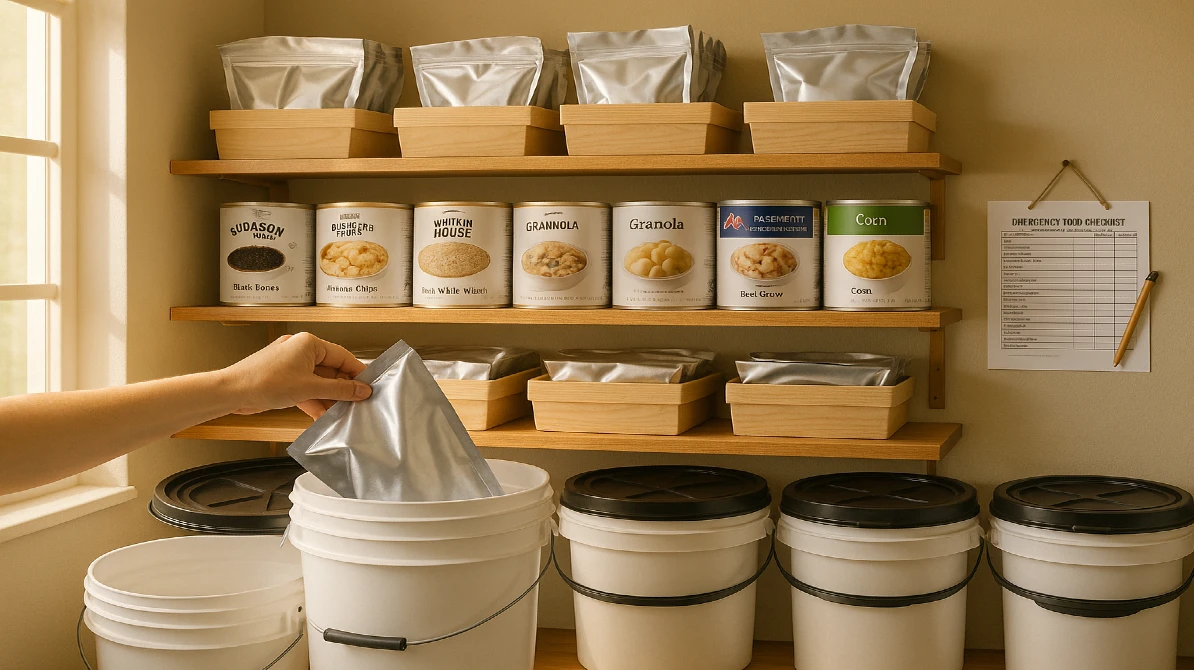
Emergency Food Storage Ideas
Preparing emergency food stock helps avoid stress during shortages. Choose foods with long shelf life and easy preparation.
- Canned or pouch cat food with long expiration dates
- Freeze cooked meats in small portions
- Store dry cat food in airtight bins
- Keep a supply of safe human foods like rice and canned pumpkin
- Rotate stock regularly to keep food fresh
Preventive Measures For Pet Owners
Preventing issues with pet food is important for pet owners. Having the right food ready can keep cats healthy and safe. Emergencies happen without warning. Being prepared can reduce stress for both pets and owners. Knowing what to do helps avoid feeding cats dog food, which can harm them.
Stocking Proper Cat Food
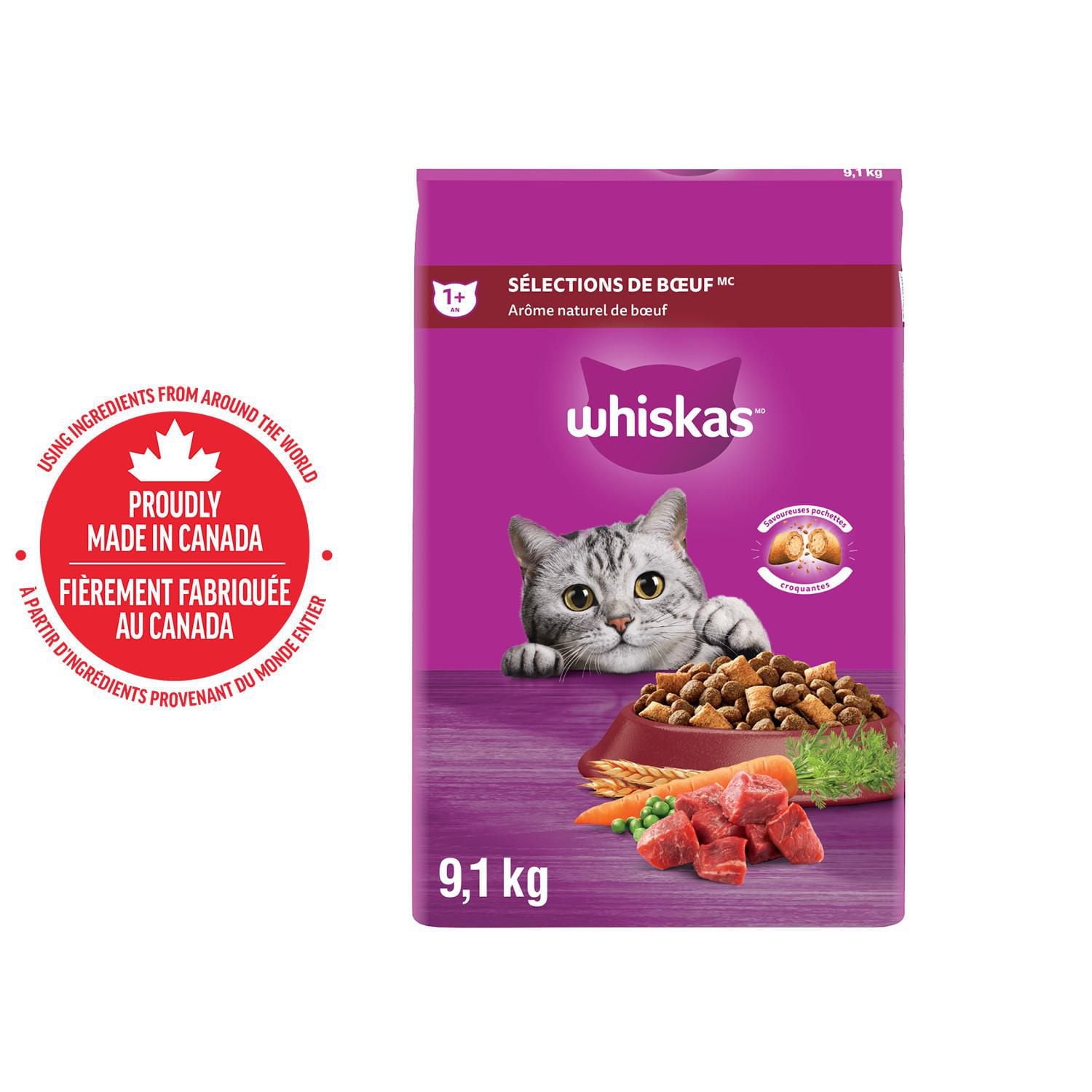
Keep a good supply of cat food at home. Choose foods with balanced nutrients made for cats. Store enough for a few weeks to last through emergencies. Check expiration dates regularly. Rotate stock to keep food fresh. Dry and wet options are useful for variety and different needs.
Planning For Travel And Emergencies
Prepare a travel kit with your cat’s food and essentials. Include water, bowls, and any special treats your cat likes. Pack enough food for the whole trip or emergency period. Plan where to find cat food nearby if you run out. Keep emergency contact numbers for vets and shelters handy.
Consulting Your Veterinarian
Talk to your vet about your cat’s diet and emergency plans. Ask about safe alternatives if cat food is unavailable. Get advice on signs of health problems from wrong food. Keep your vet’s advice handy in case of urgent questions. Regular check-ups help maintain your cat’s health and diet needs.

Credit: www.yahoo.com
Frequently Asked Questions
Can Cats Eat Dog Food Occasionally In Emergencies?
Cats can eat dog food in emergencies, but only short-term. Dog food lacks essential nutrients cats need. Use it briefly until proper cat food is available. Prolonged feeding can cause health issues due to nutritional imbalances.
What Risks Come From Feeding Cats Dog Food?
Feeding cats dog food risks nutrient deficiencies, especially taurine and vitamin A. This can lead to vision problems and heart issues. Dog food has less protein and fat suited for cats. Long-term feeding is unsafe for cat health.
How Often Can Cats Safely Eat Dog Food?
Cats should only eat dog food very rarely, in emergencies. Occasional feeding for a day or two is usually safe. Regular feeding is harmful and can cause malnutrition. Always switch back to cat food as soon as possible.
Why Is Dog Food Not Suitable For Cats?
Dog food lacks essential nutrients like taurine that cats need. Cats require higher protein and fat levels than dogs. Dog food formulas do not meet cats’ unique dietary needs. Feeding dog food to cats regularly can harm their health.
Conclusion
Cats can eat dog food only in rare emergencies. Dog food lacks important nutrients cats need daily. Avoid feeding dog food regularly to keep cats healthy. Always provide cat-specific food for balanced nutrition. Watch your cat closely if dog food is given once.
Contact a vet if you notice any unusual behavior or health issues. Keep cat food stocked to prevent emergency feeding. Proper food helps cats live longer and feel better. Your cat deserves the best care and nutrition every day.