Are you wondering when emergency food stamps will be issued to help you or your family? If you’re facing tough times and need quick support, knowing the timeline can make all the difference.
This article will give you clear, simple answers so you can plan ahead and get the help you deserve without delay. Keep reading to find out exactly when you can expect emergency food stamps and how to make the process smoother for you.
Current Status Of Emergency Food Stamps
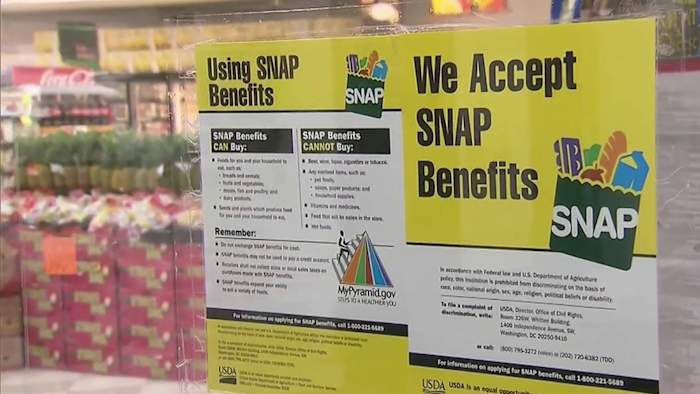
The current status of emergency food stamps is a key concern for many families. Governments and agencies adjust these programs based on need and funding. Updates happen often, reflecting economic and social changes. Understanding the latest information helps people plan and seek help effectively.
Emergency food stamps aim to support people during crises. These may include natural disasters, economic downturns, or public health emergencies. The distribution depends on government decisions and available resources. Staying informed ensures eligible individuals receive aid promptly.
Government Announcements And Updates
Authorities release official statements about emergency food stamp programs. These announcements include eligibility criteria, application periods, and distribution timelines. Monitoring government websites and local news helps people get timely details. Delays or changes in the program are also communicated through these channels.
Eligibility And Application Process
Eligibility rules for emergency food stamps vary by location and situation. Typically, low-income families and individuals facing sudden hardship qualify. Applications may be submitted online, by phone, or in person. Documentation requirements are kept minimal to speed up processing.
Distribution And Delivery Methods
Food stamps can be issued via electronic benefit transfer (EBT) cards or paper vouchers. Some programs send benefits directly to recipients’ accounts. Others require visits to local offices or distribution centers. The method depends on local infrastructure and program design.
Current Challenges Affecting Issuance
Supply chain issues and funding limits can slow down food stamp distribution. High demand during crises may overwhelm local agencies. Staffing shortages and technical problems also impact timely issuance. Efforts continue to improve efficiency and reach all in need.

Credit: www.lasp.org
Eligibility Criteria
Understanding the eligibility criteria for emergency food stamps is crucial if you or someone you know needs immediate assistance. These criteria help determine who qualifies for the program, ensuring that aid reaches those facing sudden financial hardships. Knowing the rules can save you time and stress when applying.
Income Limits
Income is a key factor in qualifying for emergency food stamps. Generally, your household income must fall below a certain threshold based on the federal poverty level. This limit adjusts depending on the size of your family and your state’s specific rules.
If you’ve recently lost a job or faced unexpected expenses, your income might temporarily drop below these limits, making you eligible. Have you checked how your current income compares to your state’s guidelines?
Residency Requirements
To receive emergency food stamps, you usually need to be a resident of the state where you apply. Proof of residency can include utility bills, lease agreements, or official ID cards. This ensures the assistance is provided locally to those who need it most.
Moving to a new area or experiencing homelessness doesn’t automatically disqualify you. Many states have provisions for those without a fixed address, but documentation is still necessary. Could you gather the documents needed to prove your residency?
Citizenship And Immigration Status
Emergency food stamp programs typically require applicants to be U.S. citizens or have certain legal immigration statuses. This helps the program target resources effectively. However, some states offer limited assistance to certain non-citizens during emergencies.
If you’re unsure about your eligibility due to immigration status, contacting your local assistance office can provide clarity. Are you aware of the specific rules that apply to your situation?
Emergency Situations Covered
Not every hardship qualifies for emergency food stamps. Common qualifying events include sudden job loss, natural disasters, or unexpected medical bills. These emergencies disrupt your ability to buy food and create an immediate need for support.
Have you experienced a situation that fits these criteria? Understanding what counts as an emergency can improve your chances of receiving help quickly.
Household Composition
The number of people in your household affects eligibility and benefit amounts. Children, elderly family members, and disabled individuals often increase the likelihood of approval. It’s important to report everyone living in your home when applying.
Do you know how household size impacts your application? Accurate information here can make a significant difference in the support you receive.
Application Process
The application process for emergency food stamps is designed to be quick and straightforward. It helps people in urgent need access food assistance without delays. Understanding the steps can reduce confusion and speed up approval.
Applicants need to provide basic information about their household and income. Documentation may be required to prove eligibility. The process usually involves an interview, which can be done by phone or in person.
Gather Required Documents
- Proof of identity (ID card, driver’s license)
- Proof of income (pay stubs, benefits statements)
- Proof of residence (utility bill, lease agreement)
- Social Security numbers for all household members
- Bank statements or asset information
Complete The Application Form
Applications can be completed online, by mail, or in person. The form asks for details about income, household size, and expenses. Answer all questions clearly and honestly to avoid delays.
Schedule And Attend An Interview
After submitting the application, an interview is usually required. It verifies the information provided and clarifies any questions. Interviews often happen over the phone to save time.
Wait For Approval
Approval times vary by state and caseload. Emergency applications are prioritized, so response is faster. Applicants will be notified by mail or phone about their status.
Credit: futbolete.com
Distribution Timeline
The distribution timeline for emergency food stamps varies depending on the state and the specific emergency situation. Understanding this timeline helps individuals plan and apply for aid promptly.
Emergency food stamps aim to provide quick relief during crises. Agencies work fast but need time to verify applications and process payments.
Application Review Period
After submitting an application, expect a review period of a few days. This step checks eligibility and confirms necessary documents.
Notification Of Approval
Once approved, applicants receive a notification. This message usually arrives within one to two weeks.
Distribution Of Benefits
Benefits are typically loaded onto Electronic Benefit Transfer (EBT) cards. This process happens shortly after approval, often within days.
Factors Affecting Timeline
- State-specific procedures
- Volume of applications
- Nature of the emergency
- Verification requirements
Tips For Faster Processing
- Submit complete and accurate information
- Respond quickly to agency requests
- Use online application portals when available
State-by-state Variations
Emergency food stamps, also known as SNAP emergency benefits, are issued differently across the United States. Each state manages its own program rules and timelines. This means the timing and availability of emergency food stamps vary widely.
Some states act quickly to provide benefits after a disaster or economic crisis. Others may take longer due to administrative processes or funding issues. Knowing how your state handles emergency food stamps helps you prepare and apply on time.
Application Process Differences
States use different methods for applying. Some allow online applications, making the process faster. Others require in-person visits or paper forms. These differences affect how soon benefits arrive.
Timing Of Benefit Issuance
Benefit issuance times vary. Some states issue emergency food stamps within days. Others may take weeks to process applications and distribute funds. This depends on state resources and workload.
Eligibility Criteria Variations
Each state sets its own eligibility rules. Some states have broader criteria during emergencies. Others maintain regular requirements. This affects who can receive emergency food stamps.
Communication And Notification
States differ in notifying applicants. Some send quick alerts by phone or email. Others rely on mail or in-person notices. Fast communication helps applicants get benefits sooner.
Impact Of Local Disasters
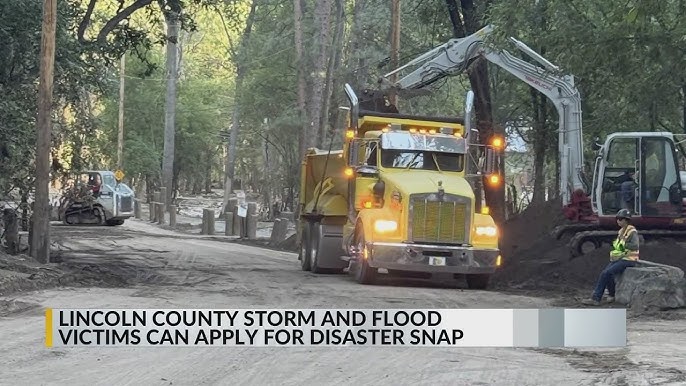
Emergency food stamps often depend on local disaster declarations. States may issue benefits only after official disaster status. This causes variation in timing and availability between states.
Impact On Recipients
Emergency food stamps provide crucial support during tough times. They help families buy food when money is tight. The impact on recipients is significant and goes beyond just groceries.
Receiving emergency food stamps can ease stress and improve health. It gives people peace of mind, knowing their basic needs are met. This support can also help children focus better in school.
Financial Relief For Families
Emergency food stamps reduce the burden on family budgets. Families can spend less on food and more on other essentials. This relief helps prevent debt and financial hardship during emergencies.
Improved Nutrition And Health
Access to food stamps allows recipients to buy healthier food options. Better nutrition supports overall health and well-being. It helps reduce hunger and related health problems.
Emotional And Mental Well-being
Food insecurity causes anxiety and stress. Emergency food stamps provide emotional relief by ensuring food availability. This support improves mental health and family stability.
Support For Vulnerable Populations
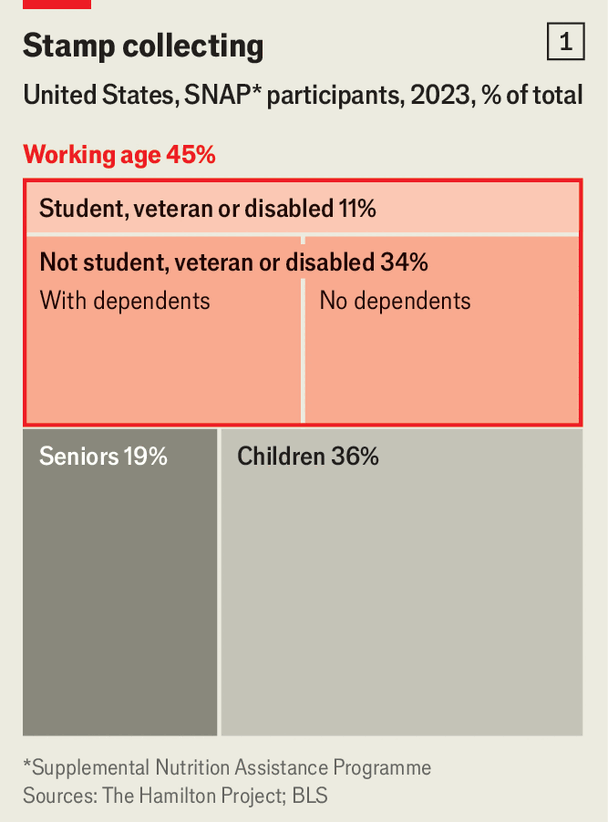
Children, elderly, and disabled people benefit greatly from food stamps. These groups often struggle the most during crises. Emergency assistance helps protect their health and dignity.
Community Impact And Social Stability
Providing food support strengthens community resilience. It reduces the demand on local charities and food banks. Stable families contribute positively to society and local economies.
Government Announcements
The government plays a key role in announcing emergency food stamp programs. These announcements inform the public about when and how benefits will be issued. They come through official channels and provide essential details for those in need.
Paying attention to these updates helps people prepare and apply on time. Understanding government announcements can prevent missed opportunities for assistance.
Official Press Releases
Government agencies release press statements about emergency food stamps. These documents explain eligibility, application dates, and benefit amounts. They appear on official websites and news outlets.
State And Local Government Updates
State and local offices often share tailored information for residents. These updates include local application centers and distribution schedules. They help communities access resources quickly.
Social Media Announcements
Government departments use social media to spread news fast. Twitter, Facebook, and other platforms offer real-time updates. Following these accounts ensures timely information.
Community Outreach Programs
Some announcements come through community centers and nonprofit groups. These programs help spread the word to vulnerable populations. They often provide additional support for applications.

Credit: www.economist.com
Frequently Asked Questions
When Will Emergency Food Stamps Be Distributed?
Emergency food stamps are usually issued within days to weeks after application approval. Timing depends on state processing speed and demand.
How Do I Apply For Emergency Food Stamps Quickly?
You can apply online, by phone, or in person at your local agency for faster processing.
Who Qualifies For Emergency Food Stamps Assistance?
Individuals facing sudden financial hardship, job loss, or disaster impact often qualify for emergency food stamps.
Can I Get Emergency Food Stamps During A Crisis?
Yes, emergency food stamps are designed to help during crises like natural disasters or pandemics.
Conclusion
Emergency food stamps help many families in tough times. The exact dates for issuing vary by state and situation. Stay informed through official local sources for updates. Apply early to avoid delays and secure assistance. Keep your documents ready to speed up the process.
Remember, emergency food stamps provide important support when needed most. Patience and preparation make the process easier. Stay aware and act quickly to get help on time.