Are you wondering if the scorching heat can stop the coronavirus in its tracks? Many people believe that hot weather might make the virus disappear, but is that really true?
Understanding how temperature affects the virus is crucial for keeping yourself and your loved ones safe. Keep reading to discover the facts about coronavirus survival in hot weather—and learn what you need to do no matter the temperature outside.
Credit: abcnews.go.com
Coronavirus And Temperature
Temperature plays a key role in how long the coronavirus can survive outside the human body. Understanding this link helps explain virus spread in different weather conditions. The virus reacts differently to cold and hot environments. This section explores how temperature affects the virus’s stability and lifespan.
Virus Stability In Different Climates
The coronavirus tends to survive longer in cooler, dry climates. Low temperatures slow down the breakdown of the virus’s outer shell. This allows it to remain infectious on surfaces for days. Warm and humid climates reduce the virus’s ability to stay stable. Moisture and heat cause the virus to weaken faster. This is why virus transmission rates can vary by region and season.
Effect Of Heat On Virus Lifespan
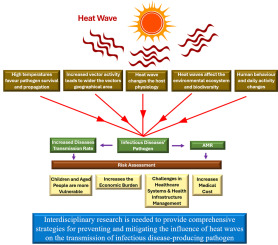
Heat damages the virus’s structure, reducing its lifespan. Temperatures above 86°F (30°C) can quickly deactivate the virus on surfaces. High heat affects the proteins that allow the virus to infect cells. Direct sunlight also helps by breaking down the virus faster. Despite heat’s impact, the virus can still spread in warm areas through close human contact. Staying cautious is essential regardless of the weather.

Credit: health.clevelandclinic.org
Research On Hot Weather Impact
Scientists have studied how hot weather affects the coronavirus. They want to know if heat can stop the virus from spreading. Research shows mixed results. Some studies suggest heat slows the virus down. Others say the virus can still survive in warm places.
Understanding this helps us prepare better. It can guide public health decisions and personal safety measures.
Studies From Tropical Regions
Tropical countries have high temperatures and humidity. Researchers observed COVID-19 cases in these places. Some found the virus spread slower in hot, humid weather. Others saw outbreaks despite the heat.
Factors like crowding and health systems also impact virus spread. Heat alone does not stop the virus completely. It may reduce the virus’s survival time outdoors.
Laboratory Findings On Heat Exposure
Lab tests expose the virus to different temperatures. They show the virus survives longer in cool conditions. Heat above 30°C can reduce virus viability. But the virus does not die instantly at these temperatures.
Virus particles degrade faster with heat and sunlight. Still, the virus can remain infectious for hours. Surface type and humidity also affect survival time.
Myths About Heat Killing The Virus
Many believe that hot weather can stop the coronavirus. This idea spread quickly during the pandemic. People hoped summer heat would end the virus’s spread. Myths like these caused confusion and false security.
Common Misconceptions
Some think heat alone kills the coronavirus instantly. Others believe the virus cannot survive above certain temperatures. Some assume hot climates are safe from COVID-19. These are not true.
The virus can survive in warm places. It spreads in countries with hot weather too. Heat may weaken the virus over time but does not stop transmission.
Why Heat Alone Isn’t Enough
Heat does not destroy the virus quickly. The coronavirus survives on surfaces and in air for hours. Human contact spreads the virus regardless of temperature.
Effective prevention needs more than hot weather. Wearing masks, social distancing, and handwashing protect best. Relying on heat alone puts people at risk.
Preventive Measures In Warm Climates
Warm weather does not stop the spread of coronavirus. Preventive steps remain crucial in these climates. Taking simple actions can protect you and others. These measures help reduce infection risks even under the sun.
Importance Of Hygiene And Masks
Clean hands break the virus’s path. Wash hands often with soap for at least 20 seconds. Use hand sanitizer if soap is not nearby. Avoid touching your face with unwashed hands. Masks cover your nose and mouth, blocking droplets. Wearing masks in crowded places lowers spread chances. Choose masks that fit well and cover properly.
Social Distancing Practices
Keep a safe distance from others. Stay at least six feet apart in public areas. Avoid large gatherings and crowded spots. Outdoor spaces are safer than indoors but maintain distance. Limit close contact with people outside your household. Physical space reduces virus transmission through the air and surfaces.
Seasonal Patterns And Future Outlook
Understanding how coronavirus behaves through different seasons helps predict its spread. Seasonal changes affect virus survival and human activities. This knowledge guides future health strategies and public responses.
Virus Behavior Across Seasons
Coronavirus shows some variation in activity with seasons. Cooler months often see more cases due to closer indoor contact. Hot weather may reduce virus survival on surfaces but does not stop transmission. Sunlight and higher temperatures can weaken the virus outside the body. Still, people gather indoors with air conditioning in hot weather, aiding spread.
Implications For Public Health Policies
Health policies must adapt to seasonal patterns of virus spread. Authorities should not rely only on warm weather to control outbreaks. Preventive measures like mask-wearing and social distancing remain vital year-round. Vaccination campaigns should continue regardless of season. Public messaging must stress consistent caution during all weather conditions.

Credit: www.cbc.ca
Frequently Asked Questions
Can Coronavirus Survive In Hot Weather Conditions?
Yes, coronavirus can survive in hot weather but may have reduced stability. High temperatures alone do not eliminate the virus. It’s important to maintain hygiene and safety measures regardless of climate.
Does Heat Reduce Coronavirus Transmission Risk?
Heat alone does not significantly reduce coronavirus spread. The virus primarily spreads through respiratory droplets and close contact. Wearing masks and social distancing remain essential, even in hot weather.
What Temperature Kills Coronavirus Effectively?
Coronavirus is inactivated at temperatures above 56°C (132. 8°F) sustained for 30 minutes. Normal outdoor temperatures are usually insufficient to kill the virus. Proper disinfection and hygiene are necessary to prevent infection.
Can Summer Stop The Coronavirus Pandemic?
Summer alone cannot stop the pandemic. While UV rays and heat may reduce virus survival time, human behavior and preventive measures determine spread. Vaccination and safety protocols are crucial for control.
Conclusion
Hot weather might not stop coronavirus entirely. The virus can still spread. Following health guidelines remains crucial. Washing hands and wearing masks help protect everyone. Social distancing reduces transmission risk. Vaccination offers strong protection against severe illness. Understanding virus behavior aids safety efforts.
Stay informed with reliable sources. Protecting each other is a shared responsibility. Let’s keep working together to stay safe.