If you raise ducks on your farm, you might be worried about how they handle cold weather. Can your feathered friends stay healthy and comfortable when temperatures drop?
Understanding how farm ducks survive cold weather is key to keeping them safe and thriving through winter. You’ll discover simple tips and important facts that will help you protect your ducks from the chill. Keep reading to learn what your ducks need to brave the cold—and how you can make sure they do just that.

Credit: www.dustyandotterduck.com
Cold Weather Challenges
Cold weather presents real challenges for farm ducks. Understanding these challenges helps you create a safer environment for your flock during winter. Ducks are hardy birds, but harsh conditions can test their limits.
Impact On Duck Health
Cold temperatures can stress your ducks, lowering their immune response. This makes them more prone to illnesses like respiratory infections or frostbite. Ducks’ feet and combs are especially vulnerable to freezing.
Have you noticed changes in your ducks’ behavior during cold snaps? They may huddle more or reduce movement to conserve heat. Limited activity can affect their feeding habits and overall vitality.
Common Risks In Winter
- Frozen water sources:Ducks need constant access to fresh water. Ice can block their drinking supply quickly.
- Wet and muddy conditions:These increase the risk of foot infections and make it hard for ducks to stay dry.
- Predators:Cold weather may drive predators closer to your ducks seeking easy prey.
What steps do you take to keep water unfrozen and your ducks dry? Small adjustments in your daily care routine can prevent many winter problems.
Ducks’ Natural Adaptations
Ducks have evolved several natural adaptations that help them survive in cold weather. These adaptations allow them to maintain body heat and stay active even when temperatures drop. Understanding these traits can help you better care for your farm ducks during winter.
Feather Insulation
Ducks have a special layer of feathers designed to keep them warm. Their outer feathers repel water, while the inner down feathers trap heat close to their bodies. This combination creates a natural insulation system that protects them from chilly winds and icy water.
Have you noticed how ducks preen themselves often? This behavior spreads natural oils over their feathers, enhancing water resistance and warmth. If you want your ducks to stay comfortable, make sure they have access to water for preening even in cold weather.
Behavioral Adjustments
Ducks change their behavior to manage cold conditions effectively. They often tuck their bills under their wings to conserve heat and reduce exposure to the cold air. You might also see them huddle together at night, sharing body warmth.
Providing a sheltered space can support these natural behaviors and help your ducks stay warm. Have you tried adding straw or hay bedding to their coop? It offers extra insulation and encourages ducks to rest comfortably during freezing nights.
Proper Housing For Cold
Providing proper housing for your farm ducks during cold weather is essential to keep them healthy and comfortable. Ducks are tough birds, but without the right shelter, extreme cold can quickly lead to illness or stress. Your goal is to create a space that shields them from wind, moisture, and freezing temperatures while allowing fresh air to circulate.
Shelter Design
Your duck shelter should be sturdy and well-insulated. Use materials like wood or plastic panels that block cold drafts but still provide enough light during the day. Make sure the roof is waterproof to keep rain and snow out.
Think about the size of the shelter. It should be big enough for all your ducks to move comfortably but small enough to trap their body heat. Adding a windbreak on the side facing prevailing winds can make a big difference in keeping the cold out.
Bedding And Ventilation
Bedding plays a crucial role in warmth. Use thick layers of straw or wood shavings to create a soft, dry floor where ducks can nestle. Change the bedding regularly to prevent dampness, which can cause chills and respiratory problems.
Ventilation might seem counterintuitive in cold weather, but it’s necessary to avoid moisture buildup. Proper airflow reduces ammonia from droppings and keeps the air fresh without letting in cold drafts. Position vents high up on the shelter walls to allow warm, moist air to escape while keeping the lower area cozy.
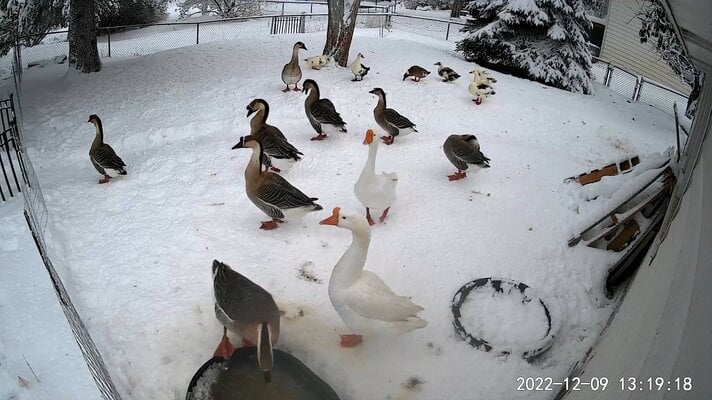
Credit: www.backyardchickens.com
Feeding And Watering Tips
Feeding and watering farm ducks in cold weather needs special care. Ducks require more energy to stay warm during winter. Proper feeding helps them keep their body heat. Water is equally important, but it can freeze fast in low temperatures. Keeping their water supply liquid is vital for their health. Follow these tips to support your ducks through winter.
Winter Diet Changes
Ducks need more calories in cold weather. Add grains like corn or wheat to their diet. These grains provide extra energy to maintain body heat. Include vegetables such as kale and spinach for vitamins. Protein sources like mealworms or cooked eggs help with feather health. Avoid feeding ducks only bread, as it lacks nutrients.
- Increase feed quantity by 20-30% during cold months
- Provide warm meals to aid digestion
- Offer fresh greens for vitamin intake
- Ensure constant access to clean feed
Preventing Water Freezing
Ducks need water to eat and stay hydrated. Frozen water can cause dehydration and health issues. Use heated water bowls to keep water liquid. Change water frequently to avoid ice buildup. Place water containers in sheltered spots to reduce freezing. Adding a small amount of warm water can help melt ice.
- Use insulated or heated waterers designed for winter
- Check water supply several times daily
- Clear ice immediately to keep water accessible
- Consider using a water heater or heated base
Health Monitoring In Winter
Monitoring the health of farm ducks during winter is vital for their survival. Cold weather can cause stress and illness. Careful observation helps catch problems early. Healthy ducks stay active, eat well, and keep warm naturally. Watch for changes in behavior or appearance. Quick action can prevent serious health issues.
Signs Of Cold Stress
- Ducks shivering or huddling together often
- Feathers fluffed up to keep heat
- Reduced activity or reluctance to move
- Loss of appetite or less water intake
- Swollen feet or legs, showing frostbite
- Labored breathing or wheezing sounds
- Drooping wings or lethargy
Preventing Illness
Keep duck housing dry and draft-free. Wet conditions lower body temperature quickly. Provide clean, fresh water that does not freeze. Feed ducks high-quality, nutritious food to boost immunity. Add extra calories during cold spells. Offer shelter with bedding to retain warmth. Check ducks daily for any health changes. Isolate sick ducks to avoid spreading disease.
Credit: pethelpful.com
Additional Warmth Strategies
Keeping your farm ducks warm during cold weather requires more than just a cozy shelter. Additional warmth strategies can make a big difference in their comfort and survival. Let’s look at some practical ways to provide extra heat that you can easily manage on your farm.
Heat Lamps And Pads
Heat lamps are a popular option to provide direct warmth. Place them safely above the ducks’ resting area, ensuring they can move away if it gets too hot. Be careful to use lamps designed for animal use to prevent fire hazards.
Heat pads offer a gentler, consistent heat source. You can place these pads under bedding or inside nesting boxes. Ducks often enjoy resting on warm surfaces, which helps maintain their body temperature without overheating.
Have you checked the wattage of your heat lamps? Lower wattage bulbs can prevent overheating while still providing enough warmth during chilly nights.
Grouping For Warmth
Ducks naturally huddle together to share body heat. Encourage this by providing enough space for them to group comfortably. Overcrowding, however, can stress them and reduce airflow, so balance is key.
Consider arranging their shelter so ducks have cozy corners to gather in. Adding windbreaks inside the coop can help block drafts, allowing the group to retain warmth better.
Have you noticed how your ducks behave when temperatures drop? Observing their grouping habits can tell you if they need more space or additional warmth sources.
Frequently Asked Questions
How Do Ducks Stay Warm In Cold Weather?
Ducks have dense feathers and a layer of fat for insulation. Their unique circulatory system minimizes heat loss. Ducks also huddle together to conserve warmth. These adaptations help them survive cold weather conditions effectively.
What Temperature Is Too Cold For Ducks?
Ducks can tolerate temperatures as low as 20°F (-6°C). However, they need shelter and dry bedding to stay comfortable. Extreme cold requires additional protection, like windbreaks or heat lamps.
Do Ducks Need Shelter In Winter?
Yes, ducks benefit from shelter during winter. A dry, draft-free shelter protects them from wind and snow. Ensure adequate ventilation to prevent moisture buildup. Proper shelter helps maintain their health in cold weather.
Can Ducks Get Frostbite In Winter?
Ducks can get frostbite, especially on their feet and bills. Providing dry bedding and keeping them off icy surfaces helps prevent frostbite. Regularly check for signs of frostbite to ensure their well-being.
Conclusion
Farm ducks handle cold weather better than many animals. Their feathers keep them warm and dry. Still, they need shelter from wind and wet conditions. Fresh water should not freeze, so check it often. Providing good food helps them stay healthy in winter.
Watch for signs of stress or illness. With proper care, ducks can thrive through cold seasons. Winter challenges are real, but manageable with simple steps. Keep your ducks safe, warm, and happy all year.