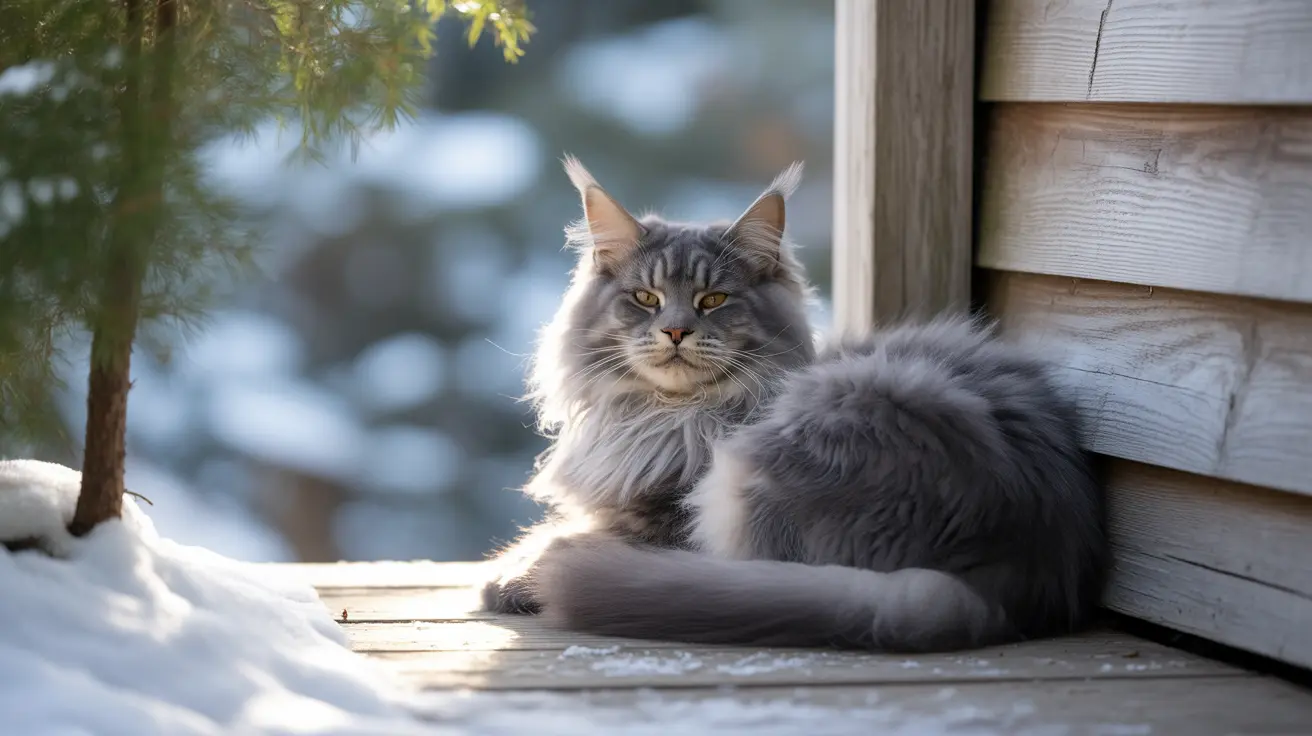
Have you ever wondered if your indoor cat can handle chilly weather? When temperatures drop, you might worry about your furry friend’s comfort and safety.
It’s natural to ask: Can indoor cats survive in cold weather? Understanding how cold affects your cat and what you can do to keep them warm is crucial. Keep reading to discover the simple steps that will help protect your cat from the cold and ensure they stay happy and healthy all winter long.
Indoor Cats And Cold Weather Risks
Indoor cats usually stay safe from cold weather, but risks still exist. Homes can get chilly, especially during winter nights or power outages. Cats might not show discomfort right away. Owners must watch closely for signs of cold stress in their pets.
Cold weather can affect indoor cats’ health in many ways. Their body temperature can drop if they spend time near open windows or doors. Some cats have thinner fur, which makes them more vulnerable. Even inside, low temperatures can cause health problems.
Effects Of Cold On Indoor Cats
Cold can slow a cat’s metabolism, making them less active. Their muscles might stiffen, causing discomfort. Cats may seek warm spots more often or curl up tightly. Prolonged cold exposure weakens their immune system. This makes it harder to fight infections.
Common Health Issues From Cold Exposure
- Hypothermia – dangerous drop in body temperature
- Frostbite – damage to ears, paws, and tail
- Respiratory infections – coughing, sneezing, breathing trouble
- Arthritis flare-ups – joint pain and stiffness
- Weakened immune response – more illnesses
Preparing Your Home For Cold Seasons
Preparing your home for cold seasons is essential to keep your indoor cat comfortable and healthy. Cats can struggle with low temperatures just like we do, especially since they rely on you to create a safe environment. Making small changes around your home can make a big difference in how your cat experiences the cold months.
Safe Warm Spots For Cats
Identify cozy areas where your cat can retreat when they feel chilly. Cats love elevated spaces like window sills or shelves near heaters because these spots trap warmth. You can add soft blankets or cushioned beds to these areas to make them even more inviting.
Think about placing beds in quieter corners away from drafts. Sometimes, a simple box lined with fleece can become your cat’s favorite warm spot. Have you noticed your cat seeking out unusual places during winter? That’s a sign to create more dedicated warm zones.
Temperature Control Tips
Maintaining a steady indoor temperature between 65°F and 75°F helps your cat stay comfortable. Avoid sudden drops in temperature by sealing windows and doors properly. Using draft stoppers can prevent cold air from sneaking in around the edges.
Consider using a programmable thermostat to keep the temperature consistent, especially if you’re away during the day. Cats are sensitive to cold, and even a few degrees can impact their well-being. How stable is your home’s temperature during winter?
Using Heating Pads And Blankets
Heating pads designed for pets provide gentle warmth and are a great way to keep your cat cozy. Always choose pads with automatic shut-off features to avoid overheating. Place the pad under a blanket or inside a cat bed to distribute heat evenly and safely.
Electric blankets can also be used, but make sure they’re pet-safe and monitored regularly. Never leave your cat unattended with heating devices without supervision. Have you tried heated bedding for your cat during cold nights? It might change how your cat feels about winter indoors.
Nutrition And Hydration In Winter
Nutrition and hydration play a crucial role in keeping your indoor cat healthy during the cold months. Just like humans, cats need the right balance of nutrients and enough water to maintain their energy and body warmth. Understanding how to adjust their diet and encourage proper hydration can make a big difference in their winter well-being.
Adjusting Diet For Cold Weather
Cold weather can increase your cat’s energy needs. Their body works harder to stay warm, so they may benefit from a diet with higher calories. You might notice your cat asking for more food or seeming more active—this can be a sign they need extra fuel.
Try adding wet food or high-protein snacks to their meals. Protein helps maintain muscle mass and keeps your cat feeling full longer. Avoid overfeeding though; monitor their weight and adjust portions carefully.
Have you observed changes in your cat’s appetite during winter? If so, it could be a natural response to the cold, signaling a need for dietary tweaks.
Importance Of Water Intake
Water is just as important in winter as it is in summer. Indoor heating can dry out the air, which may cause your cat to drink less. Dehydration can lead to urinary problems, especially in colder months.
Encourage water intake by placing fresh water bowls in multiple spots around your home. Consider using a cat water fountain—many cats prefer running water, which can stimulate drinking.
You can also increase hydration through diet by offering more wet food. It contains a high percentage of water and helps maintain fluid balance. Have you checked if your cat’s water bowl is clean and inviting? Sometimes a simple change makes all the difference.
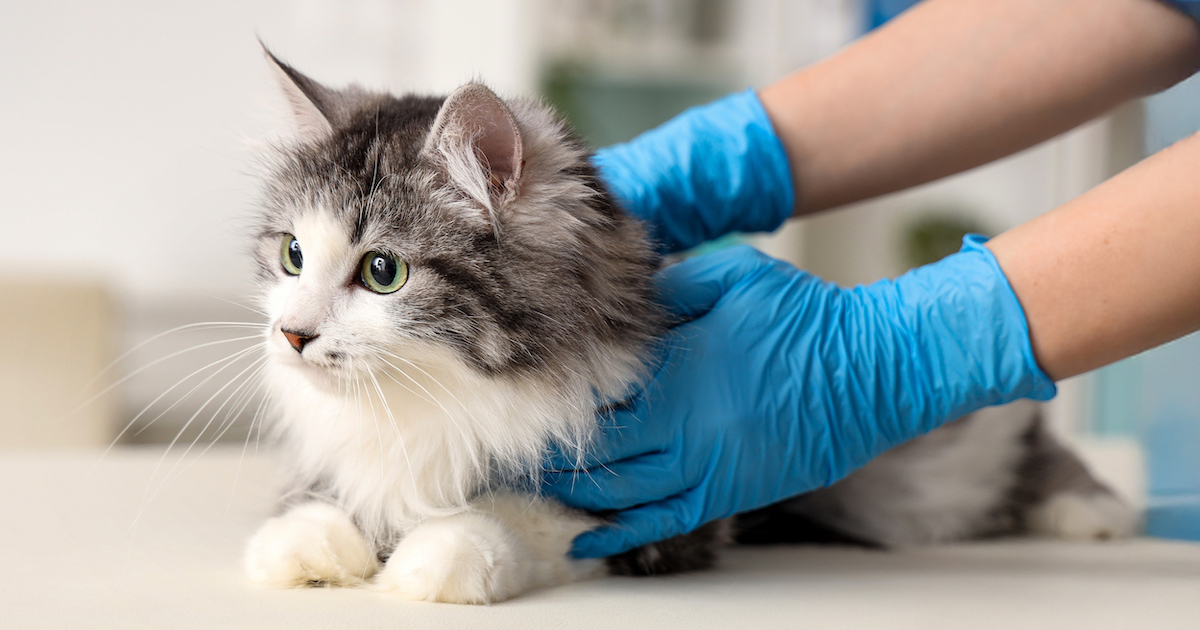
Credit: www.diamondpet.com
Outdoor Exposure Considerations
Considering outdoor exposure for indoor cats during cold weather requires careful thought. Cats used to indoor comfort might not handle sudden outdoor chills well. You need to balance their curiosity and safety, especially when the temperature drops.
When To Allow Outdoor Access
Think about your cat’s health and behavior before letting them outside. If your cat is young, healthy, and used to brief outdoor visits, supervised outings on mild days might be okay. Avoid outdoor time during freezing temperatures or harsh weather conditions.
Watch how your cat reacts to cold air near doorways or windows. If they seem stressed or reluctant, it’s a sign to keep them indoors. Also, consider your neighborhood’s safety—busy roads or predators can add risks in winter.
Safe Outdoor Shelter Options
If you decide your cat can spend time outside, provide a warm, dry shelter. A small insulated cat house with soft bedding can protect them from wind and frost. Position it in a quiet, sheltered spot away from direct snow or rain.
Think about adding a heated pad designed for pets, which can make a big difference in cold weather. Make sure the shelter is easy to access and check it regularly to keep it clean and cozy. Could your cat find this shelter comfortable enough to choose it over risky spots?
Recognizing Signs Of Cold Stress
Indoor cats are not used to cold temperatures. Their bodies can feel stress from the cold. Recognizing signs of cold stress helps keep cats safe and healthy. Early detection stops serious health problems.
Cats cannot tell us when they feel cold. Watching their body and actions helps spot problems. Signs of cold stress can be subtle or clear. Knowing these signs helps you act fast.
Symptoms Of Hypothermia
- Shivering or trembling
- Slow or weak pulse
- Cold, pale ears and paws
- Low body temperature below 99°F (37°C)
- Weakness or difficulty moving
- Slow, shallow breathing
- Lethargy or unresponsiveness
- Stiff muscles or difficulty standing
Behavioral Changes To Watch For
- Hiding in warm spots more than usual
- Less activity or playfulness
- Refusing to eat or drink
- Seeking warmth near heaters or blankets
- Excessive curling or tucking of body
- Increased vocalizing or whining
- Restlessness or pacing
Credit: ahconnects.org
Emergency Preparedness For Cold Weather
Preparing for cold weather is vital to keep indoor cats safe and warm. Sudden drops in temperature can harm your cat’s health. Knowing how to respond in emergencies helps protect your pet. Create a plan to handle cold weather risks effectively.
First Aid For Cold-related Issues
Signs of cold stress include shivering, lethargy, and pale gums. Act quickly to warm your cat using blankets or warm water bottles wrapped in towels. Avoid direct heat sources to prevent burns. Keep your cat in a warm, dry area. Monitor breathing and heart rate carefully. If frostbite occurs, gently warm the affected areas without rubbing.
When To Contact A Veterinarian
Seek veterinary help if your cat:
- Shows persistent shivering or weakness
- Has difficulty breathing or rapid pulse
- Develops frostbite or swollen limbs
- Refuses to eat or drink for more than 12 hours
Early treatment reduces risks and speeds recovery. Always have your vet’s contact information ready during cold months.
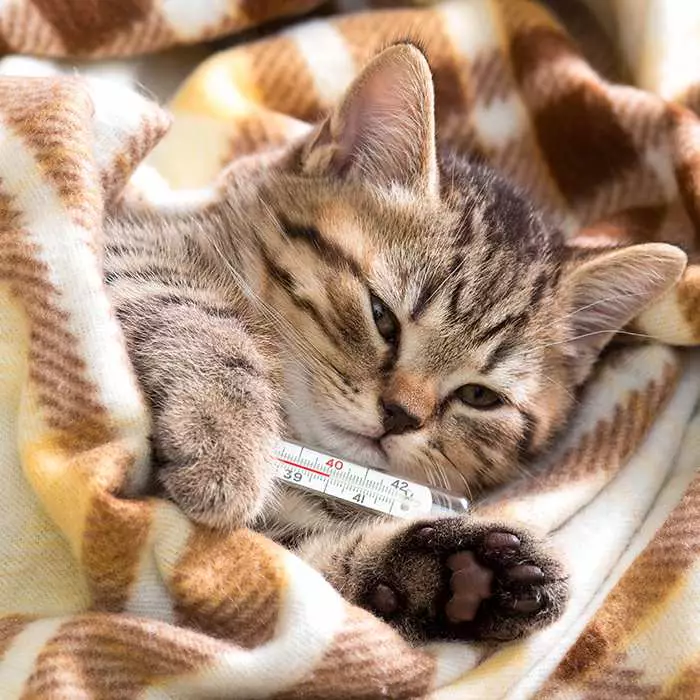
Credit: bowwowinsurance.com.au
Frequently Asked Questions
Can Indoor Cats Tolerate Cold Temperatures?
Indoor cats can generally handle mild cold but may struggle in extreme cold. Providing warm bedding and maintaining a comfortable home temperature is essential. Cats are sensitive to cold, so ensure they have cozy spots to retreat to. Monitor their behavior for signs of discomfort, such as shivering.
How To Keep Indoor Cats Warm In Winter?
To keep indoor cats warm in winter, provide heated beds or blankets. Ensure their sleeping area is draft-free and well-insulated. Regularly check windows and doors for cold air leaks. Encourage them to stay active indoors to generate body heat. Consider using cat-safe space heaters if necessary.
Do Indoor Cats Need Extra Food In Winter?
Indoor cats generally don’t need extra food in winter. However, if your home is colder, they might burn more calories. Monitor their weight and adjust their diet if necessary. Maintain a balanced diet with high-quality cat food to ensure they get the nutrients they need.
Should I Let My Indoor Cat Outside In Cold Weather?
It’s best not to let indoor cats outside in cold weather. They may not be accustomed to harsh conditions and could face dangers like frostbite. Instead, create an enriching indoor environment with toys and activities. If you must take them outside, ensure it’s brief and under supervision.
Conclusion
Indoor cats can stay safe and warm in cold weather with care. Keep their space cozy and avoid drafts. Provide soft bedding and extra blankets for comfort. Monitor their behavior for signs of cold stress. Offer plenty of food and fresh water daily.
Regular check-ups ensure they stay healthy through winter. Small steps make a big difference for your pet’s safety. Cold weather doesn’t have to harm indoor cats. Just keep them warm and loved all season.