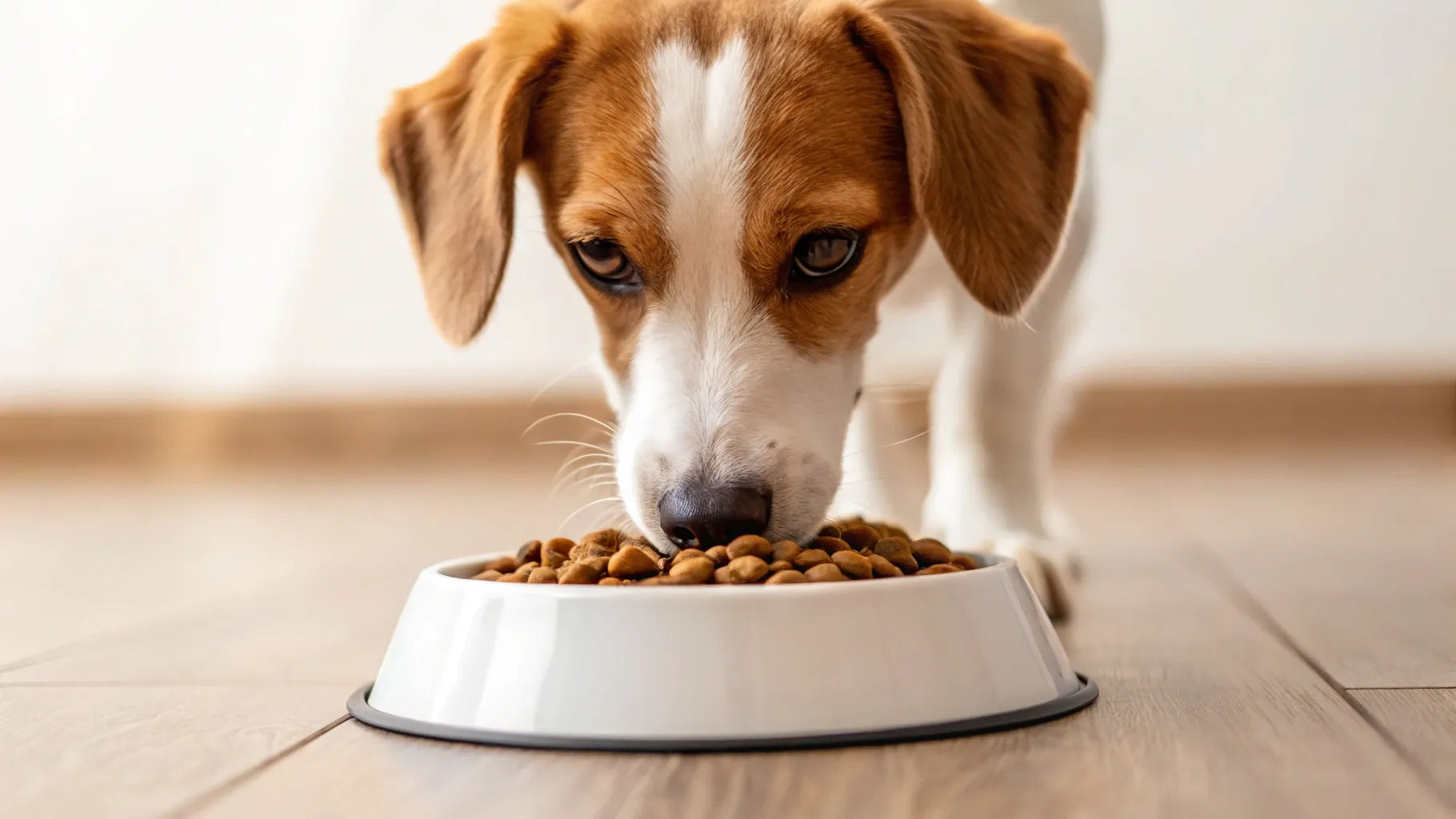
Have you ever found yourself wondering, “Can I feed my dog cat food in an emergency?” Maybe you ran out of dog food, or your furry friend refused their usual meal. It’s a question many pet owners face, and the answer isn’t as simple as you might think.
Your dog’s health depends on the right nutrition, so before you reach for that cat food, it’s important to understand what could happen. Keep reading to discover what feeding cat food to your dog really means, when it might be okay, and what risks you need to watch out for.
Your dog’s well-being is worth knowing the facts.
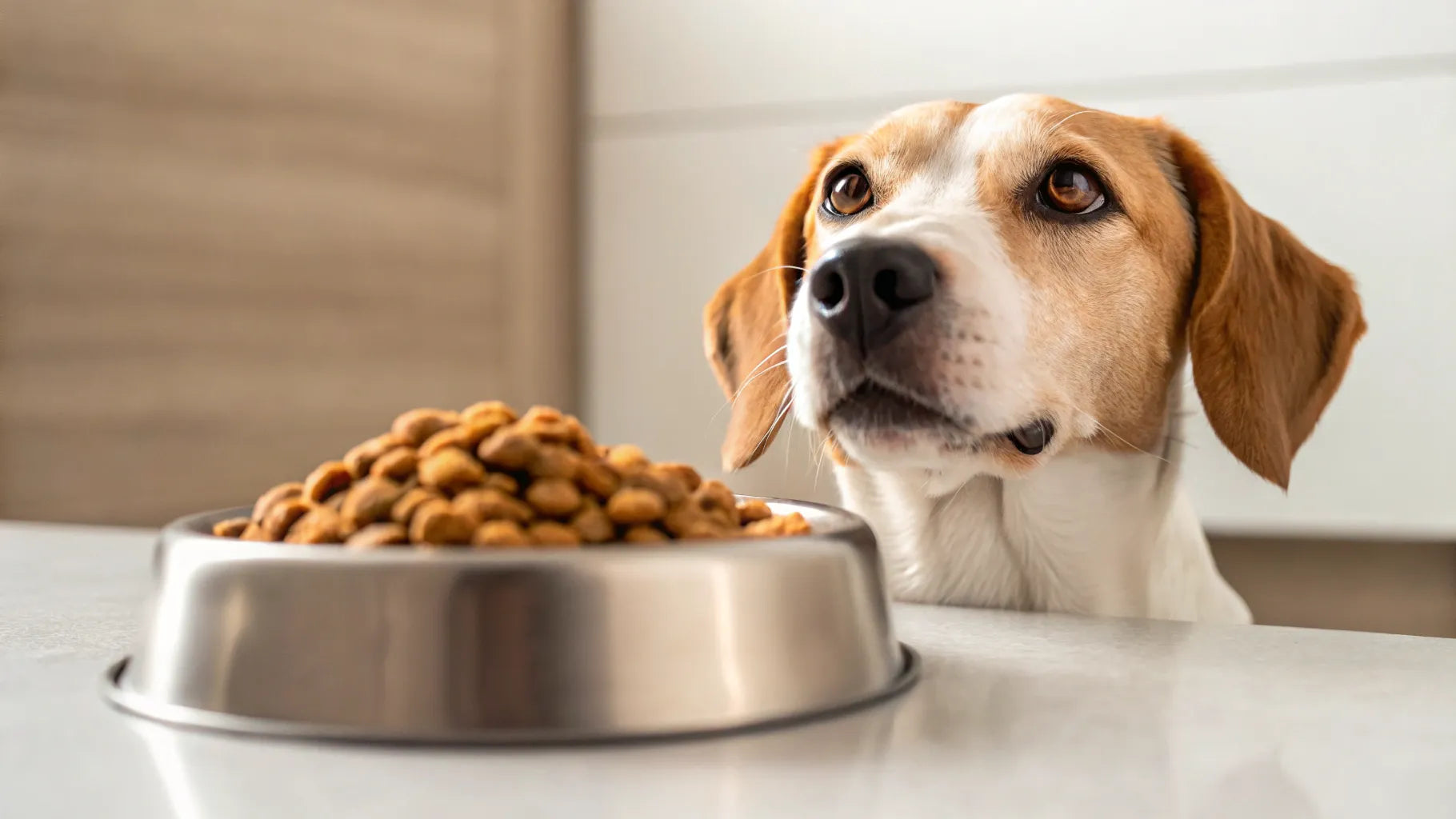
Credit: www.houndsy.com
Differences Between Dog And Cat Food
Understanding the differences between dog and cat food is essential before deciding to feed your dog cat food in an emergency. Both animals have unique dietary needs shaped by their biology. Feeding the wrong food regularly can lead to health problems, but knowing what separates their diets helps you make safer choices when you have limited options.
Nutritional Needs Of Dogs
Dogs are omnivores, meaning they need a balanced diet of proteins, fats, carbohydrates, vitamins, and minerals. Their food typically contains moderate protein levels and more fiber compared to cat food. Dogs can digest grains and vegetables better, so their food includes these ingredients to support digestion and energy.
Unlike cats, dogs don’t require certain nutrients like taurine or arachidonic acid in their diet because their bodies can produce these naturally. This difference means cat food has higher amounts of some nutrients that dogs don’t necessarily need. Feeding your dog cat food regularly might overload them with these nutrients, causing health issues over time.
Nutritional Needs Of Cats
Cats are obligate carnivores, which means they must eat meat to survive. Their diet demands higher protein and fat levels to meet their energy and health requirements. They also need specific nutrients such as taurine, arginine, vitamin A, and arachidonic acid, which are found mostly in animal tissues.
Because cats can’t make these nutrients themselves, their food must contain them in sufficient amounts. If a cat misses out on these essentials, even for a short time, it can lead to serious health problems like heart disease or vision loss. This strict nutritional requirement is why cat food is formulated very differently from dog food.
Ingredients In Cat Food
Cat food ingredients reflect their carnivorous needs. You’ll often see higher percentages of real meat, animal fats, and organs listed on the label. Ingredients such as chicken liver, fish oil, and poultry by-products provide the necessary vitamins and amino acids cats can’t get from plants.
Cat food also tends to have fewer carbohydrates since cats don’t digest starches well. Some brands add synthetic taurine to ensure cats get enough of this vital amino acid. If you look closely at dog food, you’ll find more grains, vegetables, and fillers that wouldn’t meet a cat’s nutritional demands.
Risks Of Feeding Dogs Cat Food
Feeding your dog cat food in an emergency might seem like a quick fix, but it carries certain risks you should be aware of. Cat food is designed to meet the nutritional needs of cats, which differ significantly from those of dogs. Understanding these risks can help you make better decisions for your pet’s health, especially when options are limited.
Potential Health Issues
Cat food contains higher levels of protein and fat compared to dog food. This can overwhelm your dog’s digestive system and lead to upset stomach or diarrhea.
Additionally, cat food lacks certain nutrients essential for dogs, such as adequate fiber and specific vitamins. Feeding it regularly may cause nutritional imbalances that harm your dog’s overall health.
Short-term Effects
If your dog eats cat food once or twice, the immediate impact may be mild. You might notice vomiting, loose stools, or increased thirst.
Some dogs can also develop pancreatitis, a painful inflammation of the pancreas triggered by high fat intake. If your dog shows signs of abdominal pain or lethargy after eating cat food, seek veterinary advice promptly.
Long-term Consequences
Regularly feeding cat food to your dog can lead to obesity due to its rich calorie content. Over time, excess weight strains your dog’s joints and organs.
There’s also a risk of developing chronic digestive problems or nutrient deficiencies. Could a quick emergency choice turn into costly health issues down the road?
When Is It Okay To Feed Cat Food To Dogs?
Wondering if you can feed your dog cat food in an emergency? The answer isn’t a simple yes or no. It depends on the situation and how you manage the feeding. Let’s break down when it might be okay and what you should watch out for.
Emergency Situations
Picture this: You’re out of dog food, and the nearest store is closed. Your dog is hungry, and you only have cat food at home. In such cases, feeding cat food once won’t harm your dog immediately.
Cat food is richer in protein and fat, designed for cats, which have different nutritional needs. So, it’s okay for a short time if you’re in a pinch, but it shouldn’t become a regular diet for your dog.
Amount And Frequency Guidelines
Keep the amount small. A few bites to tide your dog over until you get proper dog food is fine. Avoid feeding large quantities as cat food’s high fat content can upset your dog’s stomach.
Limit feeding cat food to a single emergency meal. Repeated feeding can lead to digestive issues or even pancreatitis, a painful inflammation of the pancreas. Always return to dog food as soon as you can.
Monitoring Your Dog’s Reaction
After feeding cat food, watch your dog closely. Look for signs like vomiting, diarrhea, or lethargy. These symptoms mean your dog might be having trouble digesting the richer food.
Every dog reacts differently. Some may tolerate a small amount without issues, while others might get sick. If you notice any problems, contact your vet immediately and switch back to dog food.
Safe Alternatives To Cat Food
In emergencies, feeding a dog cat food is not ideal. Dogs need different nutrients than cats. Finding safe alternatives helps keep your dog healthy until regular food is available. Some human foods and temporary substitutes can work well for short periods. Hydration also plays a key role in your dog’s well-being during such times.
Human Foods That Are Safe
Certain human foods can serve as safe dog snacks or meals briefly. Choose plain, cooked items without seasoning or harmful ingredients.
- Boiled chicken or turkey (skinless, no bones)
- Plain cooked rice or pasta
- Carrots, green beans, or peas (steamed or raw)
- Plain scrambled eggs
- Small amounts of cottage cheese or plain yogurt
Avoid onions, garlic, chocolate, grapes, and anything salty or spicy.
Temporary Dog Food Substitutes
When dog food is unavailable, use these substitutes for a short time only. They provide necessary energy and nutrients temporarily.
- Canned pumpkin (no added sugar or spices)
- Oatmeal cooked in water
- Mashed sweet potatoes
- Lean ground beef, cooked thoroughly
Keep portions small and monitor your dog’s digestion closely.
Hydration Tips
Water is crucial during emergencies. Always keep fresh water accessible to your dog.
- Offer water frequently in small amounts
- Add a splash of low-sodium broth to encourage drinking
- Check water bowls regularly to keep them clean
- Watch for signs of dehydration such as dry gums or lethargy
Hydration supports digestion and overall health, especially when food changes.
How To Transition Back To Dog Food
Switching your dog back to its regular food after an emergency feeding of cat food needs care and patience. A sudden change can upset your dog’s stomach or cause them to refuse their meals. Planning a smooth transition helps keep your dog comfortable and happy.
Gradual Food Change Methods
Start by mixing a small amount of dog food into the cat food your dog has been eating. Gradually increase the dog food portion while decreasing the cat food over several days. This slow change helps your dog’s digestive system adjust without shock.
Try a schedule like this:
| Day | Dog Food | Cat Food |
|---|---|---|
| 1-2 | 25% | 75% |
| 3-4 | 50% | 50% |
| 5-6 | 75% | 25% |
| 7 | 100% | 0% |
Keep an eye on your dog’s appetite during this time. If they refuse the new mix, slow down the transition and give them more time to adjust.
Signs Of Digestive Upset
Watch for signs like diarrhea, vomiting, or excessive gas. These symptoms might mean your dog’s stomach is struggling with the new food. Also, note if your dog seems lethargic or shows a loss of appetite.
Some dogs might have mild stomach upset during the switch, but serious or ongoing symptoms require attention. Have you noticed any unusual behavior or digestion issues after feeding different food? Early observation can prevent bigger problems.
When To Consult A Vet
If your dog experiences vomiting or diarrhea for more than 24 hours, contact your vet. Persistent digestive issues or signs of dehydration need professional help fast. Also, if your dog refuses to eat or seems very weak, don’t wait to get advice.
Sometimes, a vet may recommend special diets or medication to help your dog recover. Asking a professional ensures your dog stays healthy and gets the right care during this transition.
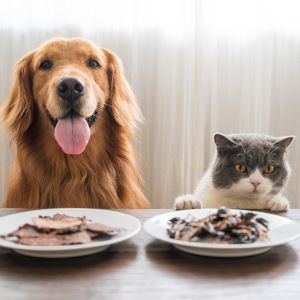
Credit: bowwowinsurance.com.au
Preventing Future Emergencies
Emergencies catch us off guard, and feeding your dog cat food might seem like a quick fix. But how can you avoid these situations altogether? Preparing ahead makes a huge difference in keeping your pet safe and healthy.
Stocking Proper Pet Food
Keep a small reserve of your dog’s regular food at home. Rotate this stock so it stays fresh and usable. This simple habit prevents last-minute scrambling and ensures your dog always has the right nutrition available.
Think about how often you shop for pet supplies. Could buying an extra bag or two during each trip save you from future panic? It’s a small effort that pays off big when time is tight.
Emergency Preparedness Tips
Have a pet emergency kit ready with essentials like food, water, bowls, and medications. Store it somewhere accessible so you can grab it quickly when needed. This kit can be a lifesaver during power outages, natural disasters, or unexpected delays.
Also, create a contact list with your vet, nearby pet-friendly shelters, and pet sitters. Knowing who to call removes stress and helps you act fast. Have you checked your emergency kit lately to make sure it’s complete?
Pet Feeding Schedule Management
Keep a consistent feeding schedule for your dog. This helps you notice if your supply runs low sooner than expected. Using alarms or reminders can make managing feeding times easier, especially in busy households.
Tracking your pet’s food usage lets you plan shopping trips better. Have you tried using apps or simple calendars to stay on top of your pet’s feeding needs? A little organization goes a long way in avoiding emergency food shortages.
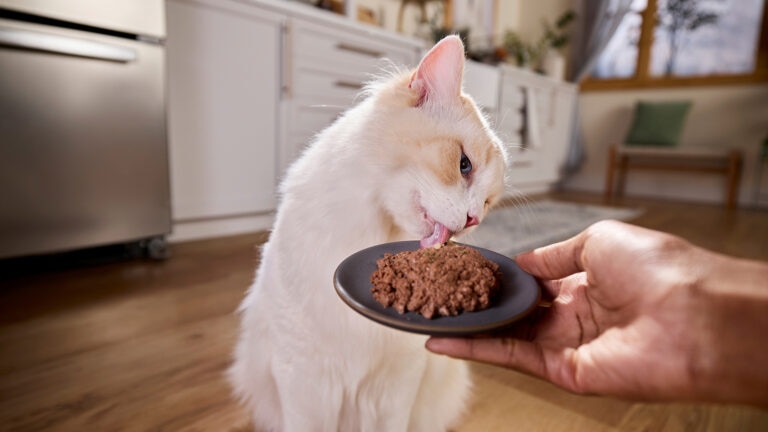
Credit: www.chewy.com
Frequently Asked Questions
Can Dogs Eat Cat Food Occasionally In Emergencies?
Yes, dogs can eat cat food once in a while during emergencies. Cat food is high in protein and fat, which can upset a dog’s stomach if given frequently. Use it only as a short-term solution until regular dog food is available.
What Are The Risks Of Feeding Dogs Cat Food?
Feeding dogs cat food regularly can cause digestive issues and obesity. Cat food lacks essential nutrients dogs need and has too much fat. Long-term feeding can lead to pancreatitis or nutrient imbalances in dogs.
How Long Can A Dog Safely Eat Cat Food?
A dog should only eat cat food for one or two meals in emergencies. Prolonged feeding can harm their health. Always return to dog-specific food as soon as possible to maintain a balanced diet.
Is Cat Food Toxic To Dogs?
Cat food is not toxic to dogs but is not nutritionally suitable. It contains high protein and fat levels that can cause stomach upset. It’s safe only for short-term emergency feeding, not for regular consumption.
Conclusion
Feeding a dog cat food in an emergency is not ideal. Cat food has more fat and protein, which can upset a dog’s stomach. Use it only once or twice if no dog food is available. Always switch back to dog food quickly.
Keep water nearby to help digestion. Watch your dog for any signs of illness. When possible, consult a vet for advice. Being prepared with dog food helps avoid these situations. Safety and proper nutrition keep your dog healthy and happy.