When an emergency strikes, having the right amount of food can make all the difference for you and your loved ones. But how much food is enough?
You don’t want to run out at a critical moment, yet stocking too much can be overwhelming and costly. Finding the perfect balance is key to staying safe and stress-free. Keep reading to discover simple, practical tips that will help you prepare just the right amount of emergency food—so you can feel confident and ready, no matter what happens.

Credit: choq.com
Calculating Food Needs
Figuring out how much food you need for emergencies isn’t just about grabbing a few cans and hoping for the best. It requires careful calculation to ensure you have enough energy to get through tough times without waste or shortage. Understanding your food needs can make your emergency plan more reliable and less stressful.
Daily Calorie Requirements
Your body needs a certain amount of calories each day to function properly, especially during stressful situations. The average adult needs around 2,000 to 2,500 calories daily, but this can vary based on age, gender, and activity level.
Think about your own energy needs. Are you very active, or mostly resting during an emergency? Adjust your calorie estimate accordingly to avoid underestimating or overstocking food.
Duration Of Emergency Supply
Decide how many days or weeks you want your emergency food supply to last. Most experts suggest at least a two-week supply, but you might want more depending on your location and risk factors.
Ask yourself: How long could you realistically be isolated? Having a clear duration helps you calculate total food needs and prevents shortages or excessive surplus.
Adjusting For Family Size
Each family member’s needs add up quickly. Include everyone—adults, children, and even pets—when calculating your total food supply.
Children and elderly family members often require fewer calories, but they may need more specific nutrients. Tailor your stockpile to fit each person’s unique needs rather than treating everyone the same.
Choosing The Right Foods
Choosing the right foods for your emergency supply can make all the difference when normal options are off the table. You want items that last long, keep you healthy, and suit your personal needs. Think about foods that give you energy and comfort during tough times.
Non-perishable Options
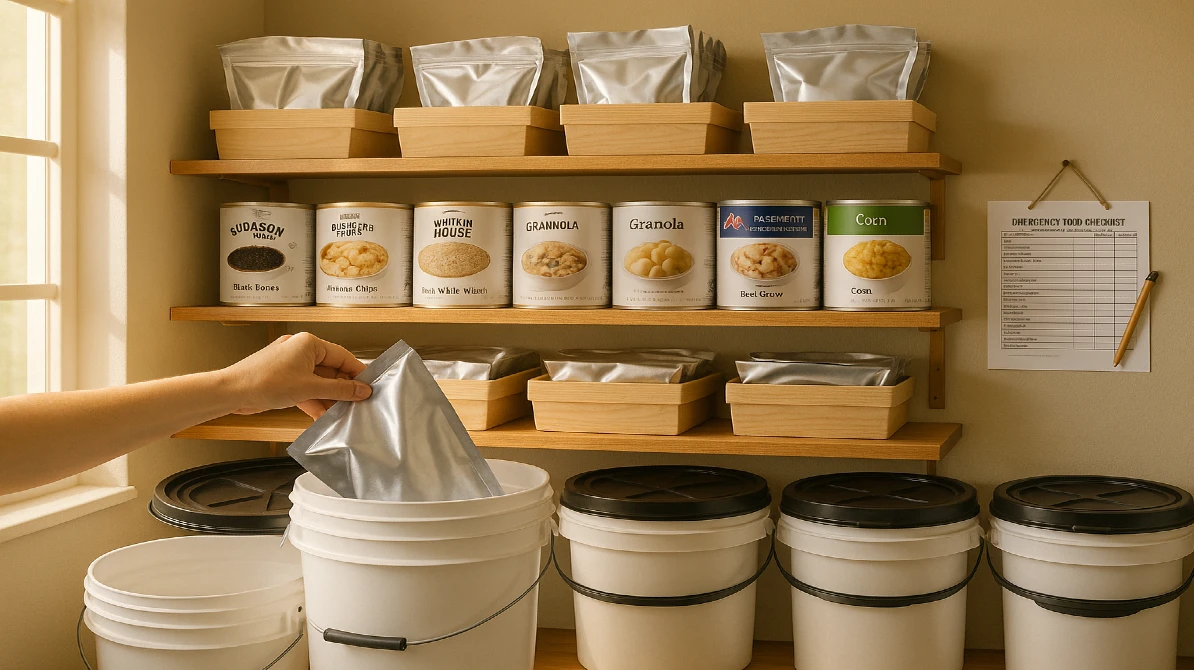
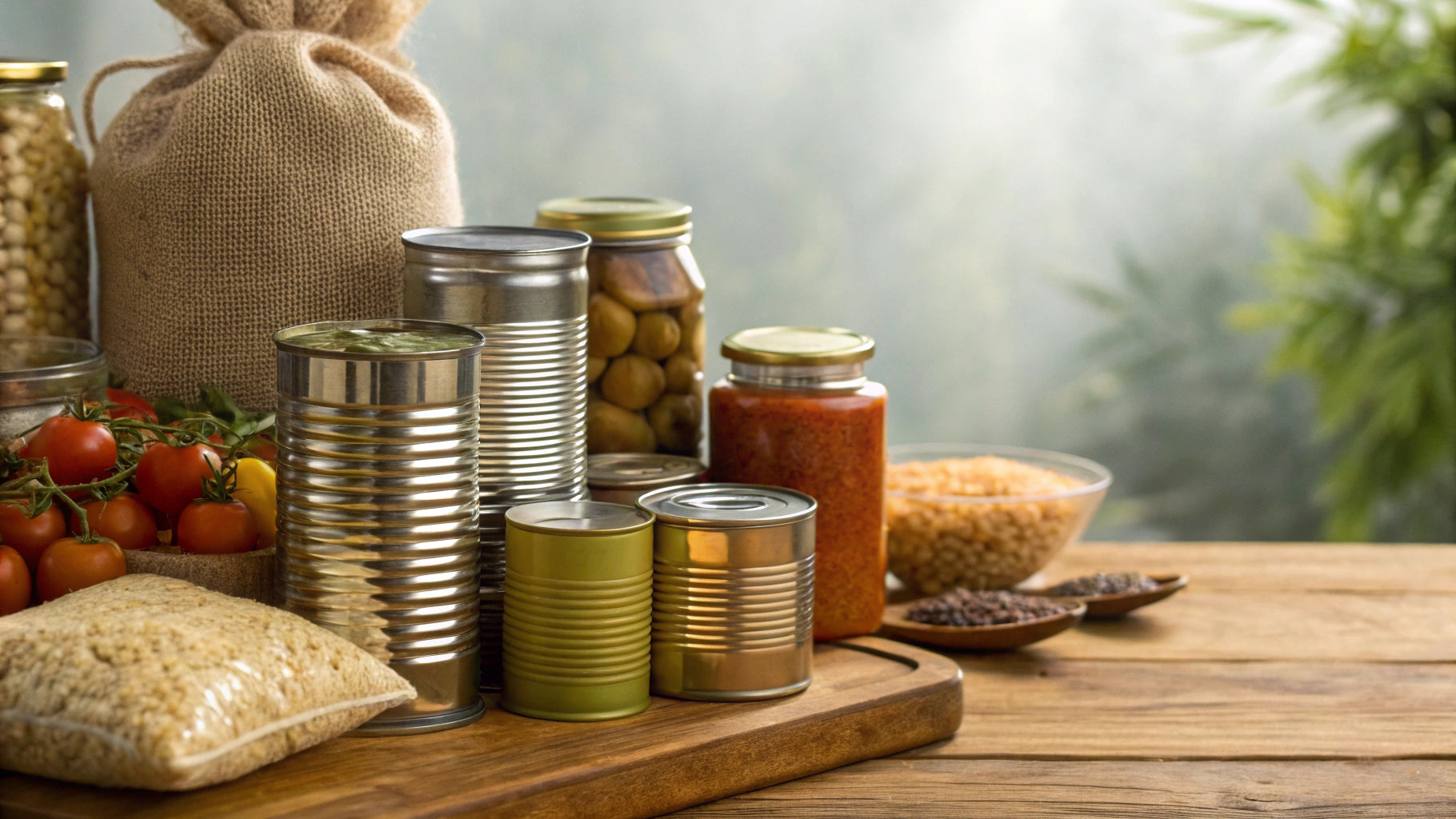
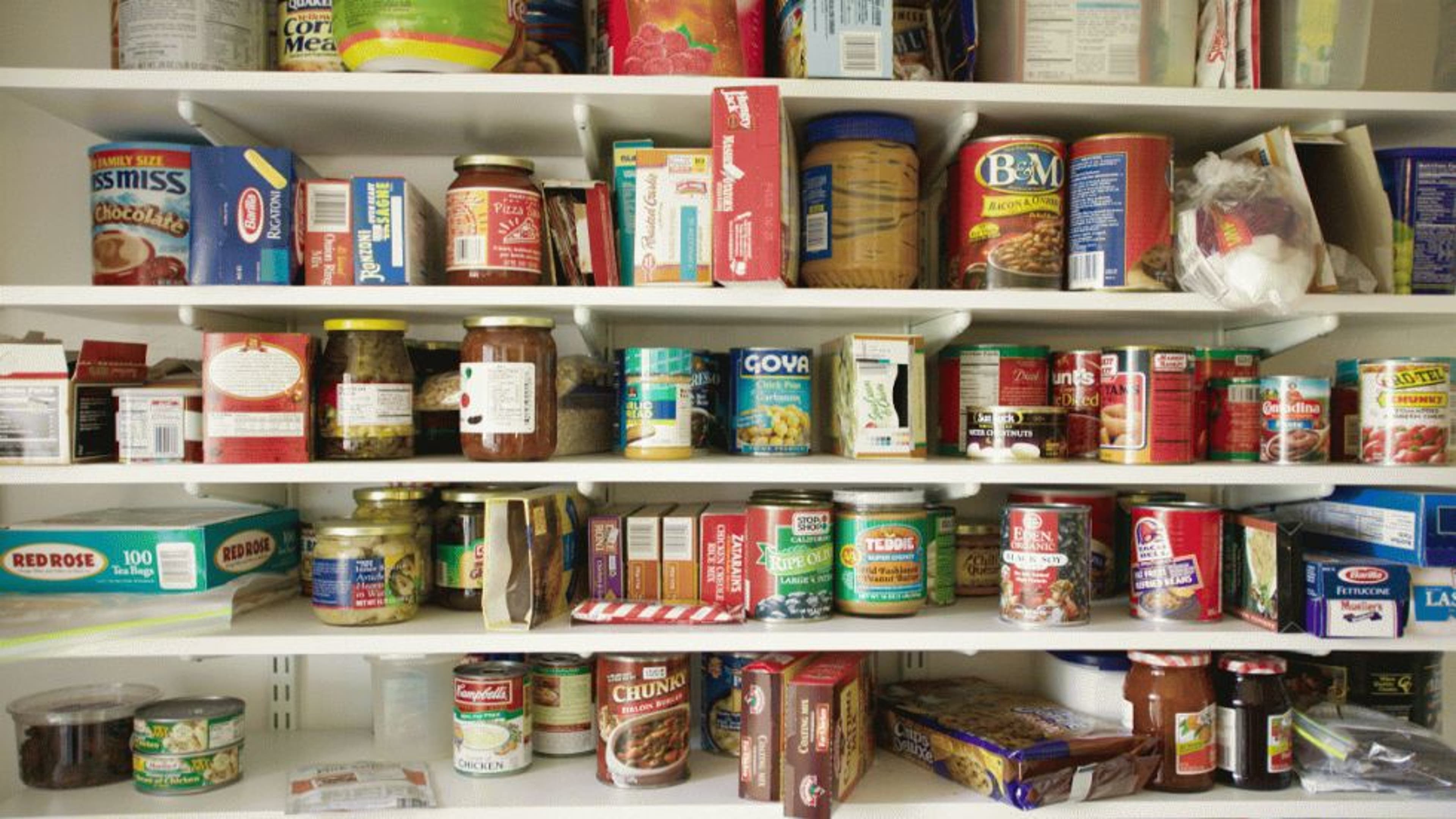
Non-perishable foods are your best friends in emergencies because they don’t spoil easily. Canned beans, rice, pasta, and dried fruits can stay good for months or even years. These items save you from daily grocery runs when stores might be closed or shelves empty.
Look for foods packed in airtight containers or vacuum-sealed bags to extend shelf life. You might be surprised how tasty canned vegetables or freeze-dried meals can be, especially when you have limited cooking tools.
Nutrient-dense Choices
Calories alone won’t keep you strong; you need nutrients too. Foods high in protein, fiber, vitamins, and minerals help maintain your energy and immune system. Think nuts, peanut butter, powdered milk, and fortified cereals.
Adding a variety of colors and textures to your emergency stash can prevent food fatigue. Have you ever tried eating only crackers and canned soup for days? It’s tough, so balance is key to staying both nourished and motivated.
Foods For Special Diets
If you follow a specific diet, your emergency food should respect that. Gluten-free, vegan, diabetic-friendly, or allergy-safe foods must be included to avoid health issues during a crisis. It’s easy to forget these needs when packing, but skipping them can create serious problems.
Check labels carefully and consider shelf-stable options like gluten-free pasta or canned lentils. Planning ahead means you won’t have to compromise your health just because circumstances are tough.
Storage Tips
Storing emergency food properly keeps it fresh and safe to eat. It helps prevent waste and saves money. Follow simple storage tips to ensure your food lasts long and stays nutritious.
Proper Packaging
Use airtight containers to keep food dry and free from pests. Vacuum-sealed bags and glass jars work well. Avoid plastic bags that can tear or let air in. Label each package with the content and date of storage.
Ideal Storage Conditions
Store food in a cool, dark place with low humidity. Avoid direct sunlight and heat sources. Temperatures between 50°F and 70°F are best. Keep food away from chemicals or strong smells that can affect taste.
Rotating Your Stock
Use the “first in, first out” rule. Eat older food before newer supplies. Check expiration dates regularly. Replace any items that are close to expiring. This keeps your emergency food supply fresh and ready.
Water And Hydration
Water is your most important resource in any emergency. Without enough hydration, your body can’t function properly, and survival becomes difficult. Knowing how much water you need and how to store it safely can make a big difference when disaster strikes.
Daily Water Needs
On average, you should plan for at least one gallon (about 3.8 liters) of water per person per day. This amount covers drinking, cooking, and basic hygiene. Keep in mind, hot weather or physical activity can increase your water needs significantly.
Ask yourself: How many days do you want to be prepared for? If you aim for a two-week supply, you’ll need 14 gallons per person. That might seem like a lot, but it’s better to have more than less when every drop counts.
Safe Water Storage
Storing water properly keeps it safe and drinkable. Use food-grade water containers, such as BPA-free plastic or glass jugs with tight seals. Avoid containers that have stored chemicals or non-food liquids before.
Store your water in a cool, dark place away from direct sunlight. Label your containers with the storage date and rotate your supply every six months to keep it fresh.
Alternative Hydration Sources
If you run low on stored water, you can find other hydration sources. Rainwater collected with clean containers is an option, but it must be filtered and purified before drinking. Natural sources like rivers or lakes require boiling or chemical treatment to make the water safe.
Don’t overlook fruits and vegetables with high water content, such as cucumbers or watermelon, if you have access to them. They can supplement your hydration and provide essential nutrients.
Supplementing Your Supplies
Supplementing your emergency food supplies is more than just stacking canned goods and rice. It’s about balancing nutrition, comfort, and practicality to keep you physically and mentally strong when resources are limited. Think beyond basics and add items that support your health, morale, and ability to prepare meals efficiently.
Vitamins And Minerals
In emergencies, your body still needs essential vitamins and minerals to function well. Stock up on multivitamins or individual supplements like vitamin C, D, and zinc to help boost your immune system.
Dehydrated vegetable powders and fortified foods can also fill nutritional gaps. These items don’t take much space but can prevent nutrient deficiencies during long-term situations.
Comfort Foods And Treats
Have you noticed how a small treat can lift your spirits during tough times? Including comfort foods like chocolate, nuts, or dried fruit adds a morale boost to your emergency stash.
These foods remind you of normal life and provide quick energy when you need it most. Choose items with a long shelf life and avoid anything that requires refrigeration.
Cooking And Preparation Tools
Having food is one thing, but being able to prepare it is another challenge. Equip yourself with basic cooking tools such as a portable stove, lightweight pots, and manual can openers.
Don’t forget utensils, fuel sources, and water purification tablets to make sure you can safely and effectively cook your meals. Could you prepare a hot meal if the power went out tomorrow?

Credit: www.youtube.com
Planning For Special Situations
Planning for special situations is essential when preparing emergency food supplies. Every individual has unique needs that affect how much and what type of food they require. Taking these differences into account ensures safety and comfort during emergencies.
Special attention is necessary for groups such as children, elderly people, and pets. Each group demands specific nutrition and portion sizes. This section covers key points to consider for these groups.
Children And Infants
Children need smaller portions but frequent meals. Their food should be easy to digest and nutrient-rich. Infants require formula or breast milk substitutes if breastfeeding is not possible.
- Include baby formula or age-appropriate foods.
- Store extra water for mixing formula.
- Choose soft, easy-to-eat foods for toddlers.
- Pack vitamins or supplements if needed.
Elderly Needs
Elderly people often have slower metabolism and special dietary needs. They may require low-sodium or low-sugar foods. Easy-to-chew items help with dental issues.
- Include foods low in salt and sugar.
- Choose soft or pureed foods if necessary.
- Consider any medications affecting diet.
- Keep hydration options readily available.
Pets And Animals
Pets need food supplies separate from humans. Their portions depend on size, type, and breed. Store enough food and water to last several days.
- Include specific pet food for dogs, cats, or others.
- Keep treats and supplements as needed.
- Store extra water for pets.
- Plan feeding schedule matching usual routine.
Credit: weather.com
Frequently Asked Questions
How Much Food Is Needed For A 72-hour Emergency Kit?
A 72-hour emergency kit should contain at least 1,200 to 1,500 calories per person daily. Include non-perishable, easy-to-prepare foods like canned goods, energy bars, and dried fruits. This ensures sufficient energy during short-term emergencies.
What Types Of Food Last Longest In Emergencies?
Foods like canned beans, rice, dried pasta, and freeze-dried meals have long shelf lives. They resist spoilage and provide essential nutrients. Choose items stored in airtight packaging to maximize freshness and usability during emergencies.
How Many Days Of Food Supply Should I Store?
Experts recommend storing at least a two-week food supply for emergencies. This duration covers most disaster scenarios, providing enough time for help or normalcy to return. Adjust based on family size and specific needs.
Should I Include Special Dietary Foods In Emergency Storage?
Yes, include foods catering to allergies, medical conditions, or preferences. This ensures everyone’s nutritional needs are met during emergencies. Stock gluten-free, diabetic-friendly, or baby food items as necessary.
Conclusion
Having enough food for emergencies keeps you safe and calm. Plan for at least three days of supplies per person. Choose foods that last long and need little preparation. Store water along with your food. Check and rotate your supplies regularly.
Simple steps like these can make a big difference. Stay prepared, stay confident, and protect your family. Emergency food is not just a choice—it is a smart habit.