Have you ever wondered if tics can survive cold weather? If you’re dealing with tics in your home or garden, knowing how they react to chilly temperatures is crucial.
Understanding this can help you protect your family and pets better during the colder months. Keep reading to discover how cold weather impacts tics and what you can do to keep them at bay all year round.
What Are Tics?
Tics are sudden, repetitive movements or sounds that you can’t easily control. They often appear out of nowhere and can be mild or more noticeable. Understanding what tics are is key to knowing how they behave, especially in different environments like cold weather.
Types Of Tics
Tics come in two main types: motor and vocal.
- Motor ticsare quick movements, such as blinking, shrugging shoulders, or twitching a muscle.
- Vocal ticsinvolve sounds like throat clearing, grunting, or repeating words.
Some people experience simple tics, which are brief and involve one muscle group or sound. Others have complex tics that involve multiple movements or phrases. Have you noticed how some tics seem to change over time or with stress?
Common Causes
Tics usually start in childhood and can be influenced by several factors.
- Genetics:Tics often run in families, suggesting a genetic link.
- Stress and anxiety:These can make tics worse or more frequent.
- Fatigue:Being tired often increases tic activity.
Sometimes, tics appear after illnesses or head injuries, but most often they are harmless and temporary. Think about your own experiences or those of people you know—does stress seem to trigger or worsen tics?
Credit: www.drovers.com
How Weather Affects Tics
Weather can have a clear effect on tics. Changes in temperature and environment often influence how tics show up. Cold weather, in particular, affects the body in ways that can change tic behavior. Understanding these effects helps in managing tics better throughout the year.
Impact Of Cold On Nervous System
Cold weather causes the body to react in several ways. The nervous system can slow down due to lower temperatures. This slowing may reduce the intensity of tics for some people. Cold also affects blood flow, which influences nerve signals. These changes might make tics less frequent or milder. Yet, some individuals may feel more tense, which can increase tic activity.
Temperature And Tic Frequency
Temperature changes often link closely to tic frequency. Warm weather may increase tic occurrences as the body feels more relaxed. Cold weather sometimes lowers tic frequency because the body conserves energy. However, extreme cold might cause discomfort and stress, which can trigger more tics. Tic patterns can vary widely from person to person. Monitoring how temperature affects tics can help in planning daily activities and care.
Can Tics Survive Cold Weather?
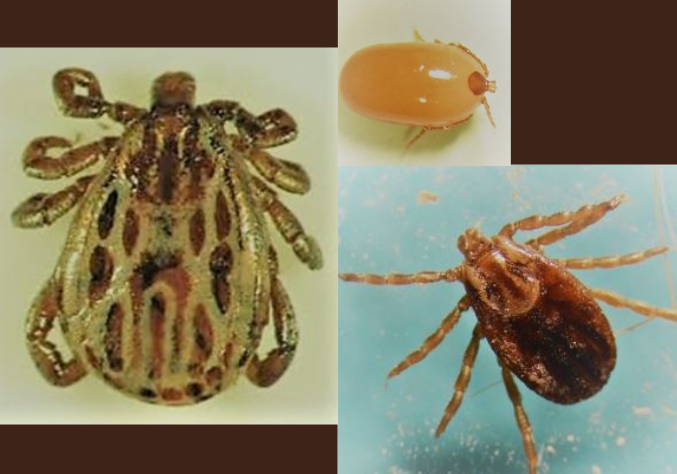
Can ticks survive cold weather? This question often comes up as temperatures drop and people worry about tick bites during winter months. Understanding how ticks respond to cold can help you protect yourself and your pets year-round.
Biological Response To Cold
Ticks don’t just disappear when it gets cold. They enter a state called diapause, which is like a deep sleep. This slows down their metabolism and helps them survive freezing temperatures.
Some ticks produce antifreeze-like proteins that prevent ice crystals from forming inside their bodies. This biological trick allows them to stay alive even under snow or ice.
However, extreme cold for long periods can kill many ticks, especially if they are exposed without shelter. But those hidden in leaf litter or soil have a much better chance of survival.
Environmental Triggers
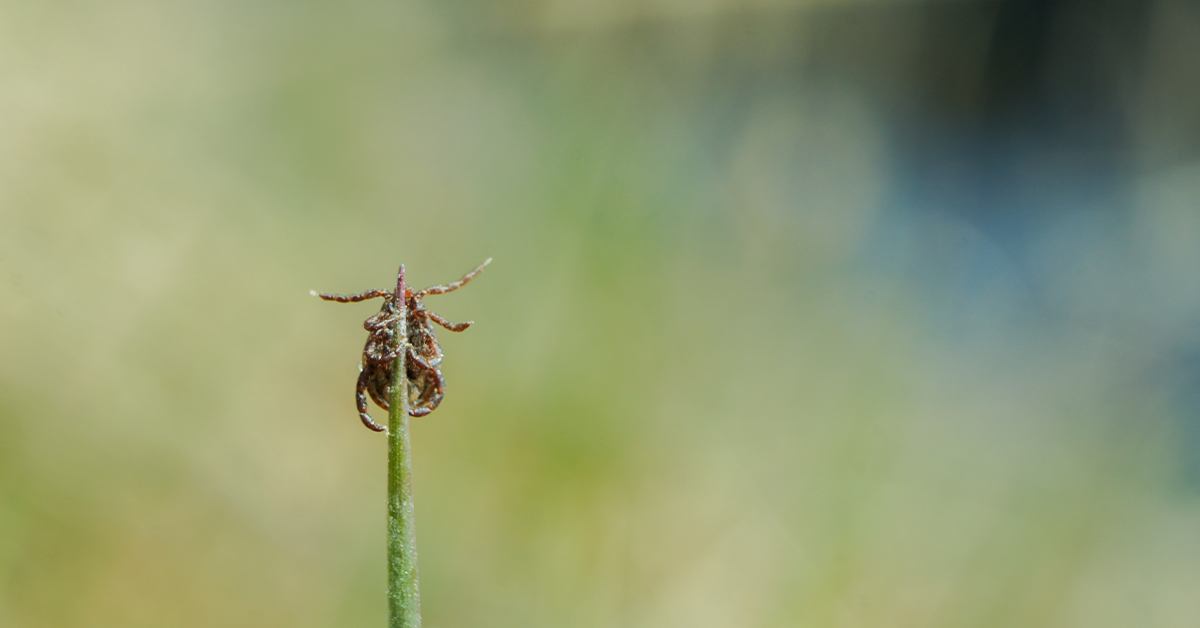
Ticks rely on environmental cues to decide when to become active. Temperature, humidity, and daylight length all send signals to ticks.
When the air warms up and the days get longer, ticks wake from their dormant state and start seeking hosts again. This means that even a mild winter can lead to ticks being active sooner than you expect.
- Ticks tend to burrow under leaves or snow during cold spells.
- Areas with dense vegetation offer better protection from freezing.
- Sudden warm spells during winter can trigger tick activity unexpectedly.
Knowing this, you can ask yourself: Are you prepared for tick season even if the weather feels chilly? Regular checks and protective measures remain important regardless of the season.
Credit: tickcontrol.com
Managing Tics In Cold Conditions
Managing tics in cold conditions requires special care and attention. Cold weather can affect the body and may increase discomfort linked to tics. Taking simple steps can help ease symptoms and improve comfort during chilly days.
Tips For Cold Weather Care
- Wear warm and comfortable clothing to protect against the cold.
- Keep hands and face covered to avoid cold-triggered tics.
- Use heated blankets or pads to stay warm at home.
- Maintain a cozy indoor environment with proper heating.
- Stay hydrated; cold air can dry out the body.
- Avoid sudden changes in temperature to reduce tic triggers.
Lifestyle Adjustments
Adapting daily routines helps manage tics better during winter. Plan outdoor activities for warmer parts of the day.
Practice gentle exercises indoors to stay active without exposure to cold.
Focus on stress reduction techniques like deep breathing or meditation.
Maintain a regular sleep schedule to support overall health.
Eat balanced meals rich in vitamins to strengthen the immune system.
When To Seek Help
Knowing when to seek help for tics is very important. Tics can sometimes be harmless. Other times, they may signal a deeper problem. Early help can improve quality of life. It also prevents tics from worsening. Understanding the signs and treatment options guides better choices.
Warning Signs
- Tics last longer than a year without improvement.
- Tics increase in frequency or intensity quickly.
- Tics cause pain or injury to the body.
- Tics disrupt daily activities or school work.
- Strong feelings of stress, anxiety, or frustration appear.
- Sudden changes in behavior or mood happen.
- Tics affect breathing, speech, or swallowing.
Professional Treatment Options
Health experts offer many ways to manage tics. Treatment depends on tic type and severity. Common methods include:
- Behavioral therapy to reduce tic frequency and control.
- Medications to ease tic symptoms if needed.
- Support groups for emotional and social help.
- Regular check-ups to track progress and adjust care.
Choosing the right treatment helps improve daily life. Professionals tailor plans to each person’s needs.

Credit: www.youtube.com
Frequently Asked Questions
Can Tics Live In Cold Weather?
Tics can survive in cold weather, but their activity decreases significantly. During winter, they enter a dormant state to conserve energy. However, they can still be a threat on warmer winter days. It’s crucial to remain vigilant year-round and take preventive measures to avoid tic bites.
How Do Tics Survive Winter Months?
Tics survive winter by entering a dormant state called diapause. This allows them to conserve energy and reduce metabolic activity. They seek shelter in leaf litter and under snow, which provides insulation. This survival strategy helps them endure cold temperatures until favorable conditions return.
What Temperature Kills Tics?
Tics die when exposed to prolonged temperatures below 14°F (-10°C). However, brief exposures to cold may not be lethal. Consistently cold temperatures over time are necessary to effectively reduce tic populations. It’s important to manage tics year-round, as they can survive mild winters.
Can Tics Be Active In Winter?
Tics can be active during mild winter days when temperatures rise above freezing. They seek hosts for feeding and may attach to humans or animals. Even in winter, it’s important to check for tics after outdoor activities. Wearing appropriate clothing can help prevent tic bites.
Conclusion
Ticks can survive cold weather by finding warm places to hide. They stay under leaves, grass, or animal fur to keep safe. Cold slows their activity but does not kill them. Warmer days can make ticks active again. Protect yourself by checking for ticks after outdoor activities.
Dress in long sleeves and pants to reduce risk. Knowing how ticks behave helps you stay safe year-round. Stay alert, stay protected.