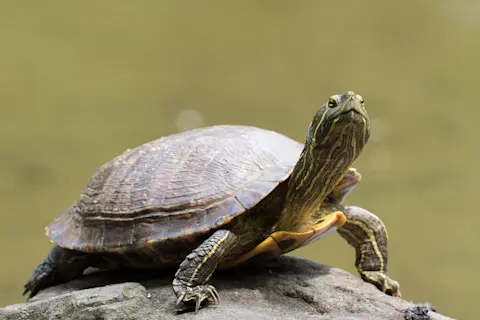
Have you ever wondered how box turtles manage to survive when the cold weather sets in? As the temperature drops, many animals struggle to stay warm and find food.
But box turtles have a clever way of dealing with the chill that might surprise you. Understanding their secrets can help you appreciate these amazing creatures even more. Keep reading to discover exactly how box turtles brave the cold and what this means for their survival—and maybe even for your backyard visitors.

Credit: www.boxturtles.com
Box Turtle Habitat And Climate
Understanding the habitat and climate of box turtles is key to knowing how they survive cold weather. These turtles have adapted to specific environments where temperature changes dramatically throughout the year. By looking at their natural range and the seasonal variations they face, you can see how their survival strategies take shape.
Natural Range And Environment
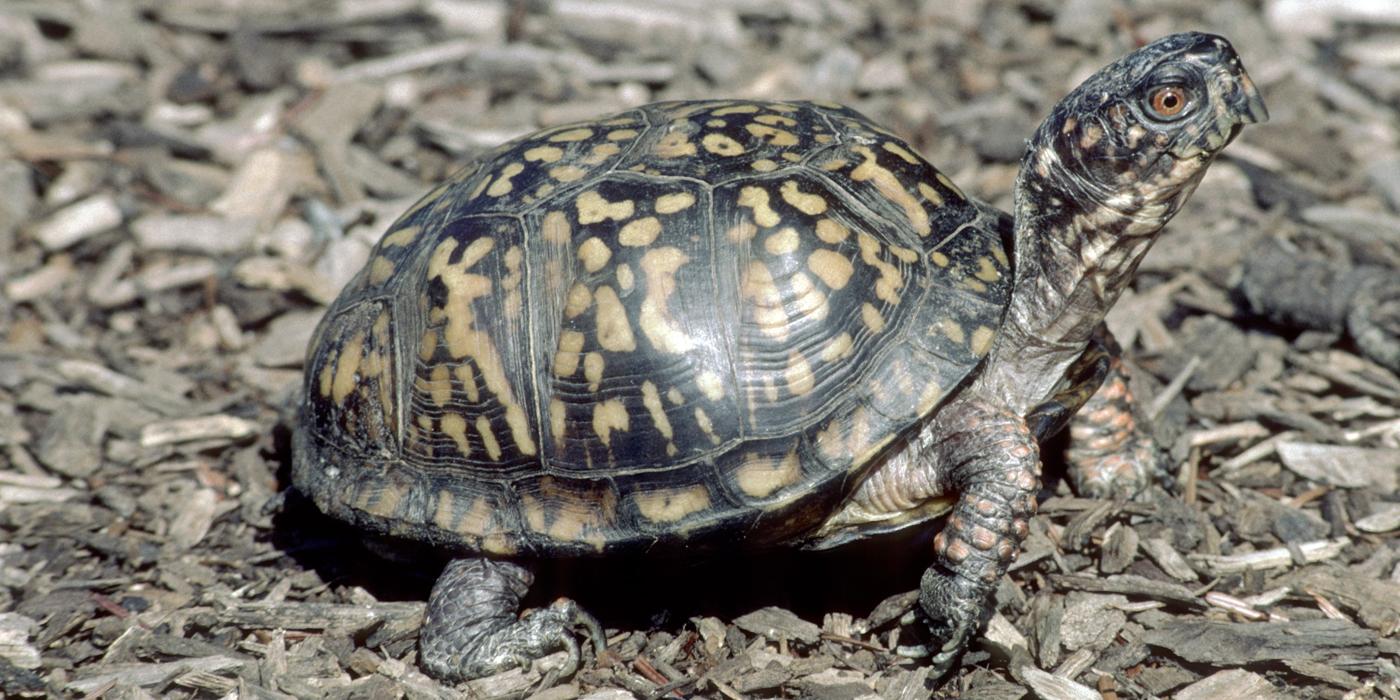
Box turtles primarily live in the eastern and central United States. They favor woodlands, grasslands, and areas near water sources like streams or ponds. These habitats provide the shelter and moisture they need to thrive.
You might be surprised to learn that some box turtles also live in drier environments. They adjust by seeking shaded spots and burrows to avoid extreme heat or cold. If you’ve ever found a box turtle hiding under leaves or logs, you’ve witnessed their instinct to find protective cover.
Seasonal Temperature Variations
Box turtles experience wide temperature swings from hot summers to freezing winters. During winter, temperatures can drop well below freezing, yet these turtles manage to survive. They slow down their metabolism and enter a state similar to hibernation called brumation.
To survive, box turtles dig into the soil or find natural crevices to shield themselves from harsh cold. Their shells help protect against frost, but the real secret is their ability to reduce bodily functions, conserving energy when food is scarce. Have you ever wondered how animals manage long periods without eating? Box turtles provide a remarkable example.

Credit: www.willyswilderness.org
Behavioral Adaptations For Winter
Box turtles have special behaviors to survive cold winters. They do not hibernate like some animals. Instead, they use clever actions to protect themselves from freezing temperatures. These behavioral adaptations help them stay safe and alive until warmer days return.
Burrowing Techniques
Box turtles dig into the soil to find warmth and shelter. They use their strong legs to burrow deep enough to avoid frost. The soil acts as an insulator, keeping the cold air away. Burrowing also helps them stay hidden from predators during winter.
They often dig under leaves or fallen logs. This extra cover traps heat and blocks icy wind. The depth of the burrow depends on the ground temperature. Sometimes, turtles even burrow below the frost line to stay safe.
Choosing Shelter Spots
Box turtles carefully select their winter shelters. They prefer places with natural protection like thick leaf piles or dense brush. These spots reduce heat loss and shield them from harsh weather.
Turtles avoid open areas where the cold wind can reach them. They look for spots near tree roots or under rocks. Such shelters provide stable temperatures and moisture, which help prevent dehydration.
Choosing the right shelter increases their chance of surviving winter’s chill. It also allows them to stay still and conserve energy until spring.
Physiological Changes In Cold
Box turtles survive cold weather by undergoing specific physiological changes that help them conserve energy and maintain vital functions. These adaptations allow them to endure freezing temperatures and limited food availability. Understanding these changes gives you a clearer picture of how these resilient creatures manage harsh winters.
Metabolic Rate Reduction
As temperatures drop, box turtles significantly reduce their metabolic rate. This slowdown means their bodies use less energy, helping them survive when food is scarce. You might notice how your own energy levels drop in cold weather; the turtle’s system takes this to a whole new level.
Lower metabolism leads to slower heartbeats and reduced movement, minimizing energy waste. This state, sometimes called brumation, keeps the turtle alive without needing to eat for months. Think about how your phone saves battery by limiting background apps—that’s similar to what happens inside the turtle.
Oxygen Consumption Adjustments
Box turtles also adjust how they consume oxygen during cold months. Their bodies become more efficient at using oxygen, ensuring essential organs keep working even when breathing slows down. This adjustment helps them avoid damage from low oxygen levels.
Interestingly, turtles can absorb oxygen through their skin and the lining of their throat when underwater or buried in mud. This alternative oxygen intake method supports survival when breathing air is limited. Have you ever thought about how your body would cope if you couldn’t breathe normally for long periods?
Hibernation Process
Box turtles survive cold weather through a fascinating hibernation process that allows them to endure freezing temperatures safely. This process is not just about sleeping through winter; it involves carefully timed behavior and smart energy-saving tactics. Understanding this can help you appreciate how resilient these creatures really are.
Timing And Duration
Box turtles begin to prepare for hibernation as temperatures drop in late fall. They seek out protected spots, like burrows or under leaf piles, where they can stay insulated from the cold. The actual hibernation period can last anywhere from a few weeks to several months, depending on how harsh the winter is in their habitat.
Have you ever wondered how they know when to start and stop hibernating? It’s mostly triggered by temperature and daylight changes. If the weather warms up unexpectedly, box turtles might briefly wake up before settling back down.
Energy Conservation Strategies
During hibernation, box turtles drastically slow their metabolism to conserve energy. Their heart rate and breathing drop to minimal levels, which helps them survive without eating or drinking for months. This is crucial because food is scarce and digestion is impossible in freezing conditions.
They also absorb oxygen through their skin and the lining of their throat while buried, which is an amazing adaptation that keeps them alive without the need to surface for air. This clever strategy raises an important question: what other animals might have similar hidden survival tricks we haven’t discovered yet?
Challenges Faced During Cold Months
Box turtles face many challenges during cold months. Their survival depends on overcoming harsh weather and other threats. Winter brings low temperatures and changes in food availability. These factors test the turtle’s ability to stay alive. Understanding these challenges helps us appreciate their resilience and unique adaptations.
Predator Risks
During cold months, box turtles become less active and slower. This makes them easier targets for predators. Animals like raccoons and skunks can find turtles hiding under leaves or soil. The turtles’ shells offer some protection but not always enough. Predators may dig or wait until turtles move to attack. Survival often depends on finding safe, hidden spots to stay protected.
Freezing Temperatures And Survival
Freezing temperatures are a major threat to box turtles. Their bodies can suffer damage if ice forms inside tissues. To survive, turtles enter a state called brumation, similar to hibernation. They lower their heart rate and metabolism to save energy. Turtles often burrow deep into soil or mud. This keeps them insulated from the cold air above. Some box turtles can even survive partial freezing by controlling ice formation in their bodies.
Human Impact And Conservation
Box turtles have adapted to survive cold weather through natural behaviors and physiological changes. However, human activities increasingly challenge their ability to endure harsh winters. Understanding how our actions affect these turtles can help you make a difference in their survival and conservation.
Habitat Disruption Effects
Construction, farming, and urban sprawl often destroy or fragment box turtle habitats. This leaves turtles with fewer safe places to burrow and hibernate during winter. Without proper shelter, turtles become vulnerable to freezing temperatures and predators.
Think about the last time you walked in a forest near your home. If you noticed fewer logs, leaves, or undisturbed soil, that’s likely a sign of habitat loss. Such changes reduce the natural insulation turtles rely on to survive cold spells.
Roads also pose a serious threat. Turtles crossing roads to find winter shelters risk being hit by vehicles. This disrupts their hibernation patterns and can reduce local populations.
Protecting Box Turtles In Winter
You can help box turtles survive winter by preserving their natural habitats. Leaving fallen leaves, logs, and brush piles intact provides essential insulation for their burrows. Avoid disturbing known turtle hibernation sites during the cold months.
Community efforts like creating safe wildlife corridors reduce the dangers turtles face when migrating to winter shelters. Installing turtle crossing signs near habitats raises driver awareness and lowers roadkill incidents.
Consider supporting local conservation groups focused on protecting box turtles. Your involvement can fund habitat restoration and education programs. Have you ever taken a moment to check your yard for potential turtle hideouts? Small actions like these can make a big difference.
Credit: nationalzoo.si.edu
Frequently Asked Questions
How Do Box Turtles Handle Cold Temperatures?
Box turtles enter a state called brumation to survive cold weather. During brumation, their metabolism slows, conserving energy. They burrow into the ground or find shelter under leaves to protect themselves from freezing temperatures. This natural adaptation helps them endure harsh winters.
What Is Brumation In Box Turtles?
Brumation is a hibernation-like state for reptiles, including box turtles. During brumation, they become less active and eat less. This process helps them conserve energy during cold months. Box turtles seek sheltered spots, like burrows, to stay safe from the cold.
Can Box Turtles Survive Freezing Conditions?
Yes, box turtles can survive freezing conditions through brumation. They burrow or hide to avoid extreme cold. Their metabolism slows, reducing energy needs. This adaptation helps them endure harsh winters. However, prolonged exposure to freezing temperatures can be harmful.
Where Do Box Turtles Go In Winter?
Box turtles seek sheltered spots, such as burrows or under leaf litter, in winter. These locations provide insulation and protection from the cold. By entering brumation, they conserve energy and survive until warmer temperatures return.
Conclusion
Box turtles survive cold weather by slowing down their body functions. They dig into the ground to stay warm and avoid freezing. Their shells protect them from harsh conditions. These turtles rest deeply through winter months, using less energy. This natural behavior helps them live through cold seasons safely.
Understanding their survival shows how animals adapt to tough environments. Watching box turtles in winter reveals nature’s quiet strength. Their simple, smart ways keep them safe until spring returns.