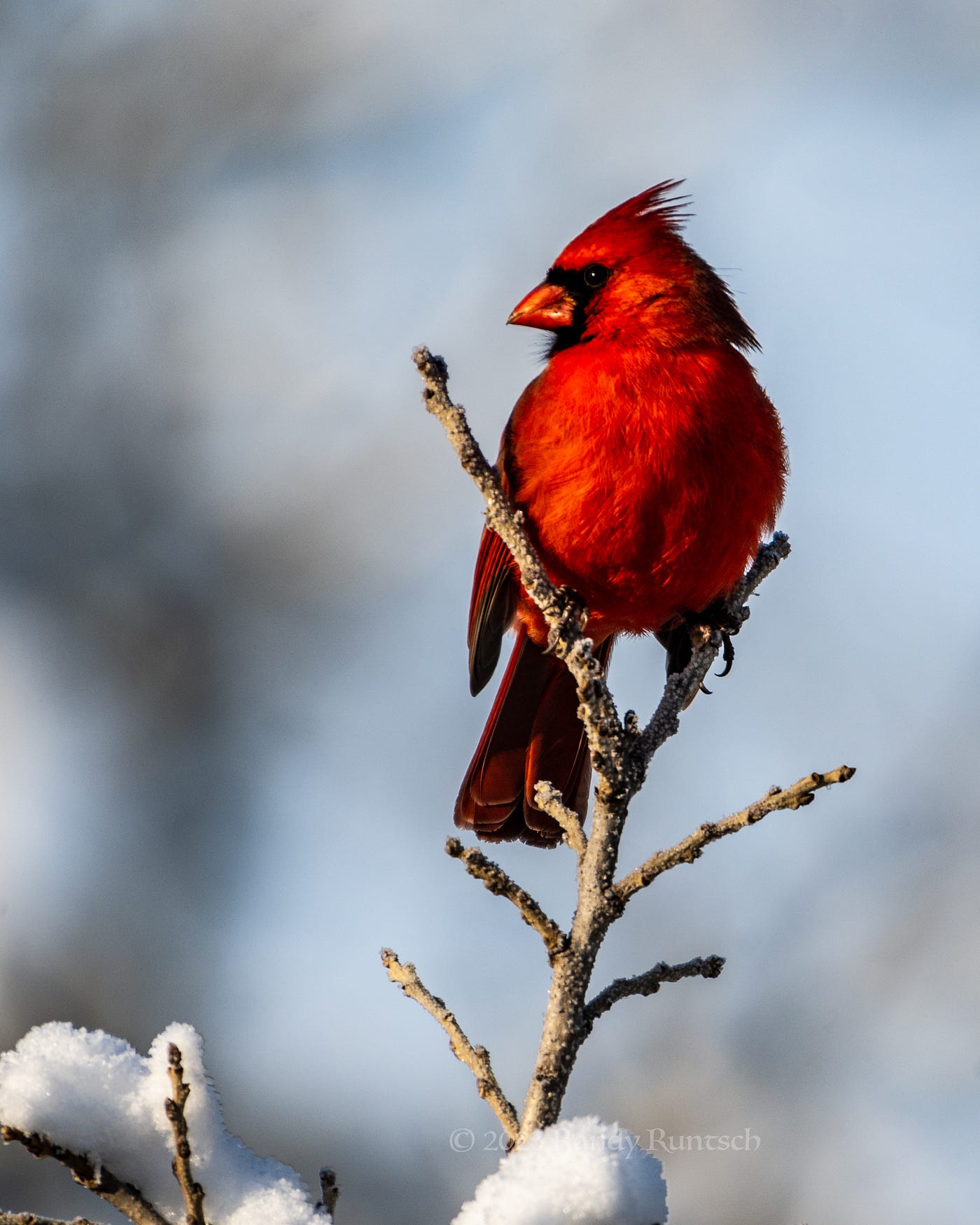
Have you ever wondered how cardinals manage to stay vibrant and active even when the cold weather sets in? These bright red birds don’t just survive winter—they thrive.
Understanding their clever adaptations can change the way you see these familiar visitors to your backyard. Keep reading, and you’ll discover surprising ways cardinals beat the cold, and how you can help them stay safe and warm through the chilly months ahead.
Physical Adaptations
Cardinals have unique physical traits that help them live through cold winters. Their bodies work to keep them warm and safe. These adaptations improve their chance of survival during chilly months.
Feather Insulation
Cardinals grow thick feathers that trap heat close to their bodies. These feathers create an insulating layer to block cold air. They fluff up their feathers to increase this warm air layer around them.
Body Size And Shape
Cardinals have compact bodies that reduce heat loss. Their rounded shape lowers surface area exposed to cold air. This shape helps them keep body heat inside more effectively.
Coloration Benefits
The bright red feathers of male cardinals absorb sunlight, adding warmth. Their coloration also helps them blend in with winter berries and branches. This camouflage reduces risk from predators during cold seasons.

Credit: www.sciencenews.org
Behavioral Strategies
Cardinals use smart behaviors to stay warm during cold weather. These actions help them save energy and protect their bodies from harsh conditions. Behavioral strategies are key for their survival in winter.
Seeking Shelter
Cardinals find places that block cold wind and snow. They hide in thick bushes or dense trees. These spots keep them warmer and safer from predators.
Sometimes, cardinals use cavities in trees or birdhouses. These natural shelters offer extra protection from the cold.
Fluffing Feathers
Cardinals puff up their feathers to trap warm air close to their bodies. This layer of air acts like insulation. It helps keep their body heat inside.
The fluffing makes their feathers look bigger but is very effective. It reduces heat loss during freezing temperatures.
Adjusting Activity Levels
Cardinals reduce their movements to save energy in cold weather. Less flying and hopping means less heat lost. They rest more during the coldest parts of the day.
At times, cardinals increase their feeding to build energy reserves. Eating more helps them stay warm and active longer.
Diet And Foraging
Cardinals show impressive adaptability in their diet and foraging habits to survive cold weather. Their ability to find food and manage energy efficiently keeps them thriving even when temperatures drop. Understanding their strategies can help you appreciate how these birds manage winter challenges.
Winter Food Sources
Cardinals rely on a variety of foods during winter months when insects are scarce. Seeds from grasses, weeds, and trees become a primary source of nutrition. They also eat berries and small fruits that persist on bushes, such as dogwood and holly.
Have you noticed cardinals at your feeder? They often prefer sunflower seeds and safflower seeds, which provide high energy to sustain their body heat. You can support them by keeping feeders stocked with these seeds during cold spells.
Foraging Techniques
Cardinals use smart foraging techniques to maximize food intake while minimizing energy spent. They often forage close to the ground or in low shrubs where seeds and berries are accessible despite snow cover. Their strong beaks help crack open tough seeds that other birds might avoid.
Watching a cardinal forage can reveal how patient and precise they are. They might spend extra time digging through leaf litter or snow to uncover hidden food. This persistence pays off, ensuring they meet their daily energy needs.
Energy Conservation
Finding food is only part of the survival equation; conserving energy is equally important. Cardinals reduce unnecessary movement and fluff up their feathers to trap heat, lowering their energy use. They also time their foraging to warmer parts of the day when food is easier to locate.
Think about your own habits on cold days—do you move less to save energy? Cardinals do the same instinctively. By balancing effort and intake, they survive harsh winters with limited resources.
Physiological Changes
Cardinals face harsh winters with several physiological changes. These changes help them keep warm and survive cold weather. Their bodies adjust in ways that conserve energy and produce heat. These adaptations are vital for their survival during freezing temperatures.
Metabolic Adjustments
Cardinals increase their metabolism in cold weather. This change helps them burn more energy to stay warm. Their bodies use stored food efficiently. They also slow down less essential functions to save energy. These metabolic shifts keep their body temperature stable.
Fat Storage
Cardinals build up fat reserves before winter arrives. Fat acts as a crucial energy source. It provides insulation and fuels their metabolism. This stored fat helps them survive nights without food. Cardinals carefully manage fat use to last through cold periods.
Heat Production
Cardinals generate extra heat through muscle activity. Shivering produces warmth when temperatures drop. Their blood flow adjusts to keep vital organs warm. Feathers trap air, creating an insulating layer. These heat production methods keep cardinals cozy in winter.
Social Adaptations
Cardinals rely on social behaviors to cope with the challenges of cold weather. These social adaptations help them conserve heat, find food, and protect their territory. Understanding these strategies can change how you observe their winter habits.
Group Roosting
Cardinals often huddle together at night to stay warm. Group roosting reduces heat loss by sharing body warmth. You might spot several cardinals packed tightly in dense shrubs or evergreen trees during freezing nights.
This behavior isn’t just about comfort. It increases their chances of survival when temperatures drop below freezing. Imagine how much warmer you feel when sharing a blanket with friends—it works the same way for cardinals.
Communication In Cold
Communication plays a key role in helping cardinals survive winter. They use calls to warn others about predators and to signal food sources. These vocal signals become more frequent as food gets scarce.
Have you noticed cardinals calling more during snowy days? Their sharp whistles can travel through the quiet, cold air better than you might expect. Staying in touch with their group helps them stay safe and find resources.
Territorial Behavior
Even in harsh winter, cardinals defend their territories fiercely. Securing a reliable food source is vital, so they chase away intruders to keep their feeding grounds safe. This territorial behavior ensures they have enough to eat when food is limited.
Watching a cardinal chase another bird away might seem aggressive, but it’s a survival tactic. It makes you wonder how much energy they spend protecting their space versus conserving warmth. Next time you see this, think about the balance they maintain between defending territory and enduring cold.

Credit: medium.com

Credit: www.youtube.com
Frequently Asked Questions
How Do Cardinals Stay Warm In Winter?
Cardinals fluff up their feathers to trap warm air, creating insulation. They also seek shelter in dense shrubs and trees. Their bodies can adjust metabolic rates to generate more body heat. Additionally, they consume high-energy foods like seeds and berries to maintain warmth during cold weather.
What Foods Help Cardinals Survive The Cold?
Cardinals rely on seeds, berries, and small fruits during winter. These foods provide essential energy and nutrients. High-fat seeds like sunflower and safflower seeds are particularly beneficial. Cardinals are also known to visit bird feeders, which can be a valuable food source in harsh conditions.
Do Cardinals Migrate To Avoid Cold Weather?
Unlike many birds, cardinals do not migrate. They are year-round residents in their habitats. Cardinals have adapted to withstand cold temperatures by altering their diet and behavior. Their ability to adjust helps them survive harsh winter months without needing to relocate.
How Do Cardinals Find Shelter In Winter?
Cardinals seek shelter in dense shrubs, evergreen trees, and thickets during winter. These natural habitats provide protection from harsh winds and predators. By roosting together in groups, cardinals can conserve body heat and increase their chances of surviving cold weather.
Conclusion
Cardinals stay warm using thick feathers and fat stores. They fluff their feathers to trap heat close to their bodies. Their bright red color helps absorb sunlight during cold days. Cardinals also find shelter in dense bushes to avoid wind.
They eat seeds and berries that give them energy. These simple ways help cardinals survive harsh winters. Watching cardinals in cold weather shows nature’s smart design. Their survival skills inspire us to adapt and thrive too.


