
Have you ever wondered how long your dog can stay safe in freezing 28-degree weather? When temperatures drop, your furry friend faces real risks that you might not even realize.
Knowing how cold affects your dog’s body can help you protect them better. You’ll discover vital facts about cold weather survival and practical tips to keep your dog warm and healthy. Keep reading to ensure your pet stays safe when the temperature plunges.

Credit: petzyo.com.au
Dog’s Tolerance To Cold
Dogs vary in their ability to handle cold weather. Some dogs feel comfortable in low temperatures. Others may struggle and get cold quickly. Understanding a dog’s cold tolerance helps keep them safe and warm during chilly days. Factors such as breed, coat type, age, and health play a role in how long dogs can survive in 28-degree weather.
Factors Affecting Cold Endurance
Several key factors influence a dog’s endurance in cold weather:
- Body fat and muscle mass
- Coat thickness and length
- Age and overall health
- Activity level and shelter availability
Dogs with more body fat and muscle generate more heat. Active dogs tend to stay warmer than inactive ones. Shelter and protection from wind reduce cold exposure.
Breed And Coat Influence
Breed plays a big role in cold tolerance. Some breeds have thick double coats that trap heat well. Examples include Huskies and Malamutes.
Short-haired breeds or those bred for warm climates have less cold resistance. Their thin coats do not protect against wind or frost.
Coat length and density matter. Double coats provide insulation and repel snow. Single coats offer little protection.
Age And Health Considerations
Young puppies and older dogs are more sensitive to cold. Their bodies cannot regulate temperature efficiently.
Dogs with health problems may struggle in cold weather. Conditions like arthritis or heart disease lower cold tolerance.
Healthy adult dogs usually tolerate cold better but still need monitoring. Watch for signs of shivering, lethargy, or discomfort.
Credit: www.treelinereview.com
Risks Of 28 Degree Weather
28-degree weather, while not freezing, poses serious risks to your dog’s health. Even a short exposure can lead to dangerous conditions that might be hard to spot at first. Understanding these risks helps you protect your furry friend before it’s too late.
Hypothermia Signs
Hypothermia happens when your dog’s body temperature drops too low. Watch for shivering, lethargy, and weakness—these are early warning signs. If your dog seems uncoordinated or starts to collapse, it’s time to act immediately.
Dogs with thick fur might hide symptoms longer, so don’t assume they’re fine just because they look comfortable. You could try gently feeling their ears and paws; if they’re cold to the touch, hypothermia might be setting in.
Frostbite Symptoms
Frostbite affects areas with little fur like ears, tail, and paws. Look for pale, hard, or cold skin that turns red and swollen as it warms up. Blisters or blackened skin mean serious damage and need urgent vet care.
Have you checked your dog’s paws after a walk in the cold? Snow and ice can cling to their pads, causing pain and frostbite without you noticing.
Behavioral Changes
Cold stress often changes how your dog acts. They may hide, become unusually quiet, or refuse to move. Sometimes, dogs will whine or bark more because they feel uncomfortable or scared.
Pay attention if your dog suddenly loses interest in playing or eating during cold days. These subtle signs often indicate distress before physical symptoms appear.
Safe Outdoor Duration
Knowing how long your dog can safely stay outside in 28-degree weather is crucial. Cold temperatures can affect dogs differently depending on their breed, size, and coat thickness. Understanding safe outdoor duration helps prevent health risks like hypothermia and frostbite.
Short Vs. Extended Exposure
Short outdoor trips, like quick bathroom breaks or brief play sessions, are usually safe for most dogs in 28-degree weather. These short bursts limit your dog’s exposure to cold and reduce the risk of illness.
Extended exposure, on the other hand, can be dangerous, especially for small or short-haired dogs. If your dog shivers, lifts paws off the ground, or seems reluctant to move, it’s time to bring them inside immediately.
Weather Conditions Impact
Wind chill can make 28 degrees feel much colder, increasing the risk of hypothermia. Wet conditions are also a big concern—snow or rain can soak your dog’s fur, making them lose body heat faster.
Sunny days at 28 degrees might feel warmer, but don’t let that fool you. Always check the wind and moisture levels before deciding how long your dog should stay outside.
Monitoring Your Dog
Watch your dog closely for signs of discomfort or cold stress. Shivering, whining, slowing down, or lifting paws are clear signals that your dog needs to go indoors.
Use a timer or set reminders if you tend to lose track of time during outdoor fun. Regular check-ins protect your furry friend and give you peace of mind.

Credit: www.reddit.com
Protective Measures
When your dog faces chilly 28-degree weather, taking protective measures becomes essential to keep them safe and comfortable. Cold temperatures can impact dogs differently based on their breed, size, and health. You have the power to make their environment cozy and secure through simple yet effective steps.
Proper Clothing And Gear
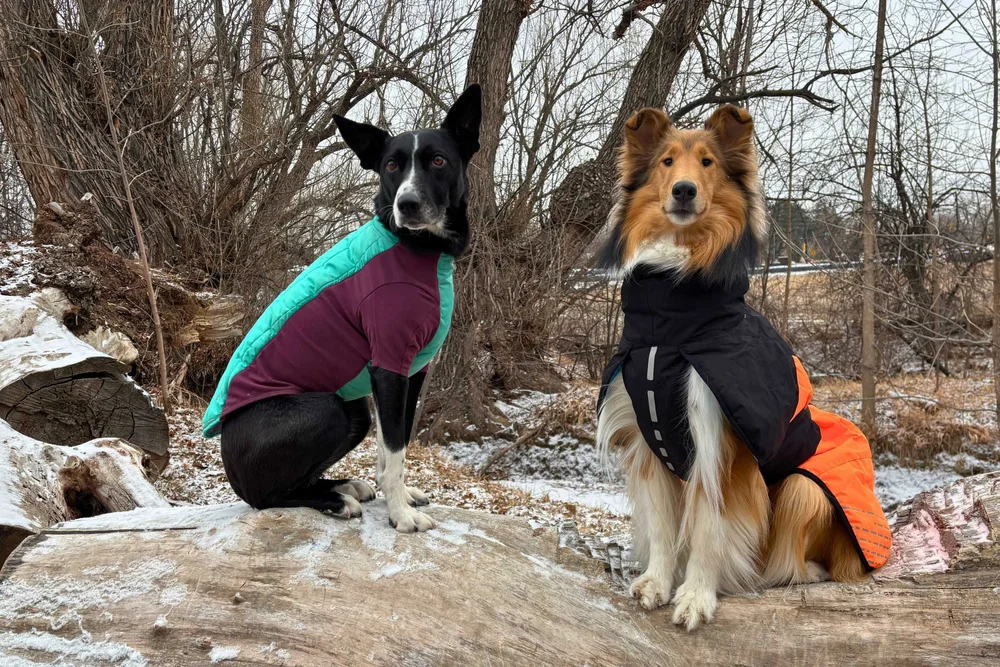
Not all dogs need a sweater, but many benefit from extra warmth. A well-fitted dog jacket or sweater can shield your furry friend from biting cold and wind. Look for water-resistant materials if snow or rain is expected.
Boots protect paws from ice, salt, and frostbite. If your dog hasn’t worn boots before, introduce them slowly to avoid discomfort. You might be surprised how much your pet appreciates paw protection once they get used to it.
Shelter Options
Your dog needs a warm, dry place to escape the cold. If your dog stays outdoors even briefly, provide an insulated doghouse that blocks wind and traps heat. Elevate it off the ground to prevent moisture buildup underneath.
Inside your home, create a cozy corner with blankets or a heated pet bed. Even a simple thick mat can make a big difference. Ask yourself: does your dog have a clear, warm retreat to rest when temperatures drop?
Warming Techniques
Heat packs designed for pets can add extra warmth during walks or resting times. Always check the temperature and avoid direct skin contact to prevent burns. You can also use warm towels or blankets after your dog comes in from the cold.
Exercise generates body heat, so short active play sessions can help keep your dog warm. However, be mindful of signs of cold stress like shivering or lethargy. How often do you check your dog’s comfort during cold weather outings?
Nutrition And Hydration
Nutrition and hydration play key roles in helping dogs survive cold weather. Low temperatures increase energy use. Dogs need more calories to keep warm. Proper hydration supports their body functions in the cold. Adjusting diet and water intake can improve their comfort and health during chilly days.
Diet Adjustments For Cold
Increase your dog’s calorie intake in cold weather. High-quality proteins and fats provide lasting energy. Add warm, easily digestible foods to their meals. Avoid sudden diet changes to prevent upset stomach. Small, frequent meals help maintain energy levels.
Hydration Importance
Cold weather can reduce a dog’s thirst. Dogs may drink less even if they need water. Provide fresh, unfrozen water often. Use heated water bowls to prevent freezing. Proper hydration keeps joints flexible and organs healthy.
Supplements For Cold Weather
Supplements can support your dog’s health in cold weather. Omega-3 fatty acids help keep skin and coat healthy. Glucosamine supports joint health and mobility. Consult your vet before adding supplements. Choose products made for dogs and follow dosage instructions.
Emergency Responses
When your dog faces freezing temperatures like 28-degree weather, knowing how to respond quickly can make all the difference. Emergencies involving cold exposure require calm, clear actions to protect your pet’s health. Understanding what to do right away can prevent serious injury or worse.
First Aid For Cold Injuries
Start by moving your dog to a warm, dry area immediately. Wrap them in blankets or towels to help raise their body temperature gradually. Avoid using direct heat sources like heating pads or hot water bottles, as these can cause burns or shock.
Check for signs of frostbite—pale, cold skin, especially on ears, paws, and tail. Gently warm these areas with your hands or warm (not hot) water. If your dog is shivering heavily or seems weak, offer small amounts of lukewarm water to keep them hydrated.
When To Seek Veterinary Help
Cold injuries can worsen fast, so watch your dog closely. If they show symptoms like persistent shivering, lethargy, difficulty breathing, or pale gums, it’s time to get professional help. Frostbite or hypothermia require immediate veterinary care to prevent tissue damage and other complications.
Don’t wait if your dog stops responding or seems disoriented. Vets can provide oxygen, IV fluids, and medications that you can’t offer at home. Remember, cold-related emergencies are not just about feeling chilly—they can be life-threatening.
Preventing Future Incidents
Think about what led to the cold exposure and how to avoid it next time. Providing insulated shelters, limiting outdoor time during extreme cold, and using doggy sweaters can protect your pet. Regularly check your dog’s paws for cracks or ice buildup after walks.
Ask yourself: Are you prepared to recognize early signs of cold stress? Taking steps before the weather turns harsh can keep your dog safe and comfortable. Prevention is always easier than emergency treatment.
Frequently Asked Questions
How Long Can Dogs Tolerate 28-degree Weather?
Dogs can typically tolerate 28-degree weather for short periods. However, factors like breed, size, and health affect their tolerance. It’s crucial to monitor them closely for signs of discomfort. Always ensure they have a warm shelter and limit their time outdoors in cold temperatures to prevent hypothermia.
What Are Signs Of A Dog Being Too Cold?
Signs of a dog being too cold include shivering, whining, and lethargy. They may also lift their paws off the ground. It’s essential to bring them inside if they show these signs. Prolonged exposure to cold can lead to serious health issues like hypothermia.
Can Small Dogs Handle Cold Weather Better?
Small dogs generally struggle more in cold weather due to their size and lack of body fat. Breeds with short fur are especially vulnerable. It’s advisable to dress them in warm clothing and limit their outdoor exposure. Always provide a warm place indoors for them to rest.
Should Dogs Wear Coats In Cold Weather?
Yes, many dogs benefit from wearing coats in cold weather, especially small or short-haired breeds. A coat helps retain body heat and provides an extra layer of protection. Ensure the coat fits well and doesn’t restrict movement. Always prioritize your dog’s comfort and safety.
Conclusion
Dogs can survive 28-degree weather for a limited time. Small or short-haired dogs feel cold faster. Always watch for signs of discomfort or shivering. Provide shelter and warm bedding when outside. Never leave dogs in cold weather too long. Protect their paws from ice and salt.
Regular breaks inside help keep them safe. Stay alert and keep your dog warm and healthy. Cold weather can be dangerous without proper care. Your dog depends on you to stay comfortable and safe.


