Have you ever wondered how tiny pillbugs manage to survive when the cold weather sets in? These small creatures seem fragile, yet they thrive even as temperatures drop.
Understanding their survival tricks can surprise you and change the way you see these little bugs around your garden. Keep reading, and you’ll discover the clever ways pillbugs protect themselves from the chill—and why their secrets might just inspire you to handle your own challenges better.
Pillbug Basics
Pillbugs are small creatures that many people notice in their gardens. These tiny animals have unique features that help them survive in different environments. Understanding their basics helps explain how they endure cold weather.
Physical Traits
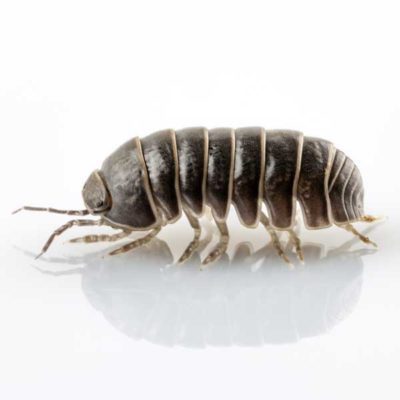
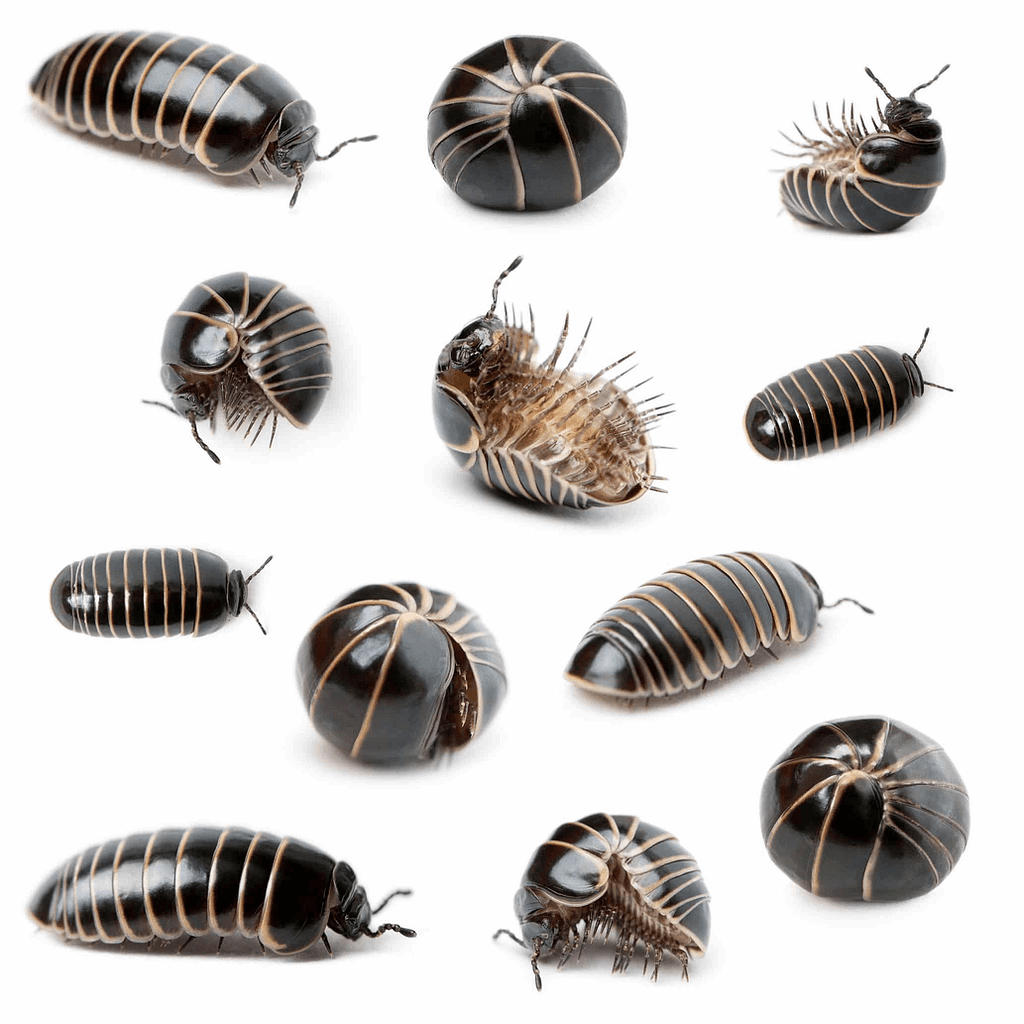
Pillbugs have a hard, rounded shell that protects their soft bodies. Their bodies are divided into segments, allowing them to curl into a tight ball. This ball shape helps keep moisture inside and shields them from threats. They have seven pairs of legs that help them move quickly across the ground. Their antennae help them sense their surroundings and find food.
Natural Habitats
Pillbugs live mostly in damp, dark places. They prefer soil rich in organic matter, such as leaf litter and decaying wood. Gardens, forests, and under rocks are common homes. These locations provide moisture and shelter, which are vital for their survival. Pillbugs avoid dry and cold areas unless they find a safe spot to hide.

Credit: moxieservices.com
Cold Weather Challenges
Pillbugs face many challenges during cold weather. Their survival depends on how they handle freezing temperatures and other winter dangers. Understanding these challenges helps us see how resilient these small creatures are.
Effects Of Low Temperatures
Low temperatures slow down pillbugs’ body functions. Their movements become sluggish. Cold can cause ice to form inside their bodies. This ice can damage their cells and tissues. To avoid this, pillbugs enter a state of dormancy. They reduce activity and conserve energy. Some produce natural antifreeze chemicals to protect themselves.
Common Threats In Winter
Winter brings many risks for pillbugs. Food becomes scarce, making it hard to survive. Water sources may freeze, causing dehydration. Predators can easily find pillbugs hiding under leaves or soil. Freezing and thawing cycles can crush their shelters. Pillbugs often seek protection in tight spaces to avoid harm.
Survival Strategies
Pillbugs face harsh cold weather with clever survival strategies that help them stay alive when temperatures drop. Understanding how they manage to endure these conditions can give you insight into the resilience of small creatures and maybe even inspire ways to protect delicate plants or pets during winter.
Seeking Shelter
Pillbugs don’t just stay out in the open when cold weather arrives. They actively search for safe, hidden places where temperatures stay more stable. You might find them burrowed under logs, inside leaf litter, or beneath stones, which provide insulation from the frost.
Have you noticed how pillbugs disappear once the temperature falls? Their choice of shelter isn’t random—it’s a survival tactic to avoid freezing. These spots keep them from drying out and protect them from wind chill, which can be deadly for such small creatures.
Behavioral Adaptations
Beyond finding shelter, pillbugs change their behavior to survive the cold. They slow down their activity, almost entering a state of dormancy that conserves their energy. This is similar to how you might feel sluggish on a chilly day, but for pillbugs, it’s a life-saving strategy.
They also cluster together in groups to share body warmth. This communal behavior reduces heat loss and increases their chances of surviving until the weather improves. Have you ever seen a cluster of pillbugs under a damp rock? That’s more than just coincidence—it’s teamwork for survival.

Credit: moxieservices.com
Physiological Adaptations
Pillbugs have special body changes to survive cold weather. These changes help them avoid freezing and keep their bodies working. Their survival depends on how well they adjust inside their cells and organs. This section explains key ways pillbugs handle cold through physiological adaptations.
Antifreeze Compounds
Pillbugs produce antifreeze compounds in their body fluids. These chemicals lower the freezing point of their bodily liquids. This stops ice crystals from forming inside their cells. Ice crystals can damage cell walls and cause death. Antifreeze compounds protect the pillbugs’ tissues during freezing temperatures.
Common antifreeze substances include sugars and proteins. These molecules bind to ice crystals and prevent growth. They keep the pillbugs’ cells flexible and safe even in frost. This adaptation is crucial for pillbugs living in cold climates.
Metabolic Adjustments
Pillbugs change their metabolism to survive the cold. They slow down their energy use to save resources. Lower metabolism means less heat and energy loss. Their body processes become more efficient and conserve fuel.
During cold times, pillbugs reduce movement and activity. This helps them use less oxygen and food. They rely on stored energy to maintain vital functions. Metabolic adjustments allow pillbugs to endure long cold spells without damage.
Role Of Moisture
Moisture plays a crucial role in how pillbugs survive cold weather. These small creatures rely heavily on their environment’s humidity to maintain essential bodily functions. Without enough moisture, pillbugs struggle to stay alive, especially during chilly months when water can be scarce.
Importance Of Humidity
Pillbugs need high humidity to keep their bodies from drying out. Their skin is permeable, meaning water can easily escape if the air is too dry. You might notice pillbugs gathering under damp leaves or logs—that’s because these spots provide the moisture they need.
Have you ever wondered why pillbugs disappear indoors during winter? It’s often because indoor air tends to be dry, which makes survival difficult for them. Keeping the air humid can actually help them stay active even in colder weather.
Water Conservation Techniques
Pillbugs have clever ways to conserve water when moisture is limited. They curl into a tight ball, a behavior called conglobation, which reduces surface area and helps retain moisture. This simple act can be a lifesaver during cold, dry spells.
Besides curling up, pillbugs reduce their activity levels to conserve energy and water. They also choose microhabitats with stable moisture levels, like soil cracks or under stones. If you want to observe them, look in these hidden damp places where they hide out to survive the cold.
Comparisons With Other Insects
Understanding how pillbugs survive cold weather becomes even more interesting when you compare them to other insects. Many insects face similar challenges during freezing temperatures, yet their strategies can vary widely. Looking at these differences can help you appreciate how pillbugs are uniquely adapted to chilly conditions.
Similar Cold Survival Methods
Like many insects, pillbugs enter a state of dormancy to endure the cold. This is similar to how ladybugs and some beetles reduce their activity and metabolism to conserve energy. You might notice these insects hiding under leaves or bark, just as pillbugs seek shelter under rocks or logs.
Another shared survival tactic is producing antifreeze-like chemicals in their bodies. These substances lower the freezing point of their bodily fluids, preventing ice crystals from forming. You can find this adaptation in insects such as the woolly bear caterpillar and certain species of beetles.
Unique Pillbug Features
Pillbugs stand out because they are crustaceans, not true insects, which influences their cold-weather survival. Unlike many insects, pillbugs rely heavily on moisture to survive, so they avoid freezing by staying in damp environments that don’t freeze easily.
They also have a hard, segmented exoskeleton that allows them to roll into a tight ball. This behavior, called conglobation, helps reduce heat loss and protects them from harsh conditions. Have you ever seen a pillbug curl up like that? It’s a clever defense that few other insects use.
Additionally, pillbugs can tolerate colder temperatures better than many insects because of their ability to regulate water loss. This makes you wonder—could managing moisture be just as crucial as managing temperature for survival in the cold?
Research Findings
Research into how pillbugs survive cold weather has revealed fascinating adaptations that allow these small creatures to endure harsh conditions. Scientists have studied their behavior, physiology, and environmental interactions to understand what makes their survival possible. These findings provide valuable insights not only about pillbugs but also about broader ecological systems.
Recent Studies
Recent experiments show that pillbugs use a combination of behavioral and biochemical strategies to survive freezing temperatures. They tend to burrow deeper into the soil or leaf litter, where temperatures are more stable. Some studies found that pillbugs produce cryoprotectants—natural compounds that prevent ice crystals from forming inside their cells.
One surprising discovery was that pillbugs can enter a state similar to hibernation, slowing down their metabolism to conserve energy. This helps them endure long periods without food during winter. Researchers also observed that pillbugs adjust their moisture levels, as too much water inside their bodies can be deadly in freezing conditions.
Implications For Ecology
Understanding pillbugs’ cold survival strategies gives you a glimpse into the resilience of soil ecosystems during winter. Since pillbugs contribute to decomposition, their ability to survive cold spells helps maintain nutrient cycling year-round. This means the soil remains fertile even after harsh winters, supporting plant growth in spring.
Have you ever wondered how small animals influence the health of your garden? Pillbugs play a vital role by breaking down organic matter, which enriches the soil. If cold weather wiped them out, the entire ecosystem could slow down, affecting other wildlife and plant life.
These findings encourage you to think about how protecting tiny creatures like pillbugs can have a big impact. It also raises questions about how climate change might affect their survival and, in turn, the ecosystems they support. What steps can you take to help create a safe habitat for these important decomposers through winter?
Credit: abbotsfordpestcontrol.com
Frequently Asked Questions
How Do Pillbugs Protect Themselves From Cold?
Pillbugs protect themselves from cold by seeking shelter under rocks or logs. They burrow into the soil to avoid freezing temperatures. This behavior helps them maintain a stable and warm environment. Pillbugs also group together, which provides additional warmth and protection from the cold.
Can Pillbugs Survive Freezing Temperatures?
Pillbugs cannot survive freezing temperatures for long periods. They rely on finding warm, sheltered environments to avoid freezing. Their natural habitats, like under rocks or in decaying wood, help them stay insulated. This strategy allows them to endure colder weather, even if they can’t survive extreme cold.
What Do Pillbugs Eat During Winter?
During winter, pillbugs consume decaying plant matter and organic debris. They prefer environments rich in these food sources. Their diet helps them maintain energy and survive cold months. By staying near abundant food sources, pillbugs ensure they have the nutrients needed to endure winter.
Do Pillbugs Hibernate In Winter?
Pillbugs do not hibernate but become less active in winter. They seek shelter in warm, moist environments to conserve energy. This reduced activity helps them survive when temperatures drop. By minimizing movement, pillbugs effectively manage their energy reserves during cold weather.
Conclusion
Pillbugs survive cold weather by slowing down their body processes. They find shelter under leaves, rocks, and soil to stay warm. These small creatures can enter a state like sleep to save energy. They also produce special chemicals that stop ice from forming inside their bodies.
This helps them avoid damage from freezing. Pillbugs are tougher than they look. Their survival tricks help them live through winter’s cold. Understanding these habits shows how nature adapts to harsh conditions. Simple but smart.


