Imagine standing outside when the temperature drops far below zero. Your breath freezes in the air, and every step feels like a challenge.
Now, think about sled dogs running strong and fast in these harsh conditions. How do they survive and even thrive when it feels impossible for humans? If you’ve ever wondered how these incredible animals handle the cold, you’re about to discover the secrets behind their survival.
Keep reading, and you’ll learn what makes sled dogs true champions of the frozen wilderness—and how their bodies and instincts protect them against the cold you can barely imagine.
Sled Dogs’ Cold Adaptations
Sled dogs are true champions of the cold. Their bodies have evolved to handle temperatures that would leave most animals shivering. Understanding their cold adaptations helps you appreciate how they keep moving and thriving in sub-zero weather.
Thick Double Coats
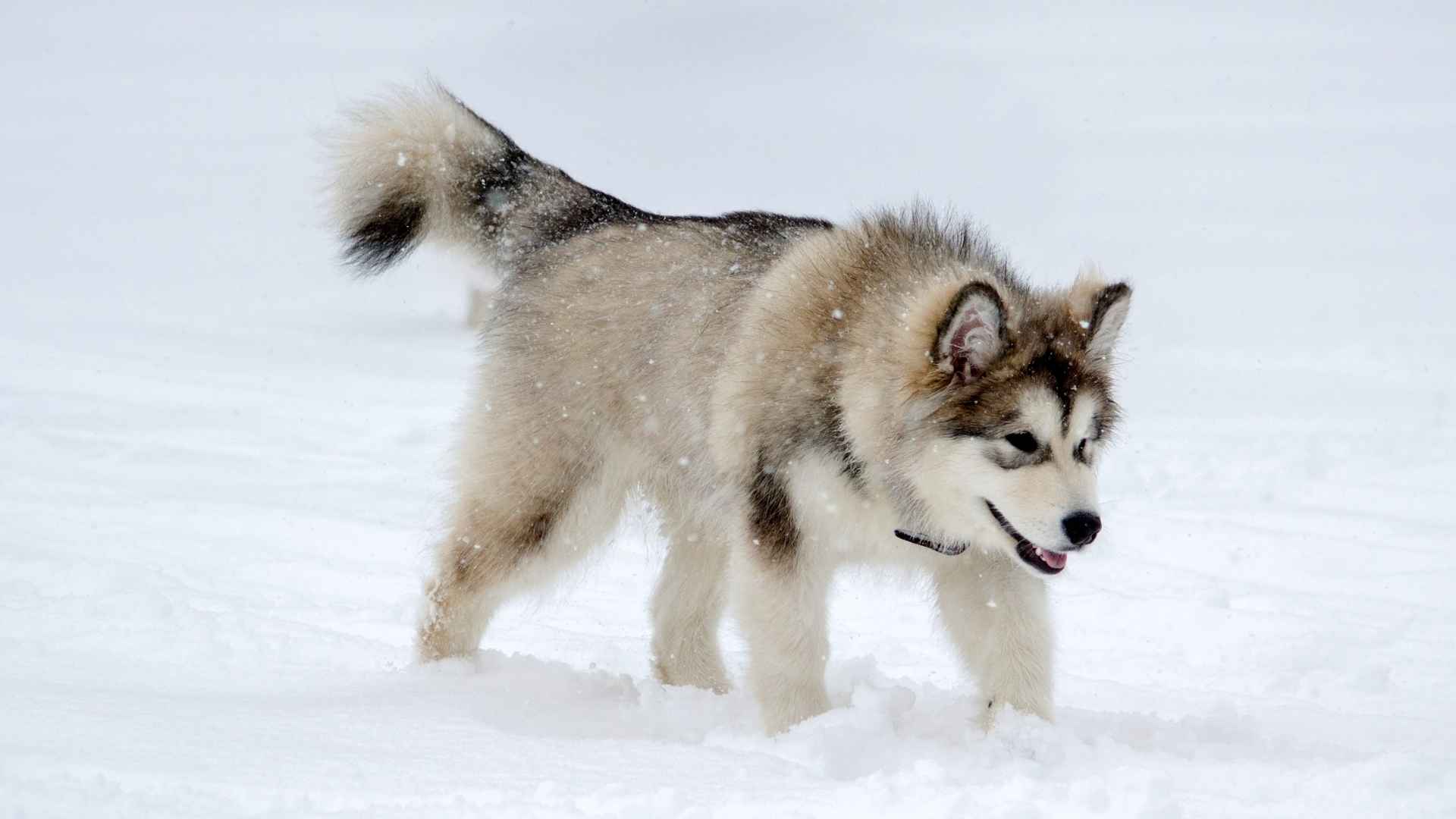
Each sled dog sports a dense double coat that acts like natural insulation. The outer layer repels snow and water, keeping the inner layer dry and warm. This combination traps heat close to the skin, preventing the cold from penetrating.
Have you ever noticed how a wet dog shivers more? The double coat prevents this by staying dry even in snowy conditions. This means your sled dog can run for miles without losing body heat.
Efficient Metabolism
Sled dogs burn energy like little engines. Their metabolism speeds up to generate extra heat, turning food quickly into fuel and warmth. This is why they need high-calorie diets during cold runs.
Think about your own body when you’re freezing—does eating warm food help? For sled dogs, this metabolic boost is crucial to sustain their energy and keep their core temperature steady. It’s a powerful survival tool that keeps them going.
Paws Built For Ice
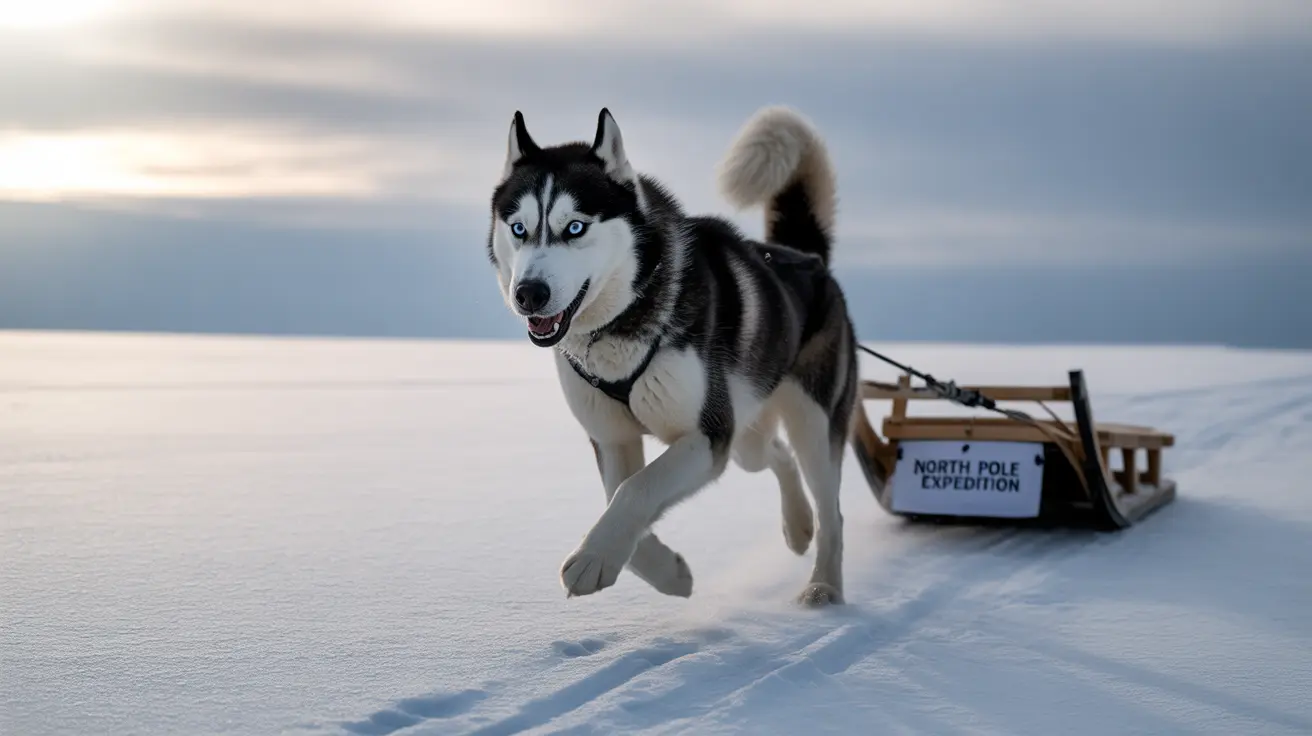
The paws of sled dogs are specially designed to handle ice and snow. Thick pads cushion their steps, while fur between the toes adds extra warmth and traction. This prevents frostbite and slipping on icy trails.
Imagine walking on ice without proper shoes. Sled dogs don’t need shoes because their paws adapt naturally. Next time you see them sprinting across frozen landscapes, remember how their paws protect them every step of the way.
Diet And Nutrition
Keeping sled dogs fueled in sub-zero temperatures is a science and an art. Their diet and nutrition are carefully planned to meet the extreme energy demands of pulling sleds through icy landscapes. What you feed your dogs can make the difference between a successful run and exhaustion in the cold.
High-calorie Intake
Sled dogs burn a tremendous amount of energy, sometimes up to 10,000 calories a day. Their meals need to reflect this high demand to maintain strength and endurance. Feeding them multiple times a day with nutrient-dense foods helps sustain their energy levels over long distances.
Think about your own energy needs after a tough workout. Would a simple snack do the trick? Probably not. Sled dogs need meals rich in calories to keep up with the relentless cold and physical strain.
Fat As Primary Fuel
Fat is the powerhouse in a sled dog’s diet. It provides more than double the energy per gram compared to proteins or carbohydrates. This makes fat the most efficient fuel source for dogs working in freezing conditions.
Dogs convert fat into energy slowly, which helps them sustain activity over hours without crashing. You might notice many mushers feeding their dogs fish oil, tallow, or other fat-rich foods to boost stamina and warmth.
Hydration In Freezing Temps
Water is just as important as food, but keeping sled dogs hydrated in freezing weather can be tricky. Cold temperatures reduce thirst, but dehydration still happens, especially with heavy exercise.
Offering warm water encourages dogs to drink more and prevents their muscles from cramping. Have you ever felt sluggish when dehydrated? Your dogs feel the same—hydration directly impacts their performance and recovery.
Behavioral Survival Tactics
Sled dogs face extreme cold every day. Their survival depends on smart behaviors. These behaviors help them keep warm and save energy. They act in ways that protect their bodies from freezing.
Behavioral survival tactics are simple but effective. They work together with their thick fur and strong bodies. These tactics include grouping closely, managing rest times, and staying active.
Huddling For Warmth
Sled dogs gather close to share body heat. This reduces heat loss to the cold air. Dogs curl up in a tight circle, covering each other’s vulnerable parts. This group warmth is much stronger than staying alone.
Huddling helps them survive long, freezing nights. It also keeps their paws and noses warmer. The dogs often take turns being on the outside of the group.
Resting Strategies
Rest is crucial for sled dogs to save energy. They rest in sheltered spots, shielded from wind. Dogs find snow or ice areas that block cold gusts. Rest breaks are short but regular to avoid getting too cold.
During rest, dogs often curl their tails around their faces. This simple act protects their noses and mouths from frostbite. Their bodies slow down to conserve energy but stay ready to move again.
Active Movement Benefits
Movement creates body heat and keeps blood flowing. Sled dogs stay active between rests to avoid freezing. Running or walking warms their muscles and prevents stiffness. Active dogs can better resist frostbite and hypothermia.
Movement also helps them find food and water under snow. It keeps their minds alert and focused on the task. Active behavior is a key part of their cold survival plan.

Credit: apukkaresort.fi
Training And Conditioning
Training and conditioning are essential for sled dogs to thrive in freezing temperatures. Their bodies need to adapt not just physically but mentally to endure harsh, sub-zero conditions. This process takes time, patience, and a carefully structured routine tailored to each dog’s unique needs.
Gradual Cold Exposure
Introducing sled dogs to cold weather slowly helps their bodies adjust without shock. Start with short outdoor sessions in cool weather, then increase duration and lower the temperature bit by bit.
This gentle approach lets their fur and skin toughen naturally. It also improves circulation and helps prevent frostbite.
Have you noticed how dogs raised in warm climates react differently to cold compared to those from colder areas? This shows how vital gradual exposure is for building resilience.
Building Endurance
Endurance training prepares sled dogs to pull heavy loads over long distances despite freezing cold. This includes daily runs that grow longer and more intense over time.
Mix up the terrain and add weight gradually to strengthen muscles and boost stamina. Don’t forget rest days—overtraining can hurt more than help.
Tracking progress with a log helps you spot improvements and avoid pushing too hard. What signs do you look for to know your dog is ready to step up their training?
Mental Toughness
Cold weather challenges dogs mentally as much as physically. Training includes teaching them to stay calm and focused despite wind, snow, or icy conditions.
Use consistent commands and positive reinforcement to build confidence. Expose them to distractions and new environments to sharpen their concentration.
Remember, a strong mindset keeps sled dogs motivated through tough stretches. How do you encourage your dog to stay calm when the cold gets intense?
Protective Gear And Shelter
Sled dogs face extreme cold temperatures, often below zero degrees. Their survival depends on protective gear and proper shelter. These help keep their bodies warm and safe from harsh winds. Careful attention to their needs ensures they stay healthy and strong during long, cold journeys.
Booties And Jackets
Booties protect dogs’ paws from ice and rough snow. They prevent cuts and frostbite. Jackets keep their core warm by blocking cold air. These are made from insulated, lightweight materials. Both booties and jackets must fit well to avoid discomfort.
Windbreaks And Shelters
Windbreaks shield dogs from icy wind on the trail. They can be natural, like trees, or man-made. Shelters provide a safe place to rest and warm up. They block cold air and hold in body heat. Proper shelters reduce the risk of hypothermia and frostbite.
Resting Areas On The Trail
Rest stops are planned for dogs to recover energy. These areas offer protection from wind and snow. Mushers often use portable shelters or build snow walls. Dogs relax, eat, and hydrate here to stay strong. Good rest spots improve their endurance and safety.

Credit: www.petscare.com
Health Monitoring In Extreme Cold
Health monitoring is vital for sled dogs in freezing temperatures. Their bodies face constant challenges against harsh cold. Close observation helps catch early signs of trouble. It ensures dogs stay strong and safe during their tough journeys.
Recognizing Frostbite
Frostbite happens when skin and tissue freeze. Common areas affected are ears, paws, and tail tips. Watch for pale or gray skin and swelling. The dog may lick or bite the cold spots. Early detection prevents serious damage and pain.
Preventing Hypothermia
Hypothermia occurs when body temperature drops too low. Signs include shivering, weakness, and slow breathing. Keep dogs dry and sheltered during rest. Use insulated bedding and wind protection. Regular breaks help dogs warm up and recover.
Regular Vet Checks
Frequent veterinary visits catch health problems early. Vets check for frostbite, infections, and overall condition. They recommend vaccines and proper nutrition for cold weather. Regular checkups keep sled dogs ready for extreme cold adventures.
Credit: www.petscare.com
Frequently Asked Questions
How Do Sled Dogs Stay Warm In Freezing Temperatures?
Sled dogs have thick double-layered coats that insulate against the cold. Their fur traps air, creating warmth. Additionally, their metabolic rate is high, generating body heat. Dogs curl up to conserve warmth, covering their noses with their tails. This adaptation helps them survive in temperatures well below freezing.
What Do Sled Dogs Eat In Cold Weather?
In cold weather, sled dogs consume high-calorie diets to maintain energy. Their meals often include protein-rich foods like fish and meat, providing essential nutrients. Fat is crucial for warmth and energy. Dog mushers ensure hydration, mixing food with water to prevent dehydration.
Proper nutrition is vital for sled dogs’ survival.
How Do Sled Dogs Maintain Energy In Cold?
Sled dogs maintain energy through a high-calorie diet rich in proteins and fats. This diet fuels their metabolism, providing the necessary energy. Frequent feeding ensures sustained energy levels during long runs. Their bodies efficiently convert food into energy, enabling them to endure harsh weather and long distances.
What Roles Do Sled Dogs Perform In Teams?
Sled dogs perform specific roles based on their abilities. Lead dogs navigate and set the pace. Swing dogs assist in turns, while team dogs provide power. Wheel dogs, closest to the sled, handle weight and support. Each role is crucial, ensuring efficient team movement and survival in extreme conditions.
Conclusion
Sled dogs stay warm with thick fur and strong bodies. They eat a lot to keep energy high in cold weather. Their paws have special pads to grip ice and snow. Dogs huddle close to share warmth during rest times.
Their training helps them handle freezing temperatures well. These traits let sled dogs work hard in harsh cold. Their survival is a mix of nature and care. Understanding this shows how amazing these animals truly are.


