Are you ready to capture your audience’s attention with a survival kit demonstration speech? The key to making your presentation memorable starts with a strong thesis.
Your thesis sets the stage and tells your listeners exactly what they will learn and why it matters. You’ll discover simple steps to create a clear, powerful thesis that keeps your speech focused and your audience hooked from start to finish.
Keep reading, and you’ll learn how to turn your survival kit topic into a compelling story that everyone will remember.
Credit: www.cureus.com
Choosing Essential Items
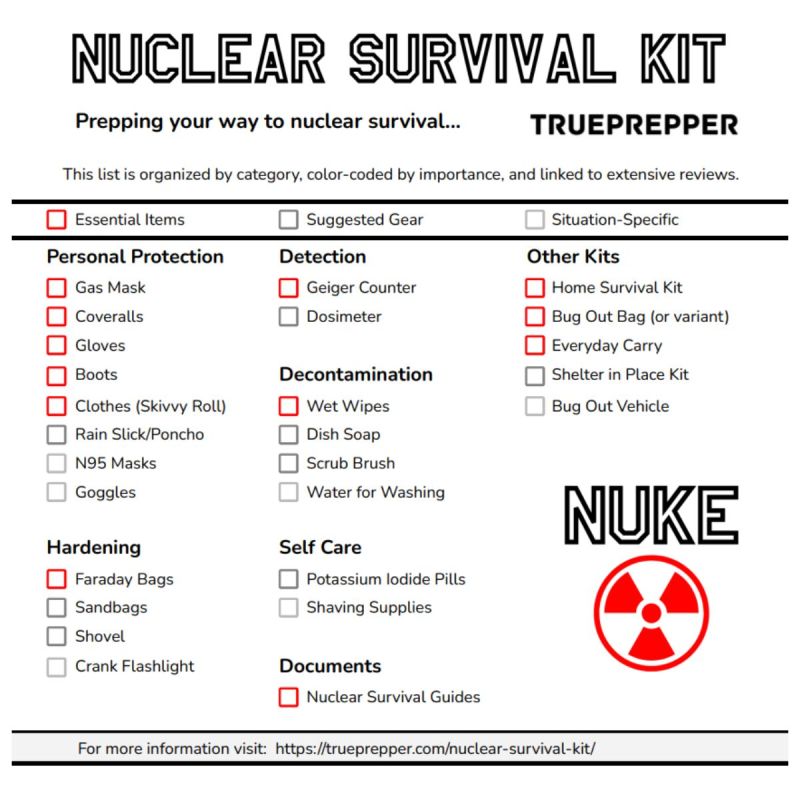
Choosing the right items for a survival kit is crucial. Each item must serve a clear purpose. The goal is to prepare for emergencies with the most useful tools. This helps you stay safe, healthy, and comfortable. Focus on essentials that cover basic needs like shelter, food, and first aid.
Basic Survival Tools
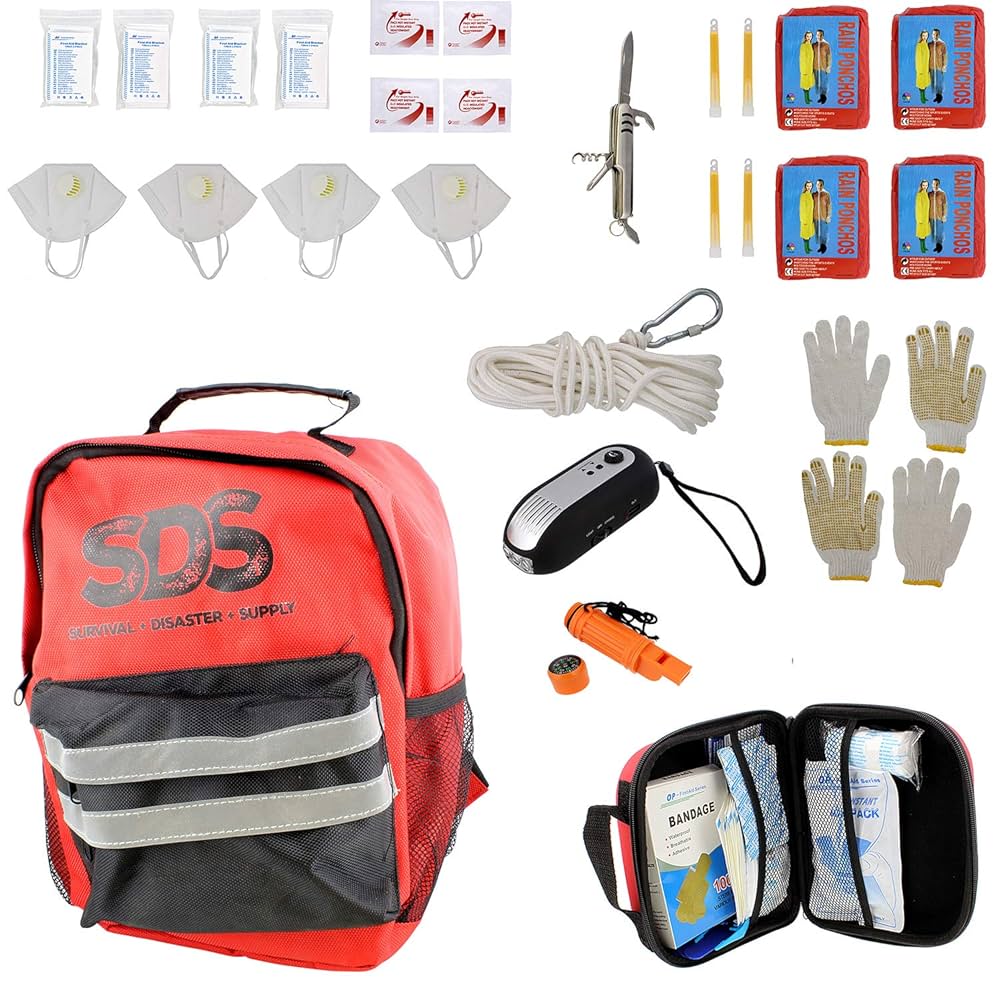
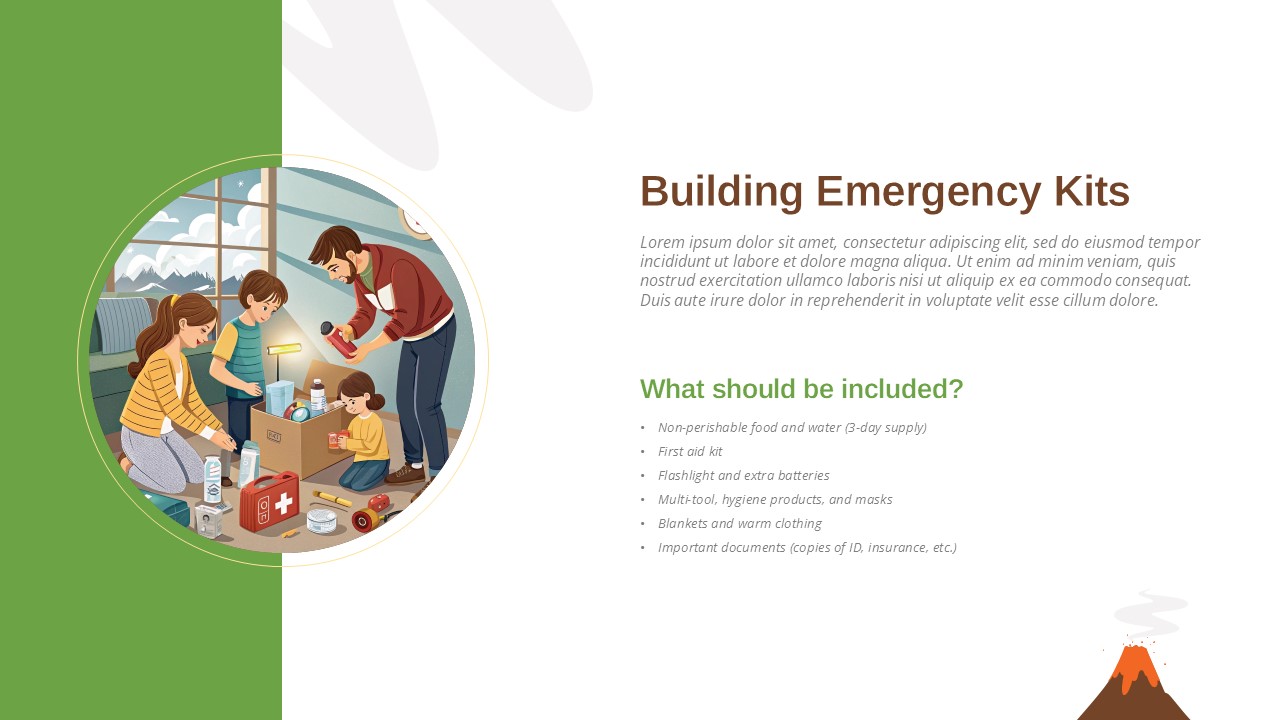
Basic tools are the foundation of any survival kit. Include items that help with navigation, fire, and protection. A reliable knife is a must-have. A compass helps you find direction. Waterproof matches or a lighter can start a fire easily. A multi-tool offers several functions in one device.
Food And Water Supplies
Food and water keep your body alive. Pack non-perishable, high-energy snacks like nuts and dried fruit. Water should be clean and stored in durable containers. Water purification tablets or filters help make unsafe water drinkable. Always plan for more water than you think you need.
First Aid Materials
First aid items are vital for treating injuries. Include bandages, antiseptic wipes, and adhesive tape. Pain relievers and allergy medicine can ease discomfort. Tweezers and scissors help with small tasks. Keep the kit organized for quick access during emergencies.
Clothing And Shelter Gear
Proper clothing protects you from weather and environment. Pack a waterproof jacket and warm layers. A compact emergency blanket or tarp can provide shelter. Gloves and a hat guard against cold and sun. Choose lightweight items that fit easily in your kit.
Organizing The Kit
Organizing your survival kit effectively can make a huge difference in an emergency. If your supplies are scattered or bulky, you might waste precious time searching for what you need. Thoughtful organization ensures every item has a place and you can access it quickly under pressure.
Compact Packing Tips
Start by choosing containers that fit your space but still hold all essentials. Use small, resealable bags to group similar items like first aid supplies or fire starters. Rolling clothes instead of folding saves space and reduces wrinkles.
Think about what you really need—avoid packing duplicates or non-essential items. Have you tried vacuum-sealing food or clothing? It dramatically reduces bulk and protects from moisture.
Categorizing Supplies
Sort your gear into clear categories: food, water, shelter, tools, and first aid. Use color-coded bags or labels to help you spot items immediately. This method prevents confusion when you’re under stress.
Place frequently used items like a flashlight or multi-tool in an easy-to-reach pocket. Less urgent items can go deeper inside your pack. Does your kit layout match how you’d use it in a real situation?
Weight Distribution Strategies
Proper weight distribution prevents fatigue and improves mobility. Keep heavy items close to your back and centered to maintain balance. Lighter, bulkier items belong near the top or edges.
If you carry the kit on your back, adjust straps to keep the load snug but comfortable. Try packing your kit, then take a short walk—how does it feel? Adjust based on that real feedback to avoid back pain or awkward shifting.
Demonstration Techniques
Mastering demonstration techniques is key to delivering a survival kit speech that sticks with your audience. How you present each step can make your message clear, memorable, and actionable. The goal is to keep your listeners curious and involved from start to finish.
Engaging Your Audience
Start by connecting with your audience right away. Ask questions like, “Have you ever wondered what to grab if you had only five minutes to evacuate?” This simple query sparks curiosity and makes your speech relevant to their lives.
Use your tone and body language to show excitement and confidence. Moving around the space or making eye contact helps keep people tuned in. Remember, your energy sets the mood.
Step-by-step Presentation
Break down the survival kit into clear, manageable steps. Instead of rushing through the items, explain why each one matters and how to use it effectively.
For example, when talking about a water purification method, demonstrate the process slowly. Your audience will appreciate understanding not just what to do, but how to do it correctly.
Using Visual Aids
Visual aids turn abstract ideas into something tangible. Showing actual items from your survival kit or using diagrams can make a big difference in retention.
- Display the kit and pull out items one by one as you discuss them.
- Use charts to compare different tools or show their uses.
- Consider short videos or images to illustrate tricky steps.
Interactive Elements
Getting your audience involved boosts their attention and learning. Ask volunteers to try assembling a mini survival kit or demonstrate a skill you just explained.
You might also include quizzes or quick challenges to test understanding. This not only reinforces your points but also makes the experience memorable.
Think about how you can turn your demonstration into an active, hands-on session. What small actions can your audience take right now to feel more prepared?

Credit: prezentium.com
Safety And Maintenance
Safety and maintenance keep your survival kit ready and reliable. A well-maintained kit ensures you can trust every item during an emergency. Neglecting this part can lead to broken tools, expired supplies, or misplaced essentials. Regular attention extends the life of your kit and improves your preparedness.
Regular Kit Checks
Check your survival kit every three to six months. Open the kit and inspect each item carefully. Look for damage, rust, or wear on tools and equipment. Make sure all items are clean and functional. Note any missing parts or low supplies. A checklist helps track what needs attention quickly.
Replacing Expired Items
Food, water, and medicines expire over time. Replace these items before they become unsafe. Check expiration dates on all perishable goods. Swap out old batteries for fresh ones to keep devices working. Keep your kit stocked with fresh supplies after use or testing.
Storage Best Practices
Store your survival kit in a cool, dry place. Avoid direct sunlight to prevent damage to plastics and electronics. Use waterproof containers or bags to protect contents from moisture. Keep the kit accessible but safe from pets or children. Label your kit clearly for quick identification.
Customizing For Different Scenarios
Customizing your survival kit to fit different scenarios ensures you are prepared for the specific challenges you might face. Each environment demands unique tools and supplies, so tailoring your kit can make a critical difference in your safety and comfort. Think about where you’ll be and what risks are most likely—this focus will guide your choices.
Urban Survival Kits
In a city setting, your survival kit should focus on issues like power outages, civil unrest, or getting stuck without transportation. Include items such as a portable phone charger, a whistle for signaling, and a compact first aid kit tailored for cuts and scrapes. Consider adding a mask for air quality issues and some non-perishable snacks that are easy to carry.
Have you ever been caught in a blackout or heavy traffic jam? Those moments highlight the need for quick access to communication tools and basic supplies that keep you comfortable and safe.
Wilderness Survival Kits
When heading into the wilderness, your kit needs to handle exposure, navigation, and food scarcity. Pack a reliable fire starter, a sturdy knife, and a compact water filter. Don’t forget a map, compass, and emergency shelter—these can save your life if you get lost or the weather turns bad.
Think about the last time you spent time outdoors. Did you have the right gear to stay warm and hydrated? Adjusting your kit to the terrain and climate can prevent many common survival problems.
Emergency Vehicle Kits
Your car can become a lifeline during emergencies, so keep a kit that addresses breakdowns, accidents, and being stranded. Items like jumper cables, a flashlight with extra batteries, and reflective warning triangles are essential. Add blankets, a multi-tool, and bottled water to prepare for long waits or cold nights.
Have you ever been stuck on the side of the road with no help in sight? A well-stocked vehicle kit can turn a stressful situation into a manageable one.
Credit: www.slidekit.com
Frequently Asked Questions
What Is A Survival Kit Demonstration Speech Thesis?
A survival kit demonstration speech thesis provides a clear overview of your speech’s purpose. It introduces the topic, outlines the key points, and engages the audience. A strong thesis ensures your audience understands the importance of survival kits and what your demonstration will cover.
Why Create A Survival Kit Demonstration Speech?
Creating a survival kit demonstration speech educates your audience on emergency preparedness. It highlights essential items, explains their uses, and demonstrates proper organization. This speech can empower individuals to assemble effective survival kits, enhancing their safety during emergencies or disasters.
How To Structure A Survival Kit Speech Thesis?
To structure a survival kit speech thesis, begin with a compelling introduction. Clearly state the purpose and importance of survival kits. Outline the main components you’ll discuss. Conclude with a statement that captures the audience’s interest, encouraging them to learn more about survival kit preparation.
What Items Should Be In A Survival Kit?
A survival kit should include essential items like food, water, first-aid supplies, and tools. Add items for warmth, communication, and personal needs. Customize the kit based on specific scenarios or environments. Regularly update the kit to ensure all items are functional and relevant.
Conclusion
Creating a survival kit demonstration speech thesis helps organize your ideas clearly. It guides your speech and keeps your audience interested. Focus on key items and explain why they matter. Practice your speech to feel confident and speak smoothly. A strong thesis makes your message easy to follow.
This way, listeners understand how to prepare their own survival kits. Keep it simple and clear for the best impact. Your speech will be both helpful and memorable.