When disaster strikes, having the right food in your survival kit can make all the difference. You want to be prepared, but choosing what to buy can feel overwhelming.
What foods will keep you energized? Which ones will last the longest? This guide will help you pick the best options to keep you safe and strong when it matters most. Keep reading to discover simple, smart choices that fit your needs and give you peace of mind.
Your survival depends on what you pack—let’s make sure it’s the right stuff.
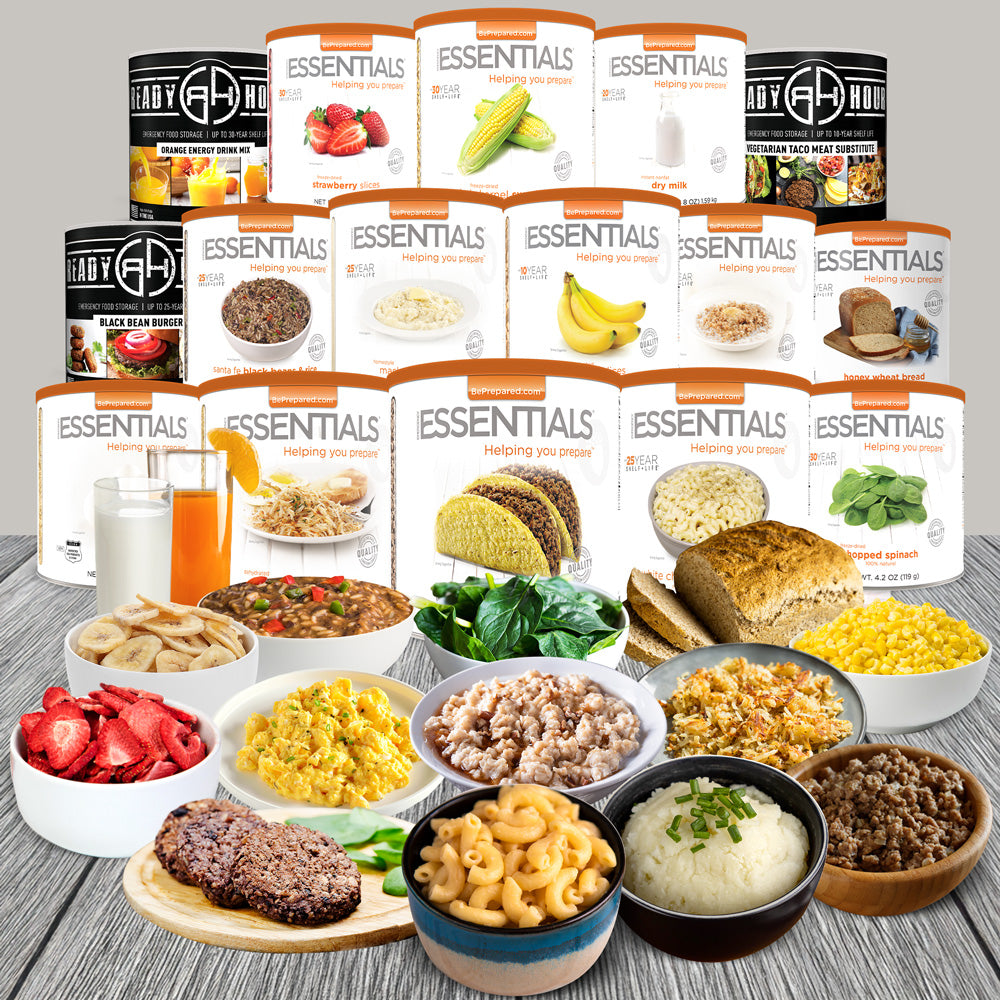
Credit: www.beprepared.com
Choosing Long-lasting Foods
Choosing long-lasting foods is essential for a reliable survival kit. These foods must stay fresh without refrigeration. They should provide energy and nutrients over time. Focus on items that resist spoilage and are easy to store.
Shelf-stable Staples
Shelf-stable staples form the foundation of any survival food supply. These include rice, pasta, beans, and oats. They have a long shelf life and require minimal preparation. Store them in airtight containers to keep pests away. These foods are affordable and versatile for many meals.
Freeze-dried Options
Freeze-dried foods retain most of their nutrients and flavor. Water is removed from the food, which stops bacteria growth. Meals like freeze-dried fruits, vegetables, and meats are lightweight. They rehydrate quickly and are easy to carry. Perfect for long-term storage and emergency use.
Canned Goods
Canned goods offer convenience and variety in a survival kit. They last for years without spoiling. Choose canned vegetables, fruits, meats, and soups. Look for low-sodium and BPA-free cans if possible. Store cans in a cool, dry place to maximize shelf life.

Credit: www.amazon.com
Nutrient-dense Selections
Nutrient-dense foods are essential for any survival kit. They provide the body with vital energy and support health during tough times. Choosing the right foods ensures you get enough nutrients in a small, easy-to-store package.
Focus on foods rich in protein, healthy fats, vitamins, and minerals. These nutrients help maintain strength and keep your immune system strong. Below are key selections to consider for each nutrient group.
Protein Sources
- Canned tuna and salmon – long shelf life and rich in protein
- Dried beans and lentils – excellent plant-based protein
- Powdered eggs – lightweight and versatile
- Jerky – dried meat with high protein content
- Peanut butter – good protein and easy to store
Healthy Fats
- Nuts and seeds – almonds, walnuts, sunflower seeds
- Olive oil – stable in storage and heart-healthy
- Coconut oil – long shelf life and energy-dense
- Chia seeds – contain omega-3 fatty acids
- Nut butters – provide fats and some protein
Vitamins And Minerals
- Dried fruits – apricots, raisins, and dates for vitamin C and iron
- Freeze-dried vegetables – preserve most vitamins and minerals
- Multivitamin tablets – supplement essential nutrients
- Seaweed snacks – rich in iodine and minerals
- Whole grains – brown rice and quinoa for B vitamins and fiber
Water And Hydration Aids
Water is the most important item in any survival kit. Staying hydrated keeps your body working well. It helps with energy, focus, and overall health. In emergencies, clean water may be hard to find. That is why carrying and storing water is critical. Hydration aids like electrolyte supplements also support your body. They replace minerals lost through sweat and stress. Preparing for hydration needs can improve your chances of staying strong and healthy.
Water Storage Tips
- Use food-grade containers for safe water storage.
- Store water in a cool, dark place to prevent spoilage.
- Seal containers tightly to avoid contamination.
- Label containers with the storage date.
- Rotate stored water every six months to keep it fresh.
- Consider collapsible water bags for space-saving.
- Keep extra water purification tablets or filters nearby.
Electrolyte Supplements
Electrolytes help balance fluids in your body. They include sodium, potassium, and magnesium. These minerals prevent dehydration symptoms like cramps and dizziness. Powdered electrolyte mixes are lightweight and easy to carry. Tablets or packets can dissolve in water quickly. Choose supplements without added sugar for better health. Store them in airtight containers to keep them dry. Using electrolytes during physical stress helps maintain energy and focus.
Special Dietary Considerations
Choosing the right food for your survival kit means thinking beyond just calories and shelf life. You need to consider special dietary needs that could affect you or your loved ones during an emergency. Missing this step can make a tough situation even harder, so it’s important to plan carefully and thoughtfully.
Allergy-friendly Foods
Food allergies can be life-threatening, so your survival kit must avoid common allergens like nuts, dairy, gluten, and shellfish if someone in your group is sensitive. Opt for items labeled “allergen-free” or check ingredient lists meticulously. Safe choices include rice cakes, canned vegetables, dried fruits without additives, and specially made allergy-friendly energy bars.
Have you thought about cross-contamination risks? Store allergen-free foods separately in sealed containers to prevent accidental exposure.
Vegetarian And Vegan Choices
If you or someone in your group follows a vegetarian or vegan diet, pack plant-based protein sources that last long and provide enough energy. Beans, lentils, quinoa, nuts, and seeds are excellent options. Don’t forget fortified plant milks or powdered alternatives for added nutrients.
Consider variety to avoid meal fatigue. Would you enjoy chickpea curry one day and a quinoa salad the next? Think of meals that keep spirits up as much as nourish the body.
Child-friendly Options
Kids have different nutritional needs and taste preferences. Include soft, easy-to-eat foods like applesauce pouches, whole-grain crackers, and small portions of peanut butter or sunflower seed butter (if no allergies). Avoid overly spicy or hard-to-chew items.
Remember, children might be more sensitive to changes in diet, especially in stressful situations. Have you included familiar comfort foods to help soothe them?
Packaging And Storage
Proper packaging and storage preserve the quality of survival food. They protect food from air, moisture, and pests. Good packaging extends shelf life and keeps food safe. Storage conditions also affect how long food lasts. Choosing the right method ensures your supplies stay fresh and edible for a long time.
Vacuum-sealing Benefits
Vacuum sealing removes air from food packages. This slows down spoilage and prevents mold growth. It keeps food dry and free from bugs. Vacuum-sealed food takes up less space. It stays fresh longer than foods stored in regular bags or containers. This method is perfect for meats, grains, and dried fruits. It also helps keep flavors and nutrients intact.
Proper Storage Containers
Use airtight containers to protect food from moisture and pests. Containers made of plastic, glass, or metal work well. Choose containers with tight seals. Label containers with content and date for easy tracking. Store food in a cool, dry place away from sunlight. Stack containers neatly to save space and avoid damage. This helps keep your survival kit organized and ready for use.
Emergency Cooking And Preparation
Emergency cooking and preparation require planning for food that is easy and quick to prepare. During a crisis, access to power or fuel may be limited. Choose foods that need little or no cooking to save time and resources. This approach ensures you get nutrition without stress.
No-cook Meals
No-cook meals are lifesavers in emergencies. They need no heat, so they work well without electricity or gas. Pack items that are ready to eat and nutritious.
- Canned tuna or chicken
- Nut butters like peanut or almond
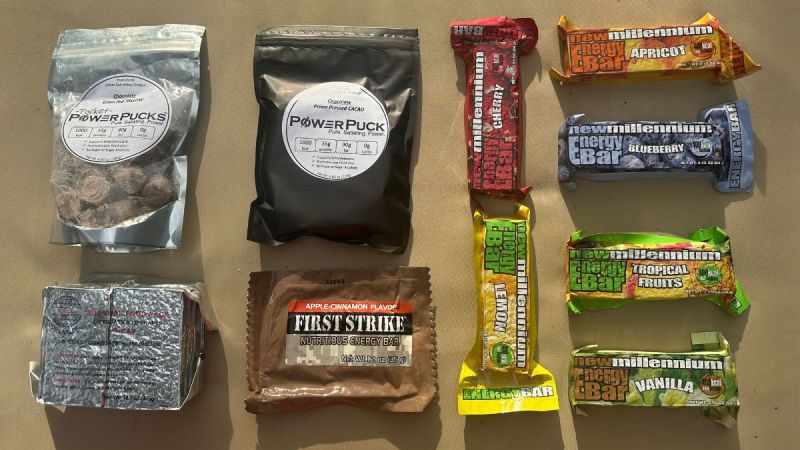
- Granola bars and protein bars
- Dried fruits such as raisins or apricots
- Crackers and rice cakes
- Ready-to-eat cereals
- Trail mix with nuts and seeds
- Powdered milk or shelf-stable milk boxes
Minimal Cooking Requirements
Some meals need only a little heat or water. These foods save fuel and cooking time. They add variety and energy to your diet during emergencies.
- Instant noodles or pasta
- Dehydrated soups and stews
- Instant oatmeal packets
- Freeze-dried meals
- Pre-cooked rice or beans in vacuum packs
- Boil-in-bag grains
Use a small portable stove or campfire for heating these foods. Keep fuel and matches or lighters handy. Choose lightweight and compact food for easy storage and transport.
Credit: 4patriots.com
Frequently Asked Questions
What Foods Are Essential In A Survival Kit?
A survival kit should include non-perishable items like canned beans, rice, and pasta. Dried fruits, nuts, and protein bars provide essential nutrients. Choose items with long shelf lives and high energy content. Consider dietary needs and storage space. Rotate food items regularly to ensure freshness.
How Long Should Survival Food Last?
Survival food should ideally last at least 72 hours. This duration covers most emergency situations. Choose foods with long shelf lives, like canned goods and freeze-dried meals. Regularly check expiration dates and rotate supplies to maintain freshness. Proper storage conditions can extend the shelf life of these items.
Can I Include Fresh Foods In A Survival Kit?
Fresh foods are generally not suitable for survival kits. They spoil quickly and require refrigeration. Instead, choose dehydrated or canned foods. These have longer shelf lives. Fresh foods can be included for short-term emergencies if consumed immediately. Always prioritize non-perishable and shelf-stable items for extended preparedness.
What Are The Best Protein Sources For Survival Kits?
Canned meats, such as tuna and chicken, are excellent protein sources. Nut butters and protein bars provide additional protein. Consider freeze-dried meats for long-term storage. Choose items with high protein content and long shelf lives. These options ensure adequate nutrition during emergencies.
Conclusion
Choosing the right food for your survival kit saves lives. Focus on items that last long and give good energy. Pick foods easy to prepare without power or water. Don’t forget to include some vitamins and minerals too. Store your supplies in a cool, dry place.
Check your kit often and replace expired items. Being ready brings peace of mind and safety. Simple steps make a big difference in emergencies. Stay prepared and keep your loved ones safe.