When winter hits hard, being unprepared can turn a simple outing into a dangerous situation. You might think you’re ready, but do you really have everything you need to stay safe and comfortable if the weather takes a turn for the worse?
Building your own winter survival kit is the smartest way to protect yourself and your loved ones. In this guide, you’ll discover exactly what to pack, why each item matters, and how to customize your kit for your unique needs.
Keep reading to make sure you’re never caught off guard when the cold strikes.
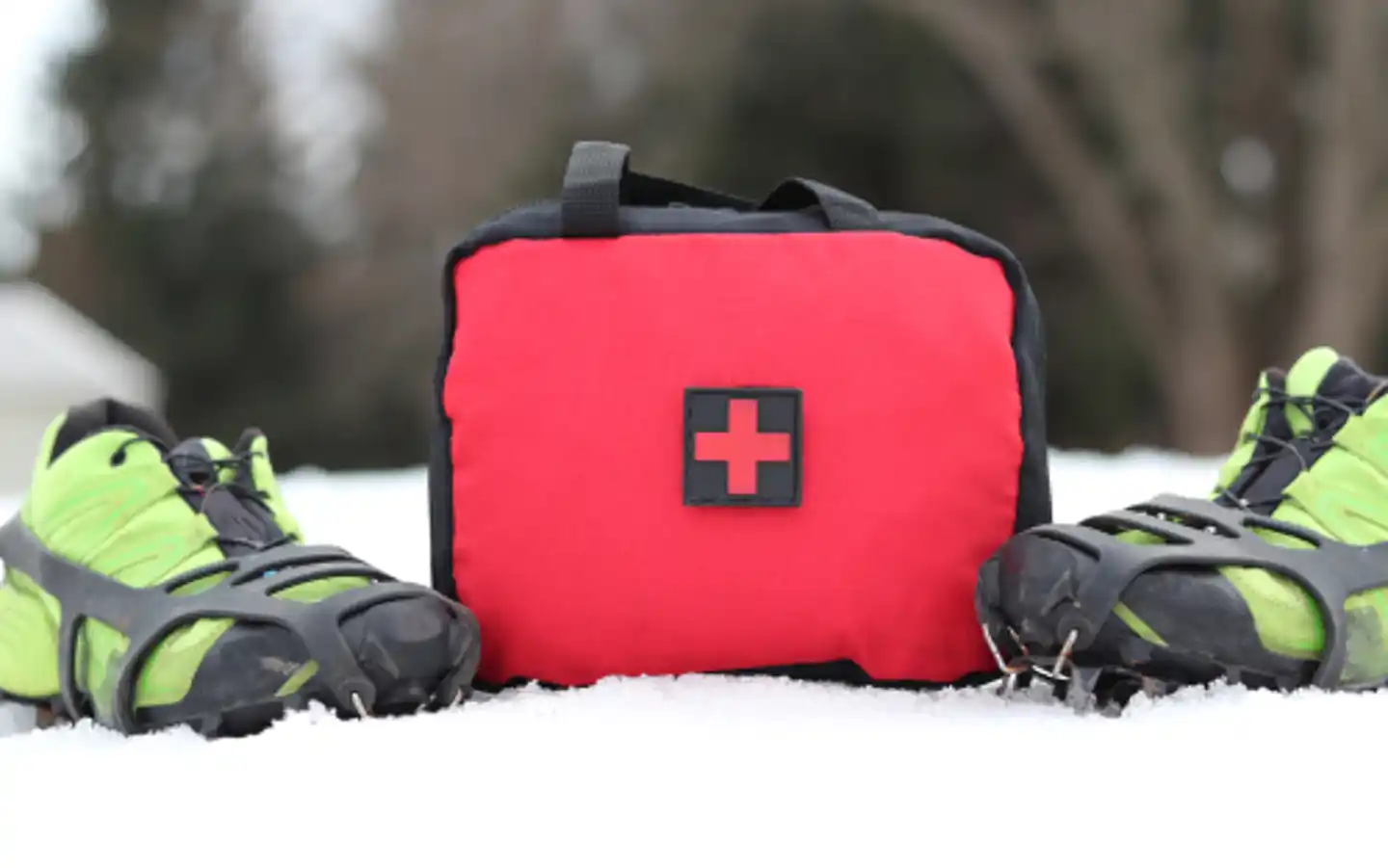
Credit: www.servpro.com
Choosing The Right Container
Choosing the right container is crucial for a winter survival kit. The container keeps your supplies safe and organized. It should protect against moisture, cold, and rough handling. A good container also makes it easy to carry your kit anywhere.
Think about size and weight. The container must fit all essentials without being too heavy. It should also be easy to open, even with gloves on. Durability is key. The container needs to withstand harsh outdoor conditions.
Durability And Material
Pick containers made from strong materials like plastic or metal. These resist cracking in cold weather. Waterproof containers protect contents from snow and rain. Avoid cardboard or fabric containers that can get soggy or torn.
Size And Portability
Choose a container that is compact but spacious enough for your items. It should fit in your backpack or car easily. Lightweight containers prevent extra strain during travel. Consider containers with handles or straps for easier carrying.
Seal And Closure
Secure lids or tight seals keep water and dirt out. Look for containers with locking mechanisms or snap closures. Rubber gaskets add extra protection against moisture. Make sure the container opens quickly and smoothly.
Organization Features
Containers with compartments or removable trays help organize supplies. This saves time during emergencies. Use small boxes or bags inside the main container for better order. Clear containers let you see contents without opening them.

Credit: m.youtube.com
Warm Clothing Essentials
Staying warm is the cornerstone of surviving harsh winter conditions. Your clothing choices can make the difference between comfort and danger. Knowing what to pack and how to wear it will keep you safe and functional when the temperature drops.
Layering Techniques
Layering allows you to adjust your clothing based on activity level and weather changes. Start with a moisture-wicking base layer to keep sweat away from your skin. Next, add an insulating middle layer that traps heat.
The outer layer should protect you from wind, rain, and snow. Think of it as your shield against the elements. Do you have clothing that can be easily added or removed? Flexibility is key when the weather shifts unexpectedly.
- Base Layer:Thermal underwear or synthetic fabrics
- Middle Layer:Fleece or wool sweaters
- Outer Layer:Waterproof and windproof jackets
Selecting Insulated Items
Insulated clothing is your best friend in freezing temperatures. Look for down or synthetic insulation that offers warmth without bulk. I once relied on a thin down jacket that kept me warm during a surprise snowstorm, proving that quality matters more than thickness.
Don’t forget insulated gloves, hats, and socks—they prevent heat loss in extremities. Are your boots rated for cold weather? Footwear with insulation and waterproofing can prevent frostbite and keep you comfortable during long outdoor stays.
Emergency Food Supplies
Having reliable emergency food supplies is essential when preparing your winter survival kit. Food not only fuels your body but also keeps your spirits high during challenging conditions. Choosing the right types of food can make a significant difference in how well you cope with cold weather emergencies.
Non-perishable Options
Non-perishable foods are your best bet for long-term storage. They can last months or even years without refrigeration, making them ideal for winter emergencies.
- Canned vegetables and fruits: Provide essential vitamins and can be eaten cold if needed.
- Dry pasta and rice: Lightweight and easy to cook with minimal water.
- Instant oatmeal and powdered milk: Quick to prepare and comforting on cold days.
- Jerky and canned meats: Good sources of protein that don’t spoil easily.
- Nut butters: High in healthy fats and energy, plus they don’t require cooking.
Have you thought about how much water you’ll need to prepare these foods? Keeping water reserves handy is just as important as stocking up on food.
Calorie-dense Foods
Winter survival demands more energy to keep your body warm. Calorie-dense foods provide the extra fuel you need without taking up too much space in your kit.
- Nuts and seeds: Packed with fats and proteins to keep hunger at bay.
- Energy bars: Convenient and compact, perfect for quick snacks.
- Chocolate and dried fruits: Offer a mix of sugar and nutrients for a quick energy boost.
- Granola and trail mix: Combine several calorie-dense ingredients in one pack.
Think about your energy needs during an emergency. How much food will you realistically consume each day to maintain strength?
Water And Hydration Solutions
Water is essential for survival, especially in cold weather. Staying hydrated keeps your body warm and your mind sharp. Preparing reliable water sources and ways to purify water is critical for any winter survival kit. This section covers how to store water safely and how to ensure it is clean for drinking.
Safe Water Storage
Store water in strong, leak-proof containers. Use food-grade plastic bottles or metal containers. Avoid glass, as it can break easily. Keep containers sealed tightly to stop contamination. Store water in a cool, dark place to prevent algae growth. Label each container with the date of storage. Rotate water supplies every six months to keep it fresh. Carry collapsible water bags for easy transport during hikes.
Purification Methods
Boiling water kills most germs and bacteria. Heat water until it bubbles for at least one minute. Use water purification tablets to kill viruses and bacteria fast. Follow tablet instructions carefully for safe use. Portable water filters remove dirt and many harmful microbes. Choose filters with small pore sizes for best results. UV light purifiers can disinfect water quickly using ultraviolet rays. Always carry more than one purification option for safety.
Shelter And Sleeping Gear
Creating a reliable winter survival kit requires careful thought about shelter and sleeping gear. These elements protect you from cold, wind, and moisture. They help maintain body heat and ensure restful sleep. Choosing the right items can make a big difference in harsh winter conditions.
Portable Shelter Options
Portable shelters offer quick protection from the elements. They are lightweight and easy to carry. Here are some common options:
- Tent:A compact, four-season tent shields you from wind and snow.
- Bivy Sack:A small, waterproof cover for your sleeping bag that blocks moisture and wind.
- Emergency Shelter:A lightweight, reflective foil shelter that traps body heat.
- Tarps:Versatile and easy to set up for windbreaks or roof covers.
Choose shelters that fit your needs and are easy to set up in cold conditions.
Thermal Sleeping Bags
Thermal sleeping bags keep you warm during freezing nights. Look for bags with these features:
- Insulation Type:Down or synthetic; both trap heat well.
- Temperature Rating:Rated for temperatures below freezing.
- Shape:Mummy-shaped bags reduce heat loss.
- Water Resistance:Protects insulation from moisture.
Pair your sleeping bag with an insulated sleeping pad to avoid cold from the ground. Proper shelter and sleeping gear improve your safety and comfort during winter survival situations.
First Aid And Health Supplies
Preparing a winter survival kit means you must prioritize your health and safety. First aid and health supplies can be lifesaving in harsh conditions. You never know when a minor injury or sudden illness might arise, especially in freezing temperatures where help could be far away.
Basic First Aid Kit
Your basic first aid kit should cover common injuries like cuts, burns, and sprains. Include adhesive bandages in various sizes, sterile gauze pads, and medical tape to secure dressings. Antiseptic wipes and ointments help prevent infections, which can worsen quickly in cold weather.
Don’t forget a pair of tweezers to remove splinters or debris, and a small pair of scissors for cutting bandages or clothing. Pain relievers like ibuprofen or acetaminophen are essential too. Consider adding a cold pack to reduce swelling from sprains or bruises.
Medication And Prescriptions
Think about your personal health needs before assembling your kit. If you take prescription medications, always pack enough to last longer than your trip. Store them in waterproof containers to protect from moisture and freezing temperatures.
Include over-the-counter medicines for common winter ailments such as cough, cold, and allergies. Antihistamines and throat lozenges can soothe symptoms that might otherwise slow you down. How prepared are you to handle a sudden fever or upset stomach in the cold?
Tools And Equipment
Having the right tools and equipment is essential for a winter survival kit. These items help you handle tough situations outdoors. They improve safety and increase chances of staying warm and secure. Choose durable, easy-to-use tools that serve multiple purposes. Compact size is a big plus for carrying convenience.
Multi-tools And Knives
A good multi-tool combines several useful functions in one device. Look for tools with pliers, screwdrivers, scissors, and can openers. A sharp, reliable knife is also crucial. Use it for cutting rope, preparing food, or making kindling for fire. Choose knives with strong blades and comfortable handles. Keep them clean and sharp for best performance.
Fire Starting Tools
Fire keeps you warm and signals rescuers. Pack several fire-starting options for reliability. Waterproof matches work well but can fail if wet. Carry a lighter with extra fluid for quick ignition. Firesteel or ferro rod sparks ignite even in harsh weather. Include dry tinder like cotton balls or wax-coated items. Store fire starters in a waterproof container for protection.

Credit: trueprepper.com
Navigation And Communication
Navigation and communication tools are vital in a winter survival kit. They help you find your way and call for help if needed. These tools increase safety and confidence outdoors during harsh winter conditions.
Maps And Compasses
Always carry a detailed map of the area. Paper maps do not rely on batteries and work in all weather. Choose maps showing terrain, trails, and landmarks clearly.
A reliable compass helps you determine direction. Learn basic compass skills before heading out. Keep the compass in a waterproof case to protect it from moisture and cold.
Combine maps and compasses for better navigation. Avoid depending only on electronic devices. Practice using these tools in safe areas to build skill and confidence.
Emergency Communication Devices
Communication devices are crucial to call for help in emergencies. Mobile phones may lose signal in remote winter areas. Carry a backup device designed for emergencies.
- Satellite phones:Work anywhere, even without cell towers.
- Personal locator beacons (PLBs):Send distress signals with GPS coordinates.
- Two-way radios:Useful for group communication over short distances.
Keep devices charged and protected from cold. Store extra batteries or power banks in insulated pockets. Test your devices regularly to ensure they work correctly.
Lighting And Signal Devices
Lighting and signal devices are crucial in any winter survival kit. They help you see clearly in the dark and let others find you if you’re lost. Without reliable light or a way to signal, you risk missing rescue or getting injured in low visibility conditions.
Flashlights And Batteries
A sturdy flashlight is one of the most reliable tools you can carry. Choose one that’s compact, waterproof, and offers multiple brightness settings. LED flashlights are energy-efficient and last longer on a single set of batteries.
Never underestimate the importance of spare batteries. Cold weather drains battery life faster, so pack extras in a waterproof bag to keep them dry. Consider rechargeable batteries, but remember they might lose charge quicker in freezing temperatures.
Do you have a habit of checking your flashlight’s batteries before heading out? I learned this the hard way during a snowy hike when my light died early, forcing me to navigate by moonlight. Always test your gear before relying on it.
Signal Mirrors And Whistles
Signal mirrors are lightweight and require no batteries, making them perfect for emergencies. Use them to reflect sunlight towards rescuers or passing aircraft. Even a brief flash can catch attention from miles away.
Whistles are simple but effective devices to signal for help. Their sound carries farther than shouting and conserves your energy. Attach a whistle to your survival kit or wear it around your neck for quick access.
Think about how you would signal if you were trapped in a snowstorm with no phone service. A whistle or mirror could be your best chance of getting noticed. These small tools can make a big difference when every second counts.
Personal Comfort And Hygiene
Keeping your personal comfort and hygiene in check during winter survival situations isn’t just about feeling good—it can impact your health and morale. Cold weather can dry out your skin and make simple tasks feel tougher. Having the right items ready helps you stay clean, warm, and mentally strong, which is crucial when facing harsh conditions.
Hygiene Products
Maintaining hygiene in winter can be challenging, but neglecting it opens the door to infections and discomfort. Pack travel-sized soap and hand sanitizer to keep germs at bay, even when water is scarce. Moisturizers are essential to prevent cracked skin caused by cold air.
Don’t forget lip balm to avoid painful chapped lips, and include a small pack of wet wipes for quick cleaning when you can’t shower. A compact toothbrush and toothpaste keep your mouth fresh and help prevent dental issues, which might be the last thing you want to deal with outdoors.
Comfort Items
Personal comfort items can make a big difference in your winter survival experience. A warm hat and gloves are must-haves to protect extremities from frostbite. Consider adding hand warmers and thermal socks to keep your body heat stable throughout the day.
Also, think about including a lightweight, insulated blanket or emergency space blanket. These can provide extra warmth and comfort when you need rest. Would you rather face a cold, restless night or wake up refreshed and ready? Comfort items can tip the balance in your favor.
Frequently Asked Questions
What Are The Essential Items In A Winter Survival Kit?
A winter survival kit must include warm clothing, waterproof matches, a flashlight, high-energy food, water, and a first aid kit. These items help you stay warm, hydrated, and safe during emergencies in cold weather.
How Do I Choose The Right Clothing For Winter Survival?
Select layered, moisture-wicking, and insulated clothing. Avoid cotton as it retains moisture. Include thermal underwear, a waterproof jacket, gloves, and a hat to maintain body heat and protect against frostbite.
How Can I Store Food And Water In A Winter Survival Kit?
Use airtight containers for food and insulated bottles for water to prevent freezing. Carry high-calorie, non-perishable snacks like nuts and energy bars to maintain energy levels in cold conditions.
Why Is A First Aid Kit Important In A Winter Survival Kit?
A first aid kit helps treat injuries and prevent infections in harsh winter conditions. Include bandages, antiseptics, pain relievers, and any personal medications for immediate care during emergencies.
Conclusion
A winter survival kit keeps you safe in cold weather. Pack essential items like warm clothes, food, and first aid. Check your kit before the season starts. Stay prepared for unexpected storms or power outages. A little effort can make a big difference.
Be ready to face winter challenges with confidence. Simple steps today protect you tomorrow. Stay warm, stay safe, and stay calm.