Imagine facing an emergency where help might not come for three whole days. What would you need to survive and stay safe?
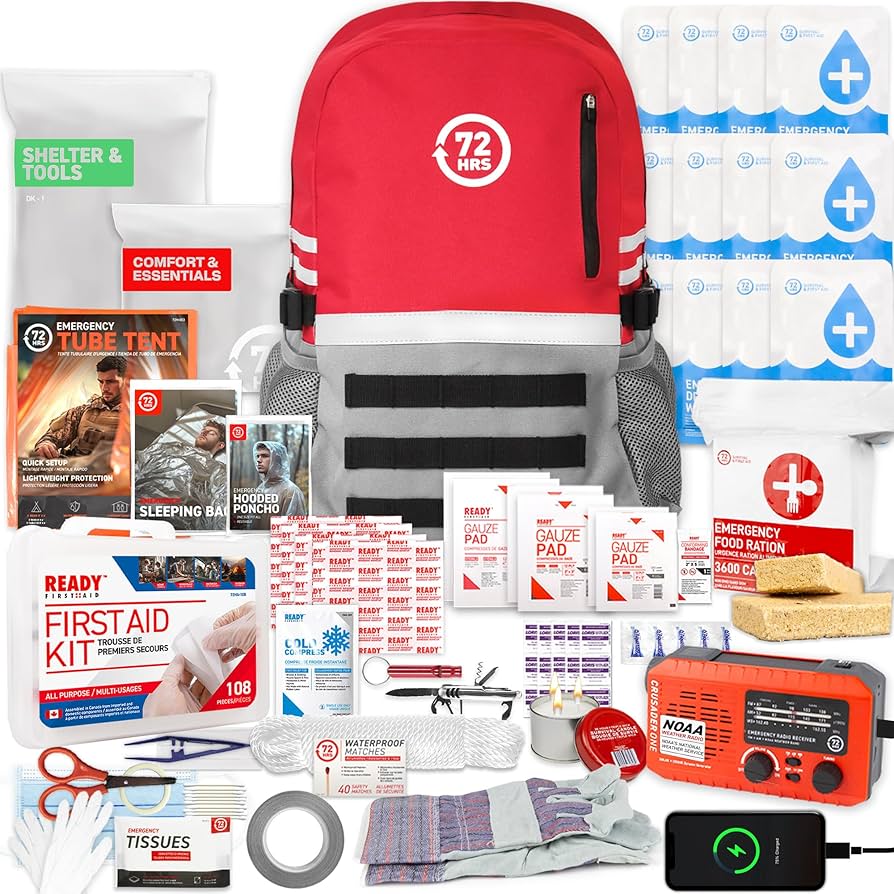
Your 72-hour survival kit could be the difference between stress and security. You’ll discover exactly what to pack to keep yourself and your loved ones prepared for anything. By the end, you’ll have a clear, easy-to-follow checklist that makes building your kit simple and effective.
Ready to take control of your safety? Let’s dive in.
Essential Water Supplies
Water is the most vital resource in any survival situation. Without clean water, your body cannot function properly. A 72-hour survival kit must include reliable ways to store and purify water. Proper water supplies ensure hydration and safety during emergencies.
Portable Water Filters
Portable water filters remove dirt, bacteria, and parasites from water. They are lightweight and easy to carry. Many filters work by pumping or squeezing water through a small cartridge. This method provides safe drinking water from rivers, lakes, or questionable sources. Choose filters with a long lifespan and quick flow rate. They reduce the risk of waterborne illnesses effectively.
Water Purification Tablets
Water purification tablets are compact and simple to use. Drop them into water and wait for the recommended time. The tablets kill harmful bacteria and viruses. They are ideal as a backup when filters are unavailable. Tablets take up little space and have a long shelf life. Always carry a supply for unexpected situations.
Collapsible Water Containers
Collapsible water containers save space in your kit. They fold flat when empty and expand when filled. Made of durable materials, they hold enough water for drinking and cooking. These containers are easy to pack and carry. Having extra storage helps you collect and transport water efficiently.
Food For Sustenance
Food is a vital part of your 72-hour survival kit. It keeps your energy up and helps you stay focused during stressful times. Choosing the right food means balancing nutrition, shelf life, and ease of preparation.
Non-perishable Food Items
Non-perishable foods are the backbone of your kit because they last long without refrigeration. Think canned beans, vegetables, and meats that provide protein and fiber. Also, dried fruits and nuts offer essential vitamins and minerals while taking up little space.
Look for items with easy-open lids or pull tabs to avoid needing extra tools. Have you checked the expiration dates on your canned goods lately? Rotating your supplies keeps your kit reliable.
Energy Bars And Trail Mix
Energy bars and trail mix are perfect quick snacks to boost your stamina. They are lightweight, packed with calories, and require no cooking. Choose bars with a balance of carbs, fats, and proteins to keep hunger at bay longer.
Try mixing your own trail mix with almonds, raisins, pumpkin seeds, and dark chocolate chips. This combination fuels your body and lifts your mood during tough hours. What’s your go-to energy snack when you need a fast pick-me-up?
Compact Cooking Equipment
Having compact cooking tools makes a huge difference when you want a warm meal. A small camping stove or portable burner can heat up canned foods and boil water safely. Don’t forget lightweight pots and utensils that fit snugly in your kit.
Consider fuel options and ease of use—can you set it up quickly in low light? Personal experience taught me that a simple but reliable stove can turn a stressful day into a manageable one. How would a hot meal change your mindset in an emergency?
Shelter And Warmth
Staying warm and protected from the elements is vital in any survival situation. Shelter and warmth help prevent hypothermia and keep you comfortable. A well-prepared 72-hour survival kit must include items that offer insulation, protection, and heat retention. These essentials ensure you can rest safely and maintain your energy.
Emergency Blankets
Emergency blankets are lightweight and compact. They reflect body heat back to you, keeping warmth inside. These blankets are waterproof and windproof, useful in rain or snow. Carry at least one blanket for each person in your group. They fit easily into small kits and provide quick warmth during cold nights.
Portable Tents
Portable tents offer reliable shelter from wind, rain, and sun. Look for tents made of durable, weather-resistant materials. Choose models that are quick to set up and lightweight to carry. A good tent protects you from insects and animals. It creates a safe space to sleep and rest during emergencies.
Thermal Clothing
Thermal clothing traps body heat and keeps you warm. Pack thermal underwear, socks, and gloves to retain heat efficiently. Choose clothing made from materials like wool or synthetic fibers. Avoid cotton as it holds moisture and causes chill. Layer thermal clothes to adjust to changing weather conditions.

Credit: www.amazon.ca
Health And Hygiene
Maintaining health and hygiene during an emergency is crucial. Cleanliness helps prevent infections and illness. A well-prepared 72-hour survival kit must include essential health and hygiene items. These supplies support your well-being when access to regular facilities is limited.
First Aid Kit
A first aid kit is vital for treating minor injuries. Include:
- Bandages and adhesive tape
- Antiseptic wipes and ointment
- Pain relievers like ibuprofen or acetaminophen
- Medical gloves
- Scissors and tweezers
- Thermometer
These items help manage cuts, burns, and aches until professional help is available.
Personal Hygiene Items
Keeping clean reduces the risk of sickness. Pack these:
- Toothbrush and toothpaste
- Soap or body wipes
- Hand sanitizer with at least 60% alcohol
- Feminine hygiene products
- Disposable towels or tissues
- Comb or brush
These supplies help you stay fresh and comfortable in tough conditions.
Prescription Medications
Always include your necessary prescription medicines. Carry enough for three days or more. Use original containers with clear labels. Store them safely to avoid damage or loss. Include a list of medicines with dosages and doctor contact details. This ensures proper use and quick medical support if needed.
Tools And Equipment
Your 72-hour survival kit depends heavily on the right tools and equipment. These items are not just extras; they can make the difference between managing a situation and struggling through it. Choosing versatile and reliable tools means you’re prepared for various challenges without carrying unnecessary weight.
Multi-tools
A good multi-tool combines several functions into one compact device. You can expect pliers, knives, screwdrivers, and sometimes even scissors or wire cutters. I once used my multi-tool to fix a broken zipper on my backpack during a camping trip—it saved me from a tough situation.
Look for models with sturdy construction and easy-to-access tools. Remember, a lightweight multi-tool that fits comfortably in your hand or pocket is more likely to be used effectively.
Duct Tape
Duct tape is incredibly useful in survival scenarios. You can use it to repair torn clothing, patch holes in shelters, or even make temporary bandages. I recommend wrapping several feet around a small card to keep it compact and ready for quick use.
Think about how many everyday problems duct tape can solve in an emergency. It’s one of those tools you might overlook until you desperately need it.
Flashlights And Batteries
Reliable light sources are essential when darkness falls unexpectedly. Choose LED flashlights for their brightness and energy efficiency. I keep extra batteries sealed in a waterproof bag to avoid failures when I need light the most.
Have you checked your flashlight’s batteries recently? A weak or dead battery can turn a lifesaver into a useless item. Also, consider a small headlamp for hands-free use in tight spots or when setting up camp at night.

Credit: premierbodyarmor.com
Navigation And Communication
Having reliable navigation and communication tools in your 72-hour survival kit can make a huge difference in an emergency. These items help you stay oriented and connected, especially when technology fails or you’re off the grid. Think about how quickly you could find your way or signal for help with the right gear at hand.
Compass And Maps
A compass is a simple yet powerful tool to guide you through unfamiliar terrain. Pair it with detailed local maps to pinpoint your location and chart a safe route. Don’t just pack them—practice reading maps and using a compass beforehand so you won’t waste precious time figuring it out under stress.
Have you ever been lost without a signal? A compass and maps don’t rely on batteries or cell towers, making them essential backups. Keep maps waterproofed and folded neatly to avoid damage.
Emergency Whistle
An emergency whistle is a lightweight, loud, and effective way to signal for help. Unlike shouting, a whistle conserves energy and can be heard over longer distances. Carry one attached to your kit or clothing—it might save your life if you’re trapped or injured.
Remember, three short blasts is the universal distress signal. Try to practice this pattern so it becomes automatic when you need it most.
Portable Radio
A portable radio keeps you informed about weather updates, emergency alerts, and news during a disaster. Opt for a hand-crank or solar-powered model to avoid dependence on batteries. This ensures you stay connected even if the power grid goes down.
Test your radio regularly and learn how to tune into emergency frequencies in your area. Staying informed can help you make smarter decisions and avoid unnecessary risks.
Safety And Self-defense
Safety and self-defense gear are essential parts of your 72-hour survival kit. They give you confidence and a way to protect yourself in unexpected situations. Adding practical tools and skills can make a big difference when you need to stay safe.
Pepper Spray
Pepper spray is a compact, easy-to-use tool for self-defense. It can stop an attacker quickly by causing temporary blindness and breathing difficulty. Make sure the pepper spray you choose is legal in your area and easy to reach in your kit.
Keep it in a small, accessible pouch so you can grab it fast. Remember to practice with an inert spray or watch tutorials so you know how to use it correctly under stress.
Personal Alarm
A personal alarm can scare off threats and alert people nearby. These devices emit a loud, piercing sound when activated. Unlike pepper spray, they are non-violent but effective in drawing attention to your situation.
Choose a model with a keychain or wrist strap so it’s always with you. Think about places you go alone—would a loud alarm help you feel safer?
Self-defense Training
Tools are only part of the equation; knowing how to protect yourself matters most. Simple self-defense moves can help you escape dangerous situations. Even basic training boosts your confidence and awareness.
Look for local classes or online tutorials that focus on practical techniques. Ask yourself: How prepared am I to handle a threat if it happens right now?

Credit: www.amazon.com
Important Documents And Cash
Important documents and cash are essential for a 72 hour survival kit. These items provide proof of identity, access to services, and immediate purchasing power during emergencies. Safeguarding these essentials ensures smoother recovery and less stress.
Identification Copies
Keep photocopies or scanned images of important IDs. Include driver’s license, passport, and birth certificate copies. Store them in a waterproof bag to prevent damage. These copies help prove your identity if the originals are lost or stolen.
Emergency Contacts List
Write down phone numbers and addresses of family, friends, and local emergency services. Use clear, easy-to-read handwriting or print the list. Keep the list updated and include any special medical contacts. This list helps you reach support quickly.
Cash In Small Denominations
Carry cash in small bills like $1, $5, and $10 notes. Small bills make it easier to buy supplies or pay for services. Avoid relying only on cards or digital payments, which may not work during outages. Store cash securely but accessibly.
Miscellaneous Items
Miscellaneous items in a 72-hour survival kit can make a big difference. These small tools and materials serve many purposes. They help with communication, navigation, and even simple repairs. Packing the right miscellaneous items improves your chances of staying safe and comfortable.
Notepad And Pen
A notepad and pen help you keep track of important information. Write down locations, contacts, or instructions. They also allow you to leave messages for rescuers or other people. Paper and pen do not need batteries, so they work anytime.
Local Area Guide
A local area guide shows important landmarks and emergency spots. It helps you find shelters, water sources, and medical centers. This guide can be a printed map or a small booklet. Knowing your surroundings is key to making smart decisions.
Paracord
Paracord is a strong, lightweight rope with many uses. Use it for building shelters, securing gear, or making repairs. It can also help in emergency situations like making a tourniquet or a splint. Paracord is easy to carry and very useful.
Frequently Asked Questions
What Essentials Should Be Included In A 72-hour Survival Kit?
A 72-hour survival kit must include water, non-perishable food, first aid supplies, a flashlight, and a multi-tool. These items help you stay safe and comfortable during emergencies.
How Much Water Is Needed For A 72-hour Survival Kit?
You should pack at least one gallon of water per person per day. For three days, that totals three gallons to stay hydrated.
Why Include A First Aid Kit In A Survival Kit?
A first aid kit helps treat minor injuries and prevents infections. It’s crucial for managing cuts, burns, or other health issues during emergencies.
What Type Of Food Is Best For A Survival Kit?
Non-perishable, high-energy foods like granola bars, canned goods, and dried fruits work best. They last long and provide essential nutrients.
Conclusion
A well-packed 72-hour survival kit can make a big difference. It helps you stay safe, healthy, and calm in emergencies. Include water, food, first aid, and tools you trust. Check your kit often and update items as needed. Being prepared means you face challenges with confidence.
Start building your kit today. Stay ready, stay safe.