When disaster strikes, having the right food in your emergency kit can make all the difference. You want to stay nourished, energized, and ready for anything—without worrying about spoiled or heavy supplies.
But what foods should you actually pack to keep you safe and satisfied? You’ll discover the essential items that belong in your emergency food stash. By the end, you’ll feel confident knowing exactly what to include, so you’re prepared no matter what comes your way.
Keep reading to make sure your emergency kit truly has your back.

Credit: backpackerspantry.com
Non-perishable Staples
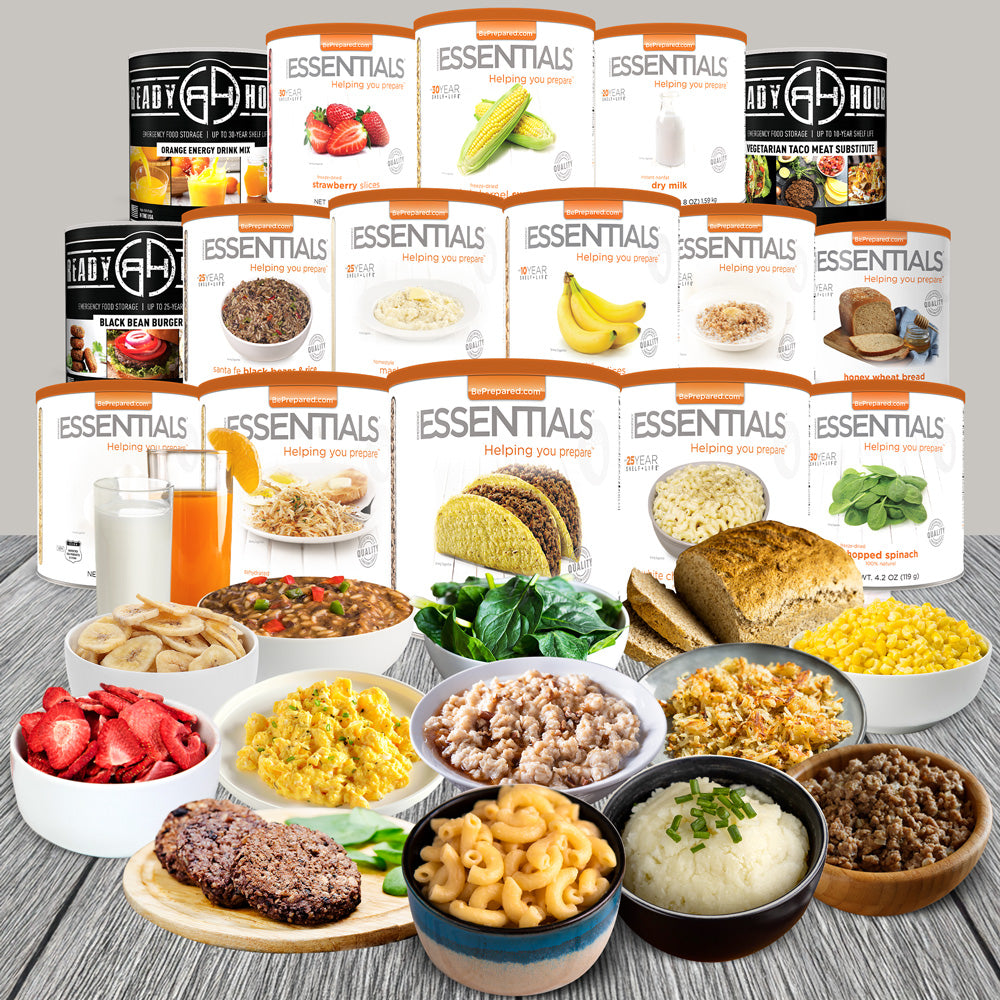
Non-perishable staples form the backbone of any reliable emergency kit. These foods stay safe and nutritious without refrigeration, making them perfect for unpredictable situations. Packing the right staples means you can focus on staying calm and managing your emergency rather than worrying about spoiled food.
Canned Proteins
Canned proteins like tuna, chicken, and beans provide essential nutrients and last for years. They are easy to store and quick to prepare, requiring no cooking in many cases. Think about how a can of chicken can add substance to a simple salad or how canned beans can boost your energy with fiber and protein.
Keep a variety of options to avoid meal fatigue. Don’t forget to pack a manual can opener—without it, these cans won’t do much good. Have you ever been stuck with food you couldn’t open? Avoid that frustration now.
Dried Grains And Legumes
Grains like rice, oats, and quinoa are excellent energy sources and store well for long periods. Legumes such as lentils and split peas add protein and fiber, helping you feel full longer. These items need water and cooking, so ensure you have a way to prepare them safely.
Consider portion sizes and cooking times when choosing your staples. Quick-cooking grains like instant oats or pre-cooked lentils can save valuable time during emergencies. What’s your plan if you only have limited fuel or water?
Ready-to-eat Meals
Ready-to-eat meals (MREs) are lifesavers when you need quick, no-prep nutrition. They often contain balanced portions of proteins, carbs, and fats, designed to sustain you during stressful times. Many MREs come with long shelf lives and are easy to carry, making them ideal for grab-and-go scenarios.
Try a few before packing them to check taste and texture—comfort food matters when stress levels rise. Also, don’t forget to rotate these meals regularly to keep them fresh. Could having a few tasty, ready meals reduce your anxiety during a crisis?

Credit: trueprepper.com
High-energy Snacks
High-energy snacks are essential in any emergency kit because they provide quick fuel when you need it most. These foods are compact, non-perishable, and packed with calories to keep your energy up during stressful situations. Choosing the right snacks can make a big difference in how you feel and perform in an emergency.
Nuts And Seeds
Nuts and seeds are powerhouse snacks loaded with healthy fats, protein, and fiber. Almonds, walnuts, sunflower seeds, and pumpkin seeds offer long-lasting energy and can stay fresh for months. I once relied on mixed nuts during a camping trip, and their energy boost kept me alert and focused throughout the day.
They are easy to carry and don’t require refrigeration, making them perfect for your emergency kit. Try packing them in small, airtight bags to maintain freshness. Do you know which nuts you enjoy the most to keep your energy steady?
Energy Bars And Trail Mix
Energy bars and trail mix combine multiple nutrient-dense ingredients into one convenient snack. Look for bars with natural ingredients like oats, nuts, and dried fruits, avoiding ones loaded with sugar or artificial additives. Trail mix is customizable—add your favorite nuts, seeds, and a little dark chocolate for an extra energy punch.
These snacks are ideal when you need a quick bite that won’t weigh you down. Keep a variety in your kit so you don’t get bored with the same flavors. What energy bar has helped you stay fueled during busy days or outdoor adventures?
Dried Fruits
Dried fruits like apricots, raisins, and cranberries provide a natural source of sugar and fiber. They offer quick energy and satisfy sweet cravings without the need for refrigeration. On a hiking trip, carrying dried fruits gave me a burst of energy exactly when I needed it most.
They also contain essential vitamins and minerals that support your immune system. Pair dried fruits with nuts for a balanced snack that keeps hunger at bay longer. Have you ever reached for dried fruit when fresh options weren’t available?
Hydration Essentials
Hydration is critical during emergencies. It keeps the body functioning and prevents dehydration. Packing the right hydration essentials can save lives. Water is the top priority, but there are other important options. Consider storage, electrolyte balance, and purification to stay safe.
Water Storage Options
Choose sturdy containers for water storage. Use BPA-free plastic jugs or stainless steel bottles. Store at least one gallon per person daily. Collapsible water bags save space and are easy to carry. Keep some sealed bottled water for immediate use.
Electrolyte Solutions
Electrolytes help maintain body fluid balance. Pack powdered electrolyte mixes or tablets. Coconut water powder is a natural source. Avoid sugary drinks that cause dehydration. Electrolyte solutions support hydration and energy during stress.
Water Purification Methods
Purify water from uncertain sources. Boiling water kills bacteria and viruses. Use portable water filters for quick cleaning. Water purification tablets work well for emergencies. UV light purifiers are compact and effective. Always have multiple purification options ready.
Special Dietary Needs
Special dietary needs are crucial to consider when packing an emergency kit. If you or your family members have specific food restrictions, your emergency food supply must reflect those. Ignoring these needs can turn a survival situation into a health risk.
Gluten-free Options
Gluten intolerance or celiac disease requires you to avoid wheat, barley, and rye. Pack gluten-free grains like rice, quinoa, and certified gluten-free oats. Ready-to-eat gluten-free snacks like rice cakes or nut bars can also be lifesavers during emergencies.
Have you checked the labels for hidden gluten in canned soups or sauces? Always choose certified gluten-free products to stay safe and healthy.
Vegetarian And Vegan Picks
Plant-based diets mean no meat or animal products, so focus on protein-rich plant foods. Canned beans, lentils, and chickpeas are great sources of nutrition. Don’t forget nuts, seeds, and nut butters to add calories and healthy fats.
Consider shelf-stable plant milk or powdered options to keep your diet balanced. Imagine being stuck without your usual protein sources—would you have enough energy? Make sure your kit covers these essentials.
Allergy-friendly Choices
Food allergies can be life-threatening, so avoid packing anything that triggers reactions. Common allergens include peanuts, tree nuts, dairy, soy, and shellfish. Opt for safe alternatives like seed butters, coconut milk, or allergy-friendly snack bars.
Keep an emergency plan ready if accidental exposure happens. Does your kit include an epinephrine injector or allergy medication? These items are as important as food itself.
Food Storage Tips
Proper food storage is essential for any emergency kit. It keeps your supplies safe and fresh for longer periods. Good storage practices prevent spoilage and contamination. This section explains key tips to store food effectively for emergencies.
Packaging And Sealing
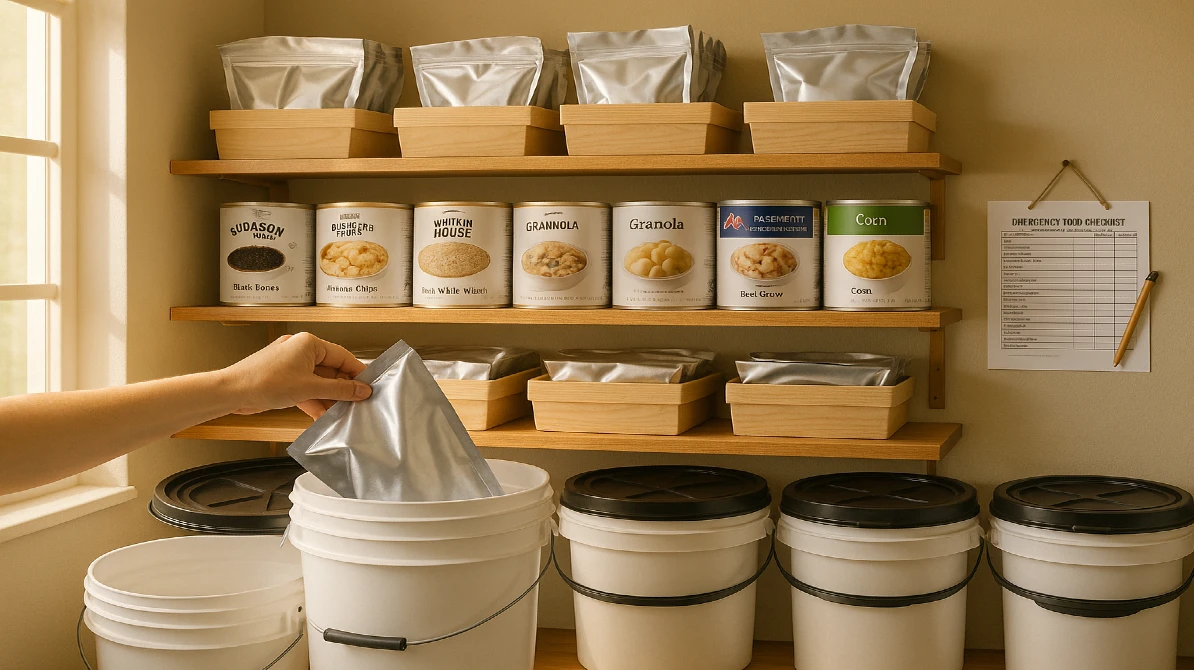
Choose airtight containers to protect food from moisture and air. Use vacuum-sealed bags for dry goods like rice and beans. Resealable plastic bags work well for opened packages. Label each package with the food name and packing date. Avoid using damaged or weak packaging. Proper sealing keeps pests and bacteria out.
Shelf Life Management
Check expiration dates before packing food. Rotate supplies regularly to use older items first. Store foods with longer shelf lives at the back. Keep a list of all stored foods and their dates. Freeze items that can last longer when frozen. Proper shelf life management reduces waste and ensures food safety.
Temperature Considerations
Store food in a cool, dry place away from sunlight. Avoid areas with temperature changes like near ovens or heaters. Ideal storage temperature is below 75°F (24°C). Heat and humidity speed up spoilage and reduce shelf life. Use insulated containers for temperature-sensitive items. Keep frozen foods in a reliable freezer with backup power.

Credit: www.jackery.com
Tools And Accessories
Packing the right tools and accessories in your emergency kit can make a huge difference when you need to prepare food quickly and safely. These items help you cook, eat, and manage food without hassle, even in tough situations. Think about the last time you tried to eat without proper utensils or struggled to start a fire—having the right gear saves time and frustration.
Portable Cooking Gear
Compact cooking gear like a small camping stove or a lightweight pot can turn your emergency kit into a mini kitchen. Choose gear that’s easy to carry and sets up quickly. A small fuel canister or solid fuel tablets are excellent options because they don’t take much space and work well in various weather conditions.
Have you ever tried cooking on an open flame without the right tools? Portable cooking gear makes that process safer and faster. Look for items made of durable, heat-resistant materials that won’t break or warp under pressure.
Utensils And Containers
Your emergency kit should include utensils that serve multiple purposes—like a spork or a multi-tool with a knife, fork, and spoon combined. This reduces weight and bulk. Also, pack containers that seal well to keep food fresh and prevent spills, such as BPA-free plastic or metal containers with tight lids.
Think about packing a collapsible water bottle or a small, stackable bowl. These save space and are easier to clean. When was the last time you struggled to find a clean, safe container during an unexpected situation? Proper utensils and containers prevent that hassle.
Fire Starting Supplies
Without a reliable way to start a fire, cooking and boiling water become nearly impossible. Pack waterproof matches, a lighter, and fire starters like cotton balls soaked in petroleum jelly or commercial fire sticks. Having multiple options ensures you can light a fire even if one method fails.
Consider how frustrating it is to be in an emergency without fire-starting tools. Keeping these items in a waterproof container protects them from moisture. Do you know how to use each fire starter in your kit? Practicing before an emergency helps you avoid panic and mistakes.
Frequently Asked Questions
What Are The Best Non-perishable Foods For Emergency Kits?
Best non-perishable foods include canned beans, nuts, dried fruits, rice, and pasta. These items last long and provide essential nutrients during emergencies.
How Much Food Should I Pack For An Emergency Kit?
Pack at least a three-day supply of food per person. Consider calorie needs, dietary restrictions, and storage space when planning your emergency kit.
Are Ready-to-eat Meals Suitable For Emergency Kits?
Yes, ready-to-eat meals are convenient and require minimal preparation. They provide balanced nutrition and are ideal when cooking resources are limited.
Should I Include Snacks In My Emergency Food Supply?
Including snacks like granola bars and trail mix is important. They offer quick energy and help maintain morale during stressful situations.
Conclusion
Packing the right foods for an emergency kit is crucial. Choose non-perishable items. They last long and stay fresh. Canned goods, dried fruits, and nuts are excellent choices. They provide essential nutrients and energy. Don’t forget water. It’s vital for survival.
Consider dietary needs and allergies when packing. Rotate supplies regularly to ensure freshness. Preparing wisely today means safety tomorrow. Make sure your kit is ready and accessible. Emergencies can happen anytime. Stay prepared and protect your loved ones. Peace of mind is priceless.
A well-stocked kit can make all the difference.