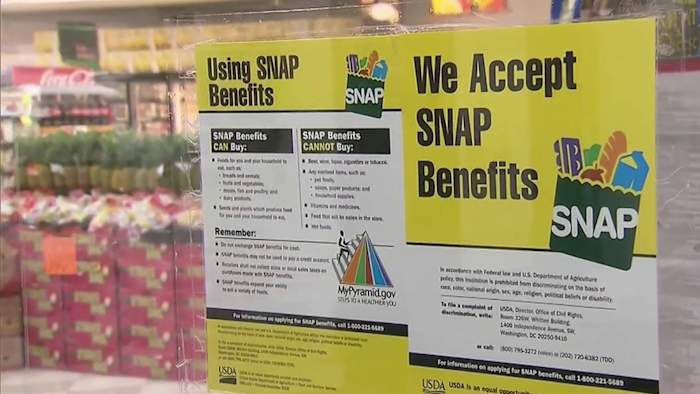
Are you wondering when emergency food stamps will stop? If you rely on this vital support, the uncertainty can feel overwhelming.
Knowing what to expect and when changes might happen helps you plan better for your family’s needs. You’ll find clear answers about the timeline and what it means for you. Keep reading to stay informed and take control of your food assistance situation before any changes come your way.
Emergency Food Stamps Timeline
The Emergency Food Stamps Timeline outlines key dates for the program’s start, extensions, and expected end. It helps recipients understand how long they can receive extra benefits. Tracking these dates ensures no one misses important updates or deadlines.
Start And Extension Dates
The emergency food stamps program began in early 2020 due to the COVID-19 pandemic. It provided extra monthly benefits to support families facing food insecurity. The government approved several extensions to keep aid available during ongoing challenges.
- Initial start: March 2020
- First extension: Late 2020
- Subsequent extensions: Throughout 2021 and 2022
- Most recent extension: Early 2024
Each extension aimed to cover periods of economic uncertainty and rising food costs. The timeline shows the program’s flexibility to help more people over time.
Recent Announcements
Officials recently announced a planned phase-out of emergency food stamps. The goal is to return to normal benefit levels as the economy recovers. The exact end date varies by state and program guidelines.
- Phase-out begins mid-2024 in many states
- Some states may extend aid based on local needs
- Recipients should watch for official state announcements
- Support will continue through regular food stamp programs
Staying informed about these announcements helps families plan their budgets. It also ensures no sudden disruptions in food assistance.
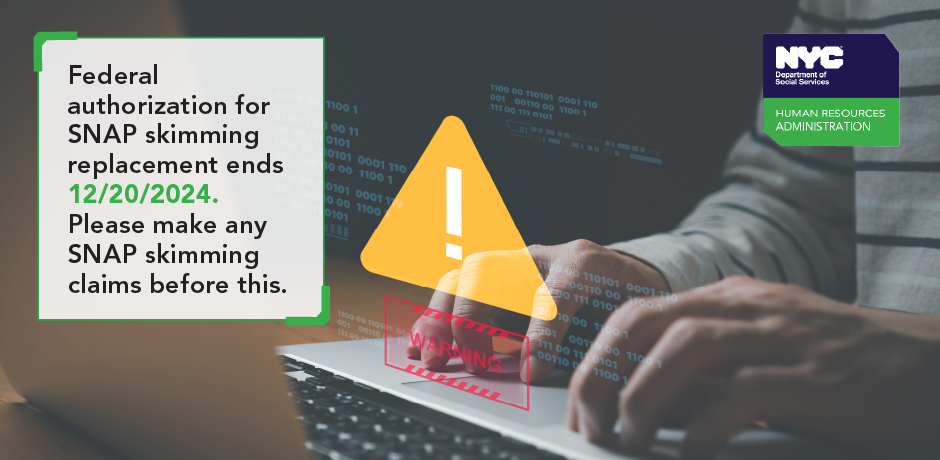
Credit: www.nyc.gov
Reasons For Program Changes
Emergency food stamps programs change over time due to several important reasons. These changes help the program adapt to new situations and serve people better. Understanding why these changes happen clarifies when emergency food stamps might stop.
Economic Factors
The state of the economy strongly affects emergency food stamps. During recessions or high unemployment, more people need help. This increases the program’s budget and reach.
When the economy improves, fewer families qualify for emergency food stamps. Rising incomes and job growth reduce the demand for aid. This often leads to program cutbacks or the end of emergency benefits.
Inflation also impacts food stamp programs. Higher food prices mean families need more support. But if funding does not keep up, the program may face limits or changes.
Policy Decisions
Government leaders make key choices about emergency food stamps. Lawmakers decide the program’s rules, funding, and duration. These decisions depend on political priorities and public opinion.
Changes in policy can expand or reduce program access. Some policies set time limits on emergency benefits. Others change eligibility criteria or benefit amounts.
Policy shifts often reflect a balance between helping people and managing budgets. When budgets tighten, emergency food stamps may end sooner. When leaders prioritize social support, the program may extend.
Impact On Recipients
Emergency food stamps have provided a vital safety net for many families facing unexpected financial challenges. When this support ends, recipients often face significant changes in their daily lives. Understanding how this shift affects household budgets and access to food can help you prepare and adapt effectively.
Household Budget Effects
Without emergency food stamps, your grocery bills may rise sharply. Many families rely on this aid to stretch limited income, and losing it forces tough choices.
You might find yourself cutting back on essentials like utilities or medicine to afford food. This trade-off can increase stress and impact your overall well-being.
Consider tracking your expenses now to identify areas where you can save. Could bulk buying or meal planning help you manage costs better? These small changes can ease the transition.
Access To Food Resources
Stopping emergency food stamps often means you’ll need to explore new ways to get food. Food banks, community kitchens, and local support groups can offer temporary relief.
However, these resources may not always meet your dietary needs or be easy to reach. Planning ahead to locate these options can prevent last-minute struggles.
Ask yourself: Are there local programs you haven’t tried yet? Sometimes, connecting with neighbors or community centers can open doors to unexpected assistance.
Credit: www.newsobserver.com
State-level Variations
Emergency food stamps ended at different times across the U.S. Each state chose when to stop or extend benefits. This caused a patchwork of timelines for people relying on assistance.
Some states ended emergency food stamps early as their local economy improved. Others extended support due to ongoing needs. Understanding these differences helps clarify when benefits might stop in your area.
States Ending Benefits Early
Several states stopped emergency food stamps before the national end date. These states felt their residents had enough support from regular programs. Ending early allowed states to focus resources on other needs.
- Florida ended benefits in late 2023.
- Texas stopped emergency food stamps by December 2023.
- Georgia ended emergency support in November 2023.
People in these states had to transition back to standard food assistance programs quickly.
States Extending Benefits
Some states chose to extend emergency food stamp programs past the national timeline. They cited higher local unemployment and food insecurity. These extensions helped residents cope with ongoing challenges.
- California extended benefits until mid-2024.
- New York continued support through early 2024.
- Illinois prolonged emergency food stamps into 2024 as well.
These states gave residents more time to adjust and find other support options.
Alternatives After Emergency Benefits
Emergency food stamps offer crucial help during tough times. Once these benefits end, many families seek other ways to maintain food security. Several reliable options exist to support your needs after emergency benefits stop. Exploring these alternatives can ease the transition and keep food on your table.
Standard Food Assistance Programs
Standard food assistance programs provide ongoing support for eligible individuals. The Supplemental Nutrition Assistance Program (SNAP) is the most common option. SNAP helps low-income households buy nutritious food every month.
Other programs include Women, Infants, and Children (WIC), which targets pregnant women and young children. School meal programs offer free or reduced-price meals for students. These programs require application and proof of eligibility, but they provide steady food aid.
Community Support Options
Community support options can fill gaps after emergency benefits end. Food banks and pantries distribute free groceries to those in need. Many churches and local groups run these services.
Soup kitchens offer hot meals, often daily. Community gardens allow people to grow their own fresh produce. Local charities sometimes provide food vouchers or delivery services for seniors and disabled individuals.
Using these resources can help families stay nourished while rebuilding financial stability.
Credit: www.theguardian.com
How To Prepare For Changes
Changes to emergency food stamps can bring uncertainty to many households. Planning ahead helps manage this transition smoothly. Knowing what steps to take can ease financial pressure and maintain food security.
Preparing early allows better control over your budget. It also opens doors to other support options. Here are key ways to get ready for changes in emergency food assistance.
Budgeting Tips
- Track your monthly income and expenses carefully.
- Prioritize essential items like food and bills.
- Cut non-essential spending to save money.
- Buy groceries in bulk to lower costs.
- Use coupons and look for store sales.
- Plan meals to avoid food waste.
Seeking Additional Help
- Check local food banks for extra food supplies.
- Contact community centers about aid programs.
- Ask about other government benefits you may qualify for.
- Reach out to nonprofit organizations for support.
- Talk to social workers for guidance and resources.
- Join local groups that share resources and tips.
Where To Get Updates
Staying informed about emergency food stamps is important for many families. Updates can change quickly. Knowing where to find the latest news helps you plan ahead and avoid surprises. Reliable sources give clear and accurate information. Here are some trusted places to get updates.
Official Websites
Government websites provide the most accurate updates on food stamp programs. They publish official announcements and deadlines. You can check:
- USDA Food and Nutrition Service site
- State-specific Department of Social Services or Human Services websites
- Local government portals related to public assistance
These sites often have FAQ sections and contact info for additional help. Bookmark them for quick access.
Local Agencies
Local agencies manage food stamp programs in your area. They know the latest changes and timelines. Contact them by phone or visit their offices. They offer:
- Information on emergency benefits status
- Help with applications and renewals
- Guidance on other available assistance programs
Local agencies often send updates through newsletters or community centers. Stay connected with them for timely news.
Frequently Asked Questions
What Are Emergency Food Stamps?
Emergency food stamps provide temporary aid to individuals during crises. This aid helps families access essential food supplies quickly. It is designed to support those experiencing sudden hardship. Eligibility criteria and benefits vary by state. This program ensures food security during unexpected emergencies.
How Long Do Emergency Food Stamps Last?
Emergency food stamps typically last one month, but it can vary. The duration depends on the state’s guidelines. In some cases, extensions might be available. Recipients should check with local agencies for specific details. Timely updates ensure continued assistance if needed.
Who Qualifies For Emergency Food Stamps?
Individuals facing sudden financial hardship may qualify for emergency food stamps. Eligibility depends on income and family size. Applicants must meet specific state criteria. Documentation proving hardship might be required. Contact local social services for application details and guidance.
How To Apply For Emergency Food Stamps?
To apply, contact your local social services office. Applications can often be completed online or in person. Required documentation might include proof of income and identification. Guidance is available through state websites. Prompt application ensures timely assistance.
Conclusion
Emergency food stamps will end based on government decisions. Stay updated with official announcements for exact dates. Many factors affect the timeline, including budget and policy changes. Plan ahead to manage your food needs safely. Seek local help if emergency food stamps stop.
Knowing the details helps avoid surprises and stress. Keep checking trusted sources for the latest news. Staying informed ensures you get support when needed. Remember, help options may change over time. Stay calm and prepared as the situation evolves.