When an emergency strikes, having the right food on hand can make all the difference for you and your loved ones. But what should you store to stay safe, healthy, and comfortable when supplies run low?
Knowing which foods last long, provide essential nutrients, and are easy to prepare can save you time and stress when it matters most. You’ll discover the best foods to keep in your emergency stockpile—helping you feel confident and ready no matter what happens.
Keep reading to learn exactly what to store so you’re prepared for anything.
Non-perishable Essentials
Non-perishable foods form the backbone of any emergency food supply. They last long without refrigeration and provide essential nutrients when fresh food isn’t available. Picking the right non-perishables can make your emergency meals both nutritious and satisfying.
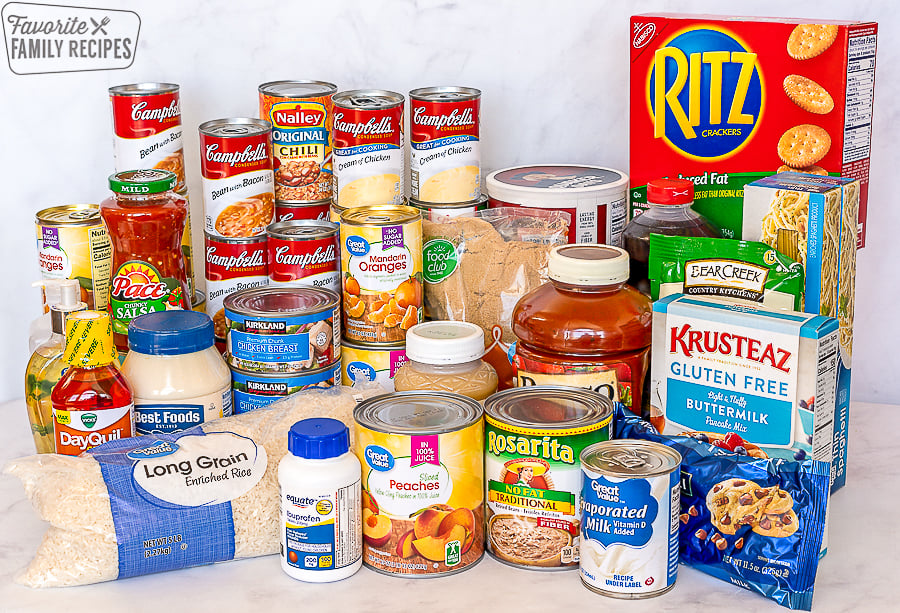
Canned Proteins
Canned proteins like tuna, chicken, and beans are excellent staples. They store well for years and require no preparation beyond opening the can. If you’ve ever been caught without power, you know how handy ready-to-eat protein can be to keep your energy up.
- Canned tuna or salmon
- Canned chicken or turkey
- Canned beans such as black beans, chickpeas, and kidney beans
- Canned chili or stews with meat
Don’t forget to stock a manual can opener, or choose pull-tab cans for easy access.
Dried Grains And Legumes
Dried grains and legumes are incredibly versatile and store for a very long time when kept dry. Rice, lentils, and dried beans provide the carbohydrates and proteins your body needs during tough times. Plus, they’re cheap and easy to prepare with just water and heat.
- White rice and brown rice
- Lentils and split peas
- Dried chickpeas and black beans
- Quinoa and oats
Have you tried cooking lentils without soaking? It’s a great time-saver when you’re low on fuel.
Shelf-stable Dairy Alternatives
Milk and cheese usually need refrigeration, but shelf-stable dairy alternatives keep your meals creamy and nutritious without cooling. Powdered milk, evaporated milk, and plant-based options like shelf-stable almond or soy milk are good choices. They can enrich recipes or be consumed on their own.
- Powdered milk
- Evaporated milk
- Shelf-stable almond milk
- Shelf-stable soy milk
Think about how a splash of powdered milk can improve the taste of your instant oatmeal or coffee.
Dehydrated Fruits And Vegetables
Dehydrated fruits and vegetables keep important vitamins intact and add flavor and texture to your meals. They’re lighter than canned goods and don’t need refrigeration. Carrying a mix of dried apples, carrots, and bell peppers can brighten up an emergency diet.
- Dried apples, bananas, and berries
- Dehydrated carrots, peas, and corn
- Freeze-dried tomatoes and bell peppers
- Vegetable chips with no added salt or sugar
Would you consider blending dried veggies into soups for extra nutrients and taste?
Credit: www.favfamilyrecipes.com
High-energy Foods
High-energy foods are essential for emergencies. They provide calories and nutrients to keep energy levels up. These foods store well and are easy to eat without cooking. Choose items that supply healthy fats, proteins, and carbohydrates. Focus on compact, nutrient-dense options to save space and sustain you longer.
Nuts And Seeds
Nuts and seeds offer excellent energy and nutrition. They contain healthy fats, protein, and fiber. These foods help keep you full and energized. Examples include almonds, walnuts, sunflower seeds, and pumpkin seeds. Store them in airtight containers to maintain freshness. They are lightweight and perfect for quick snacks.
Energy Bars And Trail Mix
Energy bars and trail mix combine various nutrient-rich ingredients. They are designed to provide a balanced energy boost. Choose bars with natural ingredients and low sugar. Trail mix often includes nuts, seeds, and dried fruit. It is easy to carry and eat on the go. These foods are convenient and have a long shelf life.
Nut Butters
Nut butters are rich in healthy fats and protein. Peanut butter and almond butter are popular choices. They spread easily on crackers or bread. Nut butters do not require refrigeration once opened if stored properly. They provide sustained energy and help maintain muscle strength. Pack small jars or single-serve packets for emergencies.
Long-term Storage Options
Long-term food storage is vital for any emergency plan. It ensures you have safe, nutritious food that lasts months or years. Choosing the right foods helps reduce waste and saves space. You want items that keep well without refrigeration and provide energy and nutrients.
Freeze-dried Meals
Freeze-dried meals remove moisture to stop bacteria and mold growth. These meals are lightweight and easy to store. They keep their taste and nutrients for years. Just add hot water to rehydrate and eat. Great for quick, no-cook meals during emergencies.
Vacuum-sealed Goods
Vacuum sealing removes air, slowing down food spoilage. It works well for meats, fruits, vegetables, and dry goods. These packages last longer and stay fresh. Vacuum-sealed foods save space and prevent freezer burn. Store them in cool, dark places for best results.
Bulk Staples
Bulk staples are essential items like rice, beans, and flour. They last long if kept dry and sealed. Buying in bulk saves money and reduces trips to the store. Store staples in airtight containers to keep pests away. These foods provide energy and form the base for many meals.
Hydration And Cooking Supplies
Storing the right hydration and cooking supplies is vital for any emergency plan. Clean water keeps the body functioning well. Cooking supplies help prepare meals when regular utilities fail. Both ensure comfort and safety during tough times.
Water Storage And Purification
Water is the most important survival need. Store at least one gallon per person each day. Use food-grade containers with tight lids. Keep water in a cool, dark place. Change stored water every six months to keep it fresh.
Purification methods remove harmful germs and chemicals. Common options include:
- Water purification tablets
- Portable water filters
- Boiling water for at least one minute
Having multiple ways to purify water adds safety. Always test your purification tools before an emergency.
Cooking Oils And Fats
Cooking oils and fats add calories and flavor to meals. Store oils with a long shelf life such as:
- Vegetable oil
- Olive oil
- Coconut oil
- Ghee or clarified butter
Keep oils in sealed containers away from heat and light. Use small bottles to avoid waste. Oils help cook food and boost energy during stressful times.
Portable Cooking Equipment
Portable cooking gear allows meal preparation anywhere. Essential items include:
- Camping stove or portable gas burner
- Fuel canisters or propane tanks
- Lightweight pots and pans
- Matches or a lighter in a waterproof container
Choose compact, durable equipment. Practice using your cooking gear before an emergency. This saves time and frustration when it matters most.
Special Dietary Needs
Planning for an emergency means thinking about everyone’s needs, especially if you or your loved ones have special dietary requirements. It’s not just about having food but having the right kind of food that supports health and well-being during stressful times. You might find yourself wondering how to store foods that meet these specific needs without sacrificing taste or nutrition.
Gluten-free Options
If gluten intolerance or celiac disease affects someone in your household, storing gluten-free staples is essential. Keep items like rice, quinoa, and gluten-free oats on hand—they last long and provide good energy. Don’t forget gluten-free pasta and canned beans; they’re easy to prepare and filling.
Many gluten-free flours, such as almond or coconut flour, can be stored for baking or thickening meals. Have you checked labels carefully? Some processed foods may contain hidden gluten, so choosing certified gluten-free products gives you peace of mind.
Vegan And Vegetarian Choices
Vegetarian or vegan diets require thoughtful food storage to ensure protein and nutrient intake. Stock up on dried lentils, chickpeas, and split peas—they keep well and are versatile for soups or stews. Nut butters and seeds like chia or flax add healthy fats and protein.
Dehydrated vegetables and fortified plant-based milks can be lifesavers when fresh produce isn’t available. Think about how you’ll prepare meals without meat or dairy—having a variety of grains and legumes helps you stay nourished. Have you tested your emergency recipes beforehand?
Allergy-friendly Foods
Food allergies can turn an emergency food supply into a risk if not handled carefully. Identify any allergens such as nuts, dairy, or soy and exclude those from your stored items. Instead, focus on hypoallergenic options like rice, sweet potatoes, and fresh or canned fruits.
Always label your emergency foods clearly to avoid mix-ups. Consider keeping a separate container for allergy-safe snacks and meals. How will you manage cross-contamination when resources are limited?

Credit: trueprepper.com
Storage Tips And Rotation
Keeping your emergency food supplies fresh and safe requires more than just buying the right items. How you store and rotate these foods can make a big difference in their shelf life and usability. Proper storage techniques help you avoid waste and ensure you always have reliable options when you need them most.
Proper Container Selection
Choosing the right containers protects your food from pests, moisture, and air exposure. Airtight containers made of food-grade plastic or glass work well for dry goods like rice, beans, and flour.
My experience taught me the value of airtight containers after discovering some stored grains had bugs. Switching to sealed containers stopped the problem immediately.
Use containers with secure lids and consider vacuum-sealed bags for longer-term storage. Label each container clearly with contents and purchase date for easy tracking.
Temperature And Humidity Control
Where you store your emergency food matters as much as how you store it. Ideal storage areas are cool, dark, and dry to slow down spoilage and maintain quality.
Basements or pantries away from heat sources work well, but avoid places with high humidity like near washing machines or dishwashers.
Invest in a hygrometer to monitor humidity levels; keeping it below 60% can prevent mold and food degradation. Have you checked the temperature and humidity where your supplies sit?
Monitoring Expiration Dates
Even long-lasting foods have a shelf life. Regularly check expiration dates and rotate your stock so older items are used first.
Use a simple system: place newer purchases behind older ones on your shelves. This practice, often called “first in, first out,” keeps your supplies fresh.
Set reminders on your phone or calendar to review your food storage every few months. This habit helps you catch expired items early and update your stock as needed.
Credit: www.smithsonianmag.com
Frequently Asked Questions
What Are The Best Non-perishable Foods For Emergencies?
Non-perishable foods are essential for emergencies. Canned goods like beans, vegetables, and fruits are great choices. Dried foods such as pasta, rice, and oats store well. Consider high-energy snacks like nuts and granola bars. Ensure you have a mix of proteins, carbohydrates, and fats to sustain energy levels.
How Long Can Canned Foods Last In Storage?
Canned foods are ideal for long-term storage. Most canned goods last two to five years if stored properly. Check expiration dates and store them in a cool, dry place. Regularly rotate your stock to ensure freshness and safety. Properly stored canned foods can be a reliable emergency resource.
Should I Store Water With Emergency Food Supplies?
Yes, storing water is crucial for emergencies. Aim for one gallon per person per day. Include water for cooking and sanitation needs. Use sealed, clean containers to prevent contamination. Regularly check and replace stored water to ensure safety. Access to clean water is vital during emergencies.
Can I Include Freeze-dried Foods In My Emergency Kit?
Yes, freeze-dried foods are excellent for emergencies. They’re lightweight, compact, and have a long shelf life. Just add water to rehydrate them. Freeze-dried meals offer variety and nutrition. They are great for long-term storage and provide convenience during emergency situations.
Conclusion
Storing the right foods helps you stay safe during emergencies. Choose items that last long and need little preparation. Think about nutrition, taste, and ease of use. Rotate your supplies often to keep them fresh. Water is just as important as food.
Plan ahead to avoid stress when disaster strikes. Being prepared brings peace of mind. Take small steps now for a safer tomorrow.


