Have you ever wondered if the HIV virus can survive in water? You might worry about swimming pools, lakes, or even everyday water sources.
Understanding how HIV behaves outside the body is key to keeping yourself and your loved ones safe. This article will clear up common fears and give you clear, simple facts about HIV and water. Keep reading to learn what really matters when it comes to HIV survival and water safety.
Hiv And Water: The Basics
Understanding the relationship between HIV and water is crucial for clearing up common myths and fears. Many people worry about the possibility of HIV surviving in water and whether it can be transmitted through water sources. Let’s break down the basics to give you clear, accurate information that can help you stay informed and safe.
What Is Hiv?
HIV stands for Human Immunodeficiency Virus. It attacks the body’s immune system, making it harder to fight infections and diseases. Without treatment, HIV can lead to AIDS, which is the most severe stage of the infection.
HIV is a fragile virus. It cannot survive long outside the human body because it needs specific conditions to live and multiply. This fragility is important when considering its survival in environments like water.
How Hiv Transmits
HIV spreads through direct contact with certain body fluids from a person who has the virus. These fluids include blood, semen, vaginal fluids, rectal fluids, and breast milk.
- Unprotected sexual contact
- Sharing needles or syringes
- From mother to child during childbirth or breastfeeding
- Blood transfusions with contaminated blood (rare in screened supplies)
Water is not one of these transmission routes. The virus cannot live or multiply in water, so it does not pose a risk if you come into contact with water that has been exposed to HIV. Does this change how you think about everyday activities like swimming or sharing a drinking source?
Myths About Hiv In Water
Many myths surround HIV and water. These myths cause fear and confusion. Understanding the truth helps stop stigma and wrong ideas. HIV is a virus that spreads through specific body fluids. Water is not a place where HIV can survive or spread. Let’s explore common myths and where they come from.
Common Misconceptions
- HIV can live in swimming pools or lakes.
- Sharing water bottles or touching water spreads HIV.
- Drinking from the same water source as someone with HIV is risky.
- HIV survives long outside the human body, including in water.
None of these are true. HIV is very fragile outside the body. It cannot reproduce or survive long in water. Water dilutes the virus quickly. The virus dies almost immediately when exposed to the environment.
Sources Of Misinformation
- Old myths passed down without facts.
- Misunderstood scientific terms.
- Media reports without proper explanation.
- Lack of education about how HIV spreads.
These sources create fear and stigma. People may avoid swimming pools or drinking water unnecessarily. Education and clear information are key to stopping these myths. Knowing the truth about HIV and water keeps everyone safer and more informed.
Hiv Survival In Water
HIV survival in water is a common question. Understanding whether the virus can live in water helps clear many doubts. The HIV virus does not thrive outside the human body. Water is not a suitable environment for HIV to stay active. This section explains the science behind HIV survival in water and the factors that affect it.
Scientific Evidence
Research shows HIV cannot survive long in water. The virus quickly loses its ability to infect outside the body. Studies tested HIV in different water types. In all cases, the virus became inactive within minutes.
HIV needs human cells to live and multiply. Water lacks these cells. This makes water a poor place for HIV survival. Scientific tests confirm that HIV transmission through water is impossible.
Factors Affecting Virus Survival
Several factors influence how long HIV might last in water:
- Temperature:Higher temperatures kill the virus faster.
- Water Type:Chlorinated or treated water reduces virus survival time.
- Exposure to Air:HIV dies quickly when exposed to air.
- Time:The virus loses strength rapidly outside the body.
These factors together ensure HIV does not survive in water. The virus cannot spread through swimming pools, lakes, or drinking water.

Credit: www.cbc.ca
Risks Of Waterborne Hiv Transmission
Understanding the risks of HIV transmission through water is crucial for separating fact from fear. Many wonder if simply coming into contact with water can put them at risk. Let’s break down the realities and clear up common misconceptions.
Realistic Scenarios
HIV does not survive long outside the human body. It cannot reproduce in water or other environments, making waterborne transmission virtually impossible.
Imagine a swimming pool or a natural water source. Even if someone with HIV swims there, the virus quickly loses its ability to infect due to dilution and exposure to environmental factors.
Sharing drinking water or touching water surfaces also poses no risk. The virus requires direct access to the bloodstream or mucous membranes to cause infection.
Comparing To Other Transmission Modes
HIV spreads primarily through:
- Unprotected sexual contact
- Sharing needles or syringes
- Mother-to-child during birth or breastfeeding
- Blood transfusions with infected blood (rare with modern screening)
None of these involve water. Unlike diseases such as cholera or hepatitis A, HIV does not transmit through contaminated water.
Think about your daily routines—hugging a friend, sharing a meal, or swimming in a pool. None of these activities put you at risk for HIV. Does this change how you view everyday interactions with people living with HIV?
Safety Tips Around Water
Water is a vital part of life, but it can raise safety concerns, especially when thinking about viruses like HIV. Understanding how to stay safe around water helps you enjoy it without unnecessary worry. Let’s look at practical tips that keep you protected and informed.
Preventive Measures
HIV does not survive long outside the human body, especially in water. However, it’s wise to avoid contact with blood or open wounds when swimming or handling water in public places. Always cover cuts and scrapes with waterproof bandages to reduce any risk of infection.
Using personal towels and avoiding sharing items like razors or toothbrushes is a smart habit. These small actions protect you and those around you. Have you checked if your swimming area has clear hygiene rules? It’s worth asking to ensure safety standards are met.
Handling Water In Different Settings
In pools or lakes, the risk of HIV transmission through water is practically zero. Still, avoid swallowing water or exposing open wounds. Public pools often use chlorine, which kills many germs, but open water like lakes or rivers may not have such protections.
When dealing with drinking water, always use clean, treated sources. If you’re unsure about the water quality, boiling it is a reliable way to kill pathogens. Keeping your water safe is a simple step that protects your health beyond just concerns about HIV.

Credit: www.mdpi.com
Hiv Prevention Beyond Water Safety
Understanding that HIV does not survive in water is important, but your prevention efforts should go far beyond just water safety. Protecting yourself and others requires a comprehensive approach that includes safe behaviors and regular health check-ups. How proactive are you in managing your risk and supporting your health?
Safe Practices
Practicing safe behaviors is your strongest defense against HIV. Always use condoms during sexual activity; they are highly effective at preventing transmission. Avoid sharing needles or any equipment that can break the skin.
Consider open communication with your partner about HIV status and prevention methods. If you are sexually active, especially with multiple partners, regular use of protection is critical. Do you feel comfortable discussing these topics with your loved ones?
Importance Of Testing And Treatment
Getting tested regularly for HIV is essential, even if you feel healthy. Early detection leads to better treatment outcomes and reduces the chance of passing the virus to others. Many clinics offer free and confidential testing.
If you test positive, starting antiretroviral therapy (ART) immediately can keep the virus under control. Treatment not only improves your health but also lowers your viral load to undetectable levels, making transmission unlikely. Are you aware of where to find testing and treatment services near you?
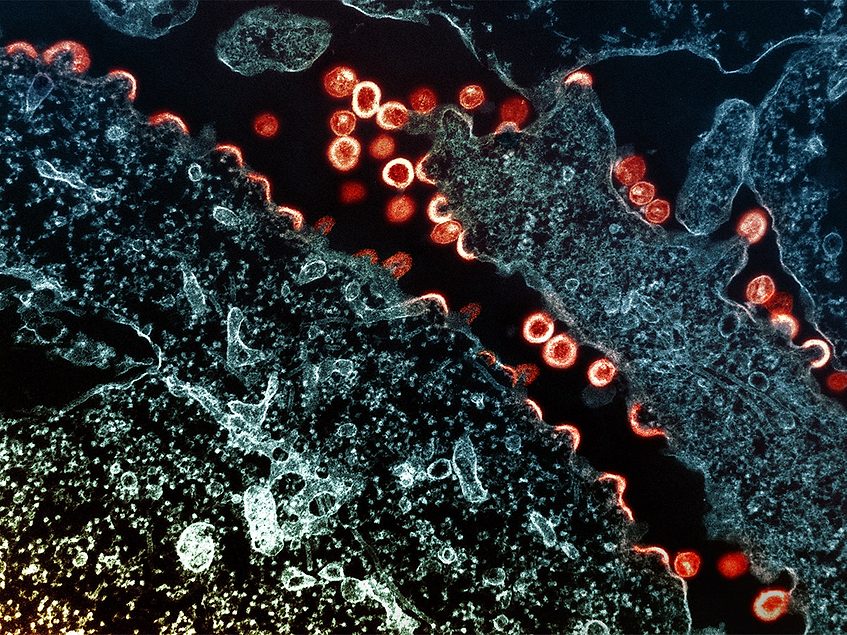
Credit: www.bioworld.com
Frequently Asked Questions
Can Hiv Survive In Swimming Pool Water?
HIV cannot survive in swimming pool water. The virus is unable to live outside the human body for long. Chlorine and other chemicals in pool water also kill the virus. Therefore, the risk of HIV transmission through swimming pools is nonexistent.
Is There A Risk Of Hiv From Tap Water?
No, HIV cannot survive in tap water. The virus quickly becomes inactive once exposed to the environment. Drinking, bathing, or cooking with tap water poses no risk of HIV transmission. The virus requires a specific host environment to remain active.
Does Hiv Spread Through Ocean Water?
HIV does not survive in ocean water. The virus cannot live outside the human body for extended periods. Saltwater in the ocean further reduces the virus’s ability to survive. Therefore, there is no risk of HIV transmission in ocean water.
Can Hiv Be Transmitted Through Drinking Water?
HIV cannot be transmitted through drinking water. The virus is unable to survive in water outside the human body. It requires specific conditions to remain active. Drinking water does not pose any risk of HIV transmission.
Conclusion
HIV does not survive long in water outside the body. It needs specific conditions to stay alive. Water dilutes and breaks down the virus quickly. You cannot catch HIV from swimming pools or lakes. The main ways to get HIV are through blood, sex, or from mother to child.
Knowing this helps reduce unnecessary fears. Stay informed and focus on real risks. Safe practices protect you better than worrying about water. Understanding HIV keeps you calm and safe every day.


