Have you ever wondered if the rabies virus can survive in water? If you’re concerned about your safety when swimming, drinking, or coming into contact with water, this question matters more than you might think.
Understanding how long rabies can live outside the body, especially in water, can help you protect yourself and your loved ones. Keep reading to discover the facts about rabies virus survival in water and what it means for your health.
Credit: dogstarfoundation.com
Rabies Virus Basics
The rabies virus is a deadly virus that affects the nervous system. It causes rabies, a fatal disease in humans and animals. Understanding its basics helps us learn how it spreads and survives.
Virus Structure And Characteristics
The rabies virus is shaped like a bullet. It has a single strand of RNA inside. This RNA carries the genetic information. The virus is covered by a protective layer called an envelope. This envelope helps the virus attach to cells.
The virus is sensitive to heat and sunlight. It cannot survive long outside a host body. It dies quickly in dry or warm environments. But it can live longer in cold, wet places.
Common Transmission Routes
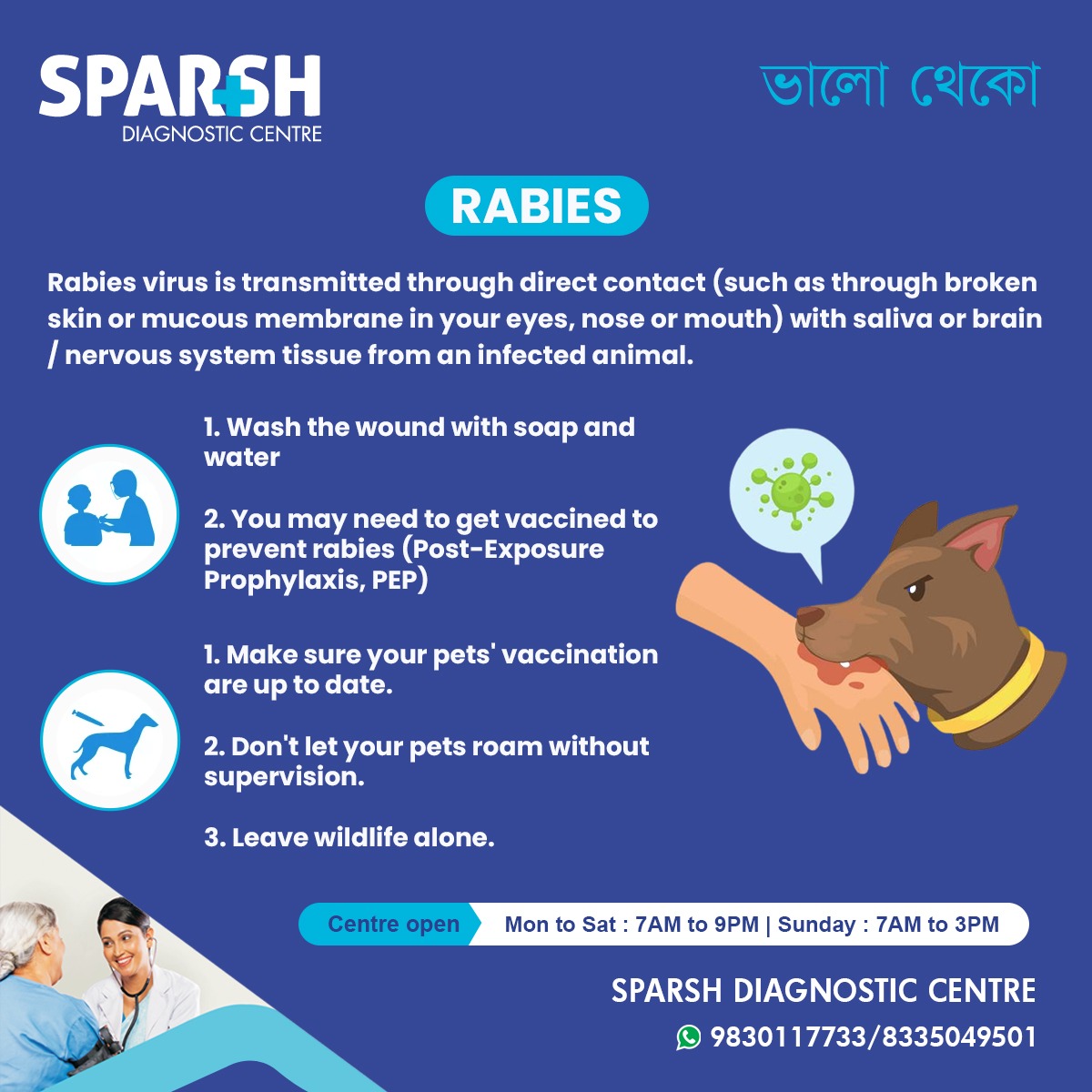
Rabies usually spreads through bites from infected animals. The virus is present in the saliva. When an infected animal bites, the virus enters the body. It travels along nerves to the brain.
Other transmission ways include:
- Scratch or open wound contact with infected saliva
- Contact with mucous membranes like eyes or mouth
- Rare cases: organ transplants from infected donors
Animals that often carry rabies are dogs, bats, raccoons, and foxes. Humans get infected mostly through dog bites in many countries.
Survival Of Rabies Virus Outside Hosts
Understanding how long the rabies virus can survive outside a host is crucial for assessing risks, especially if you come into contact with potentially contaminated environments. Rabies doesn’t just vanish once it leaves the body; its survival depends heavily on the conditions it encounters. Let’s look at how this virus behaves in the environment and what factors influence its longevity.
Environmental Stability
The rabies virus is quite fragile when exposed to the outside world. It cannot survive for long in open air or direct sunlight because UV rays break down its structure quickly.
In water, the virus’s survival is limited and usually measured in hours rather than days. Cold and dark environments can extend its life slightly, but it still loses infectivity fairly fast compared to other viruses.
This means that simply finding the virus in water is rare, and it’s unlikely to infect you unless there is direct contact with fresh saliva or neural tissue from an infected animal.
Factors Affecting Virus Longevity
- Temperature:Lower temperatures slow down the virus’s decay, allowing it to survive a bit longer. Warmer conditions speed up its breakdown.
- Exposure to Sunlight:UV light destroys the virus rapidly. If you leave contaminated material under sunlight, the risk decreases quickly.
- pH Levels:Extreme acidic or alkaline environments can inactivate the virus. Neutral pH is more favorable for its brief survival.
- Presence of Organic Material:The virus can survive longer if protected inside organic substances like saliva or neural tissue, which shield it from environmental damage.
Think about a scenario where you find an animal carcass near a water source. Would you assume the water itself is a high-risk for rabies? Probably not, because the virus doesn’t thrive in such conditions. Understanding these factors helps you make safer decisions in outdoor environments.
Rabies Virus And Water
Understanding how the rabies virus interacts with water is important, especially if you spend time outdoors near lakes, rivers, or ponds. You might wonder if the virus can survive in water and pose a risk to humans or animals. Let’s take a closer look at the behavior of the rabies virus in watery environments and what scientific studies reveal.
Water As A Potential Medium
Water can carry many germs, but not all viruses survive well in it. The rabies virus primarily spreads through saliva when an infected animal bites another. It is not adapted to live or move freely in water.
Still, could water act as a temporary carrier if contaminated? The virus is sensitive to environmental conditions such as temperature, pH, and exposure to sunlight. These factors quickly reduce its chances of survival.
Laboratory Studies On Virus In Water
Scientists have tested rabies virus survival in controlled water samples. These studies show the virus loses infectivity within hours to days, depending on conditions. For instance, cooler, dark water helps the virus survive a bit longer than warm, sunlit water.
One experiment found that the rabies virus could remain detectable in sterile water for up to 24 hours but was inactive beyond that time. This means the risk of catching rabies from natural water sources is very low.
Have you ever wondered if a dog’s lick near a pond could infect you? Based on lab findings, water itself is unlikely to transmit rabies. Your focus should stay on avoiding direct contact with potentially rabid animals instead.

Credit: medium.com
Risk Of Rabies Transmission Through Water
Understanding the risk of rabies transmission through water is important, especially if you spend time in natural water sources like lakes or rivers. Rabies virus primarily spreads through the bite of infected animals, but many wonder if contaminated water could pose a threat. Let’s break down the facts and see what the evidence says about this possible transmission route.
Real-world Cases And Evidence
Actual cases of rabies transmitted through water are extremely rare or virtually nonexistent. Most documented rabies infections come from direct contact with saliva or nervous tissue via bites or scratches. Research shows the rabies virus does not survive long outside a host, particularly in water environments where it breaks down quickly.
If you think about it, water dilutes the virus and exposes it to elements like sunlight and temperature changes, which reduce its infectivity. Scientists have tested water samples exposed to rabies virus and found the virus loses its ability to infect within hours. This means casual contact with water, even if contaminated by saliva, is highly unlikely to result in infection.
Comparing Water Transmission To Other Routes
Direct animal bites remain the most significant risk for rabies transmission. The virus is concentrated in saliva and nervous tissue, making bites the most efficient way to transmit infection. Scratches or open wounds exposed to saliva can also pose risks, but these are far less common.
In comparison, water exposure is a weak transmission route because the virus cannot survive long in it. Imagine the difference between a fresh bite and dipping your hand in a pond where an infected animal once drank. The virus in the water would be far less concentrated and much less viable.
So, should you avoid swimming or drinking from natural water sources? While it’s always good to avoid contaminated water for other health reasons, rabies should not be a major concern in this context. Focus more on avoiding contact with wild animals and vaccinating pets to protect yourself from rabies.
Preventive Measures Around Water Sources
Preventing rabies virus contamination near water sources protects both humans and animals. Taking simple actions around water bodies reduces the risk of exposure and infection. Awareness and careful habits keep communities safer and healthier.
Safe Water Practices
Use clean, treated water for drinking and cooking. Avoid drinking or using water from stagnant ponds or unknown sources. Boil or filter water before use. Store water in covered containers to prevent contamination. Encourage regular cleaning of water storage tanks and wells. Teach children not to drink from open water bodies or puddles.
Avoiding Exposure In High-risk Areas
Stay away from water sources near wild animal habitats. Do not swim or wade in water where sick or dead animals are present. Report any unusual animal behavior near water to local health officials. Avoid feeding or touching stray or wild animals near water points. Use protective gear like boots and gloves if contact with water is necessary in risky areas.
Myths And Facts About Rabies In Water
Many people worry about rabies spreading through water. This fear comes from misunderstandings about how the rabies virus behaves outside a host. Separating myths from facts helps clear up confusion. It also guides safe actions around water sources and animals.
Common Misconceptions
- Rabies virus can live for days in lakes or rivers.
- Drinking or swimming in water with rabies is dangerous.
- Animals can catch rabies by drinking from the same water.
- Water can be a source of rabies infection for humans.
Scientific Clarifications
The rabies virus is fragile outside a living host. It cannot survive long in water. The virus quickly loses its ability to infect once outside the body fluids.
Water dilutes and breaks down the virus particles fast. Cold or warm water does not help the virus stay alive. Rabies spreads mainly through bites or saliva contact with broken skin.
There is no evidence of rabies transmission through water. Animals do not get rabies from drinking the same water. Safe water use remains important, but rabies risk in water is extremely low.

Credit: www.youtube.com
Frequently Asked Questions
Can Rabies Virus Live In Water?
Rabies virus cannot survive long in water. It requires a host to remain viable. Environmental factors, like sunlight and temperature, quickly inactivate the virus in water. Thus, transmission through water is highly unlikely.
How Does Rabies Spread In The Environment?
Rabies primarily spreads through saliva in bites from infected animals. It does not spread through water or air. The virus requires direct contact with mucous membranes or an open wound to infect a new host.
Can Animals Get Rabies From Drinking Water?
Animals are unlikely to contract rabies from drinking water. The virus does not survive well outside a host. Rabies is mainly transmitted through direct contact, such as bites or scratches from infected animals.
What Factors Affect Rabies Virus Survival?
Rabies virus survival is affected by temperature, sunlight, and environmental exposure. It deactivates quickly outside a host. The virus does not thrive in open environments, making transmission outside direct contact rare.
Conclusion
Rabies virus does not survive long in water. It needs a host to live and spread. Water dilutes and breaks down the virus quickly. This lowers the chance of infection through water. Still, avoid contact with wild animals or their fluids.
Always take care around animals showing strange behavior. Knowing how rabies spreads helps keep you safe. Stay informed and cautious to protect yourself and others.


