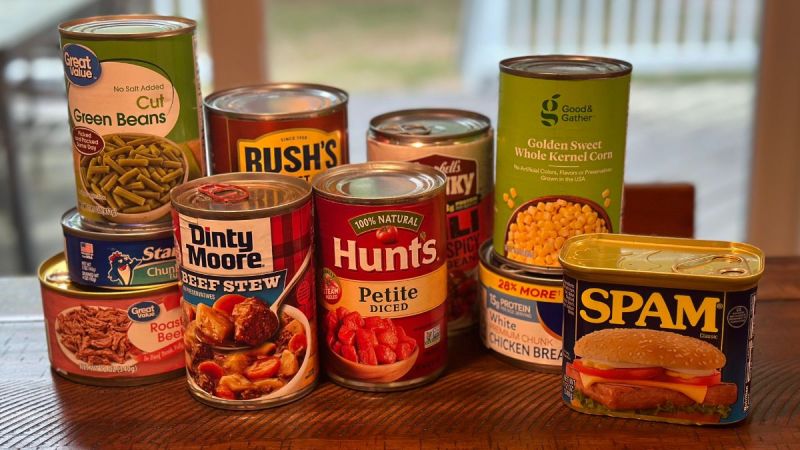
When an emergency strikes, having the right food on hand can make all the difference. You want to be sure your supplies will last, keep you nourished, and stay safe to eat.
But with so many options, how do you decide what tinned food to buy for your emergency prep? This guide will help you choose the best canned goods that meet your needs, taste good, and give you peace of mind.
Keep reading to discover exactly what to stock up on, so you’re ready no matter what happens.

Credit: trueprepper.com
Best Protein Choices
Choosing the best protein sources for your emergency food supply is vital. Protein supports muscle health and keeps you full longer. It also helps repair body tissues and boosts your immune system. Tinned foods provide long-lasting, easy-to-store protein options. These choices are convenient and nutritious for tough times.
Canned Tuna And Salmon
Canned tuna and salmon are excellent protein picks. They offer omega-3 fatty acids, which support heart health. Both are low in calories and high in essential nutrients. Tuna and salmon can be eaten cold or heated. They mix well in salads, sandwiches, and casseroles. Choose varieties packed in water for a healthier option.
Canned Chicken And Turkey
Canned chicken and turkey give you lean protein. These options are versatile for many recipes. They contain low fat and no added sugar. Canned poultry stores well and tastes good when heated. Use it in soups, wraps, or mixed with vegetables. Their mild flavor suits different meals and diets.
Beans And Lentils
Beans and lentils provide plant-based protein and fiber. They help keep digestion healthy and blood sugar stable. These legumes come in many varieties like kidney beans, chickpeas, and lentils. They are filling and budget-friendly. Beans and lentils can be added to stews, salads, or pureed for dips. They also last a long time in cans.
Vegetables And Fruits
Vegetables and fruits are essential for a balanced emergency food supply. They provide vitamins, minerals, and fiber needed to stay healthy. Tinned options last long and require no refrigeration. Choosing a variety ensures diverse nutrients and flavors.
Mixed Vegetables
Mixed vegetables offer a blend of nutrients in one can. They usually include carrots, peas, beans, and corn. This variety helps keep meals interesting. Mixed vegetables cook quickly and work well in soups and stews. Look for low-sodium options to keep meals healthier.
Corn And Peas
Corn and peas are sweet and easy to eat. They add texture and color to dishes. Both are good sources of fiber and vitamins. Canned corn and peas can be eaten cold or heated. Choose cans without added sugar or salt for better nutrition.
Canned Fruits In Juice
Canned fruits in juice provide a sweet treat and important vitamins. Juice-packed fruits are healthier than those in syrup. Fruits like peaches, pineapples, and pears last long and taste great. Keep a variety to enjoy different flavors and nutrients. Drain excess juice to reduce sugar intake.
Soups And Stews
Soups and stews are a must-have in your emergency food supplies. They offer comfort, warmth, and nutrition when fresh meals aren’t an option. Plus, they’re easy to store and often packed with essential nutrients to keep your energy up during tough times.
Hearty Meat-based Soups
Meat-based soups provide a great source of protein and calories, which are crucial for maintaining strength. Look for options like beef stew, chicken noodle, or lamb broth. These soups often include vegetables and grains, making them a balanced meal in one can.
Think about how filling these soups can be after a long, stressful day without access to fresh food. Have you ever noticed how a warm bowl of beef stew can lift your spirits? Stocking up on these can be a game-changer in an emergency.
Vegetarian Soups
Vegetarian soups are perfect if you want variety or have dietary restrictions. Choose canned tomato soup, lentil soup, or mixed vegetable blends. They’re rich in vitamins, fiber, and antioxidants, supporting your immune system when it matters most.
These soups are also lighter on your digestive system, which can be helpful if you’re under stress. Have you tried a hearty lentil soup that feels like a full meal? It’s surprising how satisfying these vegetarian options can be during an emergency.
Chili And Bean Stews
Chili and bean stews are packed with protein and fiber, helping you stay full longer. Look for varieties with beans, tomatoes, and spices for flavor and nutrition. These stews often come ready to eat, so no extra cooking is needed.
Imagine opening a can of chili after a long day and having a warm, tasty meal ready in minutes. Wouldn’t that ease a lot of stress during uncertain times? These options are practical, filling, and can be a favorite in your emergency food stash.
Staple Carbohydrates
Staple carbohydrates are essential in any emergency food supply. They provide energy and keep you full for longer. Choosing the right tinned carbohydrates ensures a reliable food source during power outages or disasters.
Canned Rice And Pasta
Canned rice and pasta offer quick, easy meals with long shelf life. They are pre-cooked and sealed, so you just need to heat them. These options save cooking time and reduce water use.
- Canned rice is soft and ready to eat.
- Canned pasta comes in various shapes and sauces.
- Both are lightweight and store well.
Instant Mashed Potatoes
Instant mashed potatoes in cans are a comforting, versatile choice. They cook fast and need only hot water or milk. This food is filling and pairs well with many dishes.
- Easy to prepare with minimal effort.
- Lightweight and space-saving for storage.
- Long shelf life and nutritious.
Specialty Survival Items
Specialty survival items can make a big difference in your emergency food supply. These aren’t just basic staples—they offer variety, nutrition, and convenience when you need it most. Choosing the right specialty tinned foods ensures you stay nourished and satisfied during tough times.
Ready-to-eat Meals
Ready-to-eat meals in tins are lifesavers during emergencies. You don’t need a stove or extra prep—just open and eat. These meals often include hearty options like chili, stews, or pasta, giving you balanced nutrition and warmth.
Look for meals with a good mix of protein, carbs, and vegetables. They keep well for years and save you time and energy. Have you ever tried a canned beef stew that tastes almost homemade? It’s a game changer when you’re low on resources.
Canned Nut Butters
Canned nut butters, like peanut or almond butter, are compact energy powerhouses. They provide healthy fats and protein to keep your energy steady. Plus, they’re easy to spread on crackers or eat straight from the can.
These nut butters last a long time without refrigeration, making them ideal for your emergency kit. If you’ve ever been stuck without a quick snack, you know how valuable this can be. Do you have a favorite nut butter that keeps you going?
Shelf-stable Sauces And Condiments
Don’t overlook shelf-stable sauces and condiments in your emergency pantry. Items like canned tomato sauce, soy sauce, and hot sauce can add flavor and variety to bland meals. They make even simple canned foods more enjoyable.
These sauces often come in sealed tins or jars designed to last without refrigeration. Adding just a splash can boost morale and appetite during stressful times. What flavors would you add to brighten up your emergency meals?
Storage Tips
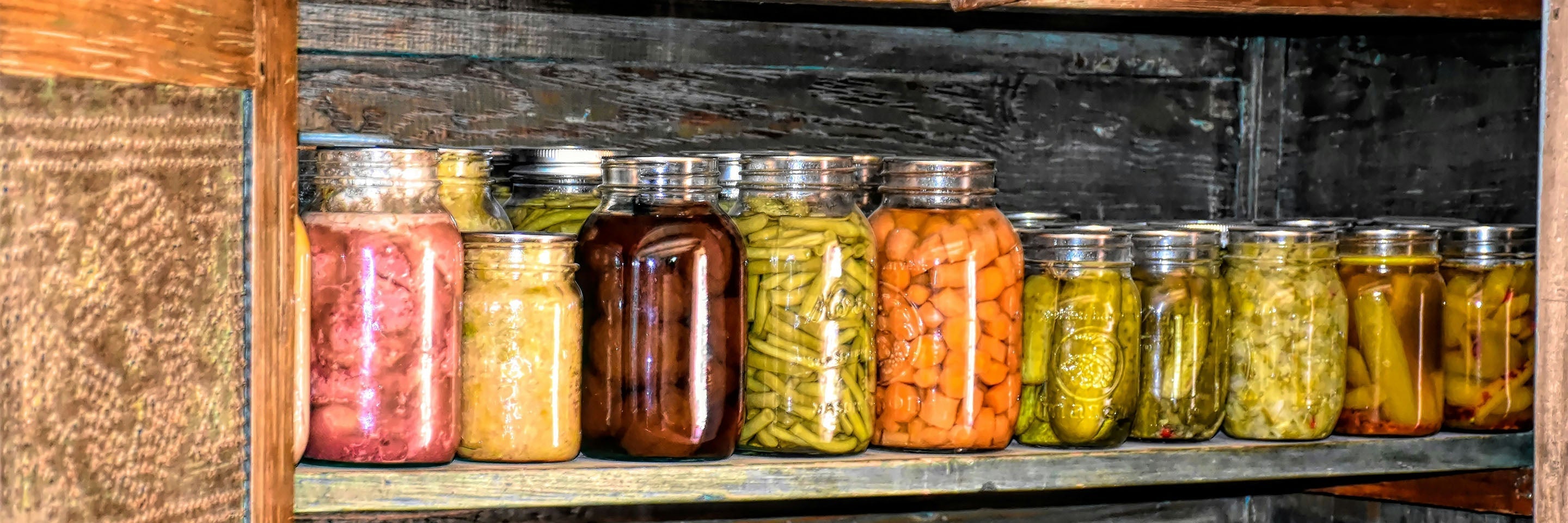
Storing tinned food correctly ensures it stays safe and tasty for emergencies. Good storage keeps food fresh and ready to use. It also helps avoid waste and saves money. Follow simple tips to keep your emergency food supply in top condition.
Shelf Life And Expiry Dates
Check the expiry date on each tin before buying. Most canned foods last between one and five years. Some, like canned beans or vegetables, can last even longer.
Use foods before their expiry date. Food past the date may lose taste or nutrients. Always pick tins with the longest shelf life first.
Proper Storage Conditions
Store tins in a cool, dry place. Heat and moisture can cause cans to rust or spoil faster.
Avoid direct sunlight or places near heaters. A pantry or cupboard works best.
Keep tins off the floor to prevent damage from water or pests.
Rotation And Usage
Use the “first in, first out” rule. Eat older tins before newer ones.
Label cans with the date of purchase to track freshness easily.
Regularly check your stock and replace any damaged or expired tins.
Nutritional Considerations
Choosing the right tinned food for an emergency means more than just picking items with a long shelf life. You need to think about how these foods will keep your body fueled and healthy during tough times. Paying attention to nutritional details can help you stay strong and avoid feeling sluggish or unwell when fresh food isn’t available.
Balancing Macronutrients
Your body needs a good mix of carbohydrates, proteins, and fats to function well. Many canned foods are rich in one macronutrient but low in others. For example, canned beans provide protein and carbs but are low in fat, while canned fish offers protein and fat but little carbohydrate.
Try to stock a variety of tinned foods to cover all bases. Mix canned vegetables, meats, and legumes to create meals that balance energy and muscle repair needs. Have you checked if your emergency stash includes both protein-rich and carb-heavy options?
Sodium And Preservatives
Tinned foods often contain added salt and preservatives to extend shelf life. While salt helps keep food safe, too much sodium can cause dehydration and increase blood pressure, especially during emergencies when water might be scarce.
Look for low-sodium or no-added-salt labels when possible. Rinse canned vegetables and beans before eating to reduce salt content. Do you know how much sodium you consume daily from your emergency supplies?
Vitamins And Minerals
Vitamins and minerals are crucial for your immune system and overall health. Unfortunately, some nutrients degrade over time in canned foods, especially vitamin C and some B vitamins.
Include a variety of tinned fruits and vegetables to maximize your intake of essential vitamins. Also, consider canned fish for important minerals like calcium and iron. What steps will you take to ensure your emergency food supports your nutrient needs?
Credit: mountainhouse.com
Credit: practicalselfreliance.com
Frequently Asked Questions
What Are The Best Tinned Foods For Emergencies?
Tinned beans, soups, and vegetables are excellent choices for emergencies. They provide essential nutrients and have long shelf lives. Tinned fish, like tuna or salmon, offer protein, while fruits add vitamins. Always check expiration dates and store them in a cool, dry place for maximum freshness.
How Long Do Tinned Foods Last?
Tinned foods usually last between two to five years. Always check the expiration date on the can. Proper storage in a cool, dry place can extend their shelf life. Cans with dents, rust, or swelling should be discarded, as they may indicate spoilage or contamination.
Can Tinned Foods Maintain Nutritional Value?
Yes, tinned foods retain most of their nutritional value. They are packed at peak freshness, preserving vitamins and minerals. Some nutrients, like vitamin C, might decrease during processing. However, tinned foods still provide essential nutrients, making them a reliable option for emergency preparedness.
Are Tinned Foods Safe To Eat Directly?
Yes, most tinned foods are safe to eat directly. They are pre-cooked during the canning process. Ensure the can is intact without dents or rust. Rinse canned beans and vegetables to reduce sodium content. Heating tinned foods can enhance flavor and texture but is not necessary for safety.
Conclusion
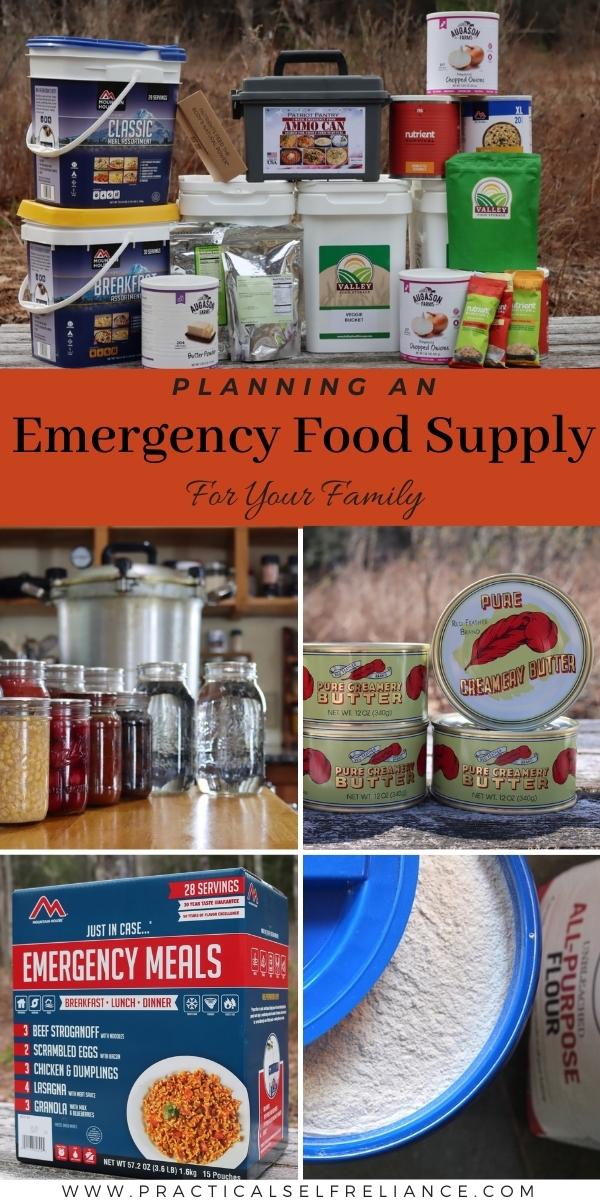
Choosing the right tinned food helps you stay prepared for emergencies. Include a mix of proteins, vegetables, and fruits for balanced nutrition. Pick items with long shelf life and easy opening. Store them in a cool, dry place away from sunlight.
Rotate your stock regularly to keep food fresh. This simple step ensures you have food ready when needed. Stay safe and ready by planning your emergency food supply today.


