Are you waiting to find out when the emergency food stamps will be issued? You’re not alone.
Many people rely on this support during tough times, and knowing the exact timing can help you plan better. You’ll get clear answers about the schedule, what to expect, and how to prepare. Keep reading to make sure you don’t miss out on the help you deserve.
Emergency Food Stamps Program
The Emergency Food Stamps Program is designed to provide quick and essential food assistance to individuals and families facing sudden financial hardships. This program acts as a safety net when unexpected events like job loss, natural disasters, or health crises disrupt your ability to put food on the table. Understanding how this program works can help you access the support you need when every meal counts.
Purpose And Benefits
The main goal of the Emergency Food Stamps Program is to offer immediate relief by supplying funds specifically for groceries. This helps you maintain a basic standard of nutrition without the stress of financial strain. Beyond just food, the program can improve your overall well-being by reducing anxiety and allowing you to focus on recovery or finding new income sources.
One benefit you might not expect is the program’s role in stabilizing communities during emergencies. When more families have access to food, local businesses like grocery stores also benefit from continued patronage. This creates a ripple effect of support that strengthens both individuals and neighborhoods.
Eligibility Criteria
To qualify for emergency food stamps, you usually need to demonstrate a sudden and severe change in your financial situation. This could be a loss of income, a disaster that damages your home, or other urgent circumstances. Each state has specific rules, but common factors include household income, expenses, and the immediacy of your need.
- Proof of recent income loss or disaster impact
- Residency in the state issuing the emergency benefits
- Verification of household size and expenses
- Application within a limited timeframe after the emergency
Have you ever faced a sudden financial setback and wondered where to turn for quick help? Knowing the eligibility requirements in advance can save you precious time and stress when emergencies hit. Take a moment to check your local program guidelines so you’re prepared if the unexpected happens.
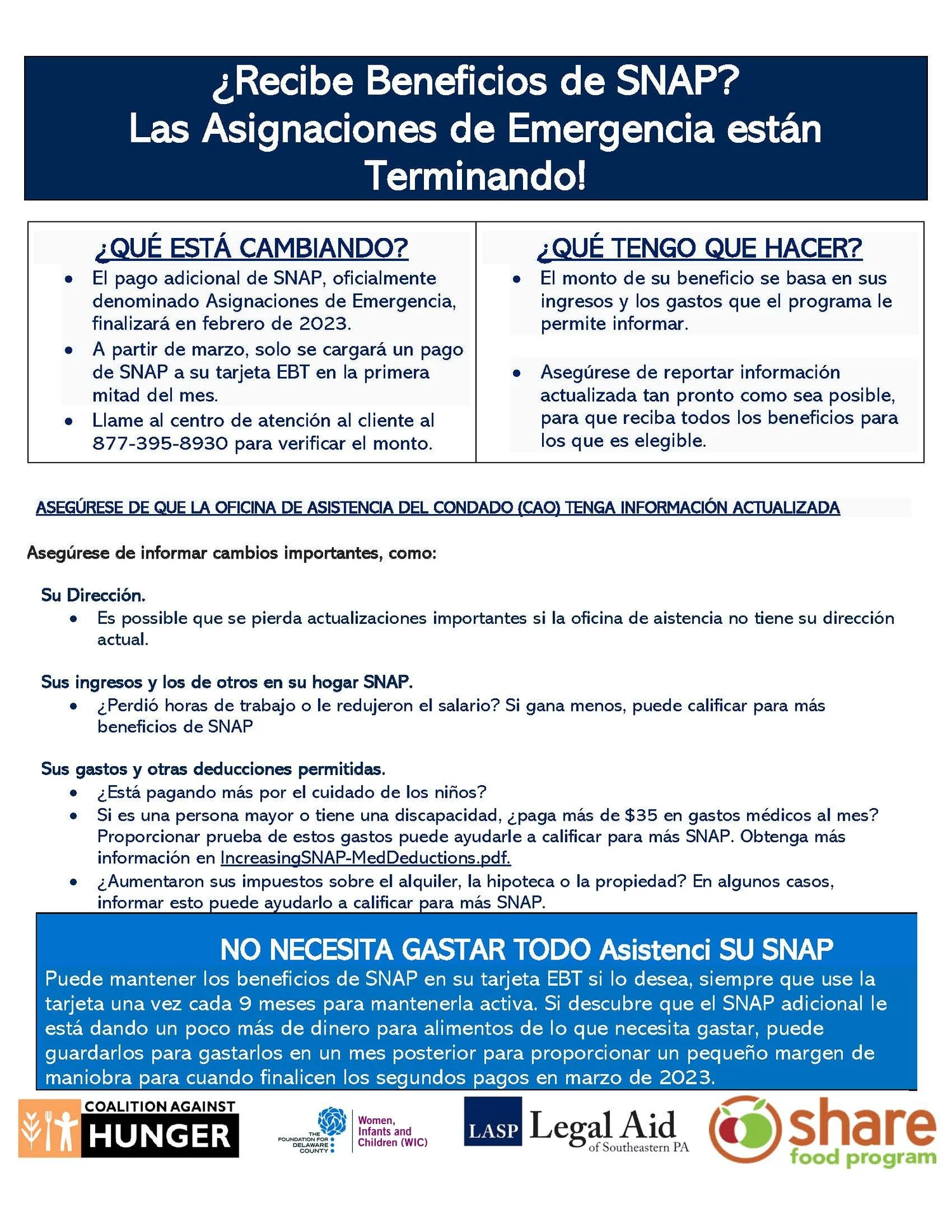
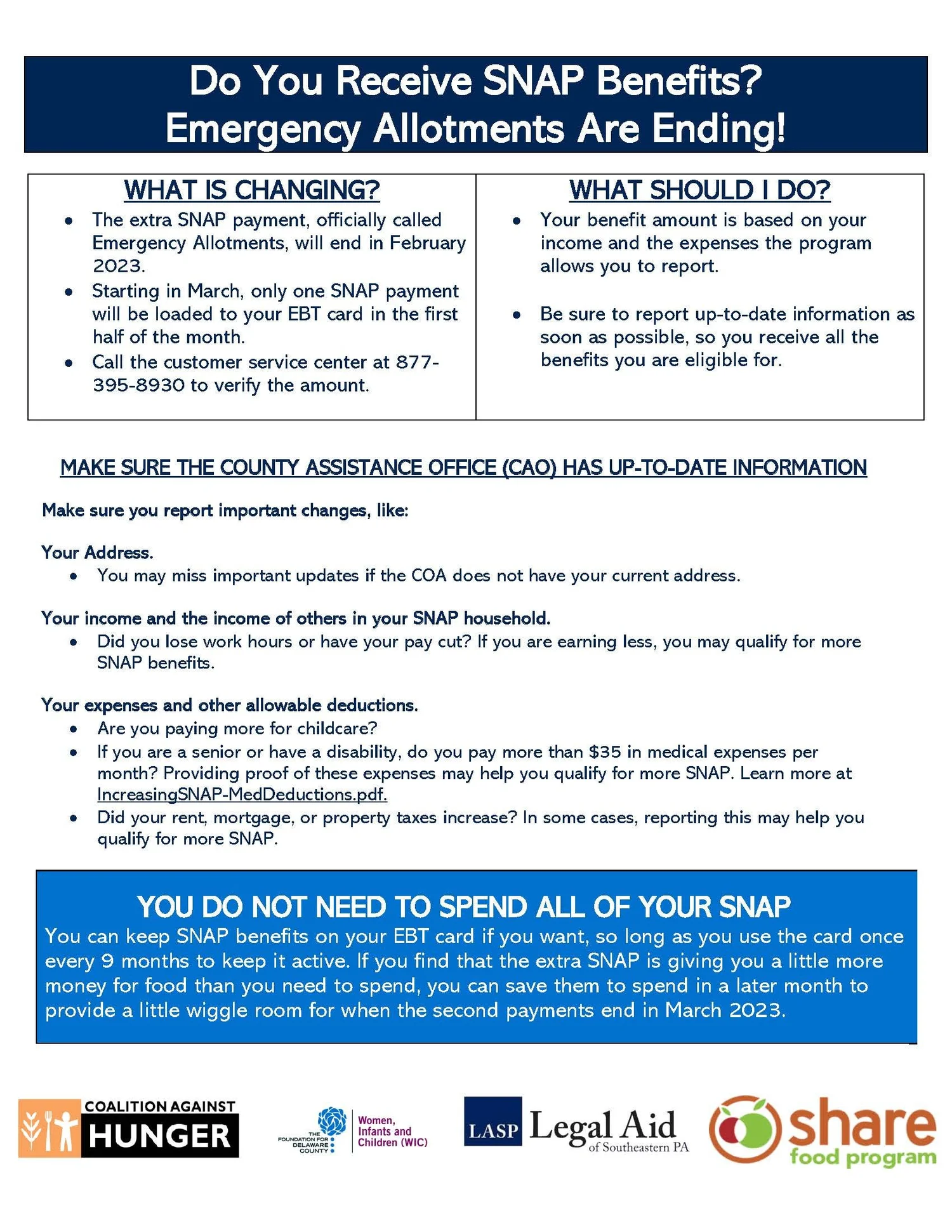
Credit: www.lasp.org
Application Process
Applying for emergency food stamps can feel overwhelming, but understanding the application process helps you move forward with confidence. Knowing exactly what steps to take and what documents to prepare saves time and reduces stress. Let’s break down how you can apply and what you’ll need to get your application approved quickly.
How To Apply
You can apply for emergency food stamps online, by phone, or in person at your local assistance office. Many states offer user-friendly websites where you can fill out the application form anytime, which is convenient if you have a busy schedule.
Calling the assistance office allows you to ask questions directly and get help filling out your application. Visiting in person might speed up the process if you prefer face-to-face support or need to submit documents immediately.
Have you checked if your state has a mobile app for applying? Some states now offer apps that make the process even faster and let you track your application status in real time.
Required Documents
Gathering the right documents upfront is crucial to avoid delays. You’ll typically need to provide proof of identity, such as a driver’s license or state ID.
Proof of income is next. This could be recent pay stubs, a letter from your employer, or benefits statements. Don’t forget to include proof of residency, like a utility bill or lease agreement.
In some cases, you might also need to submit information about your household size or expenses. Having these documents ready before you start can make the entire application smoother.
Key Dates For Issuance
Knowing the key dates for emergency food stamps helps you plan ahead. These dates mark when announcements and distributions happen. Staying informed ensures you don’t miss important updates or deadlines.
Announcement Timeline
Officials usually announce emergency food stamps several days before distribution starts. This gives time for agencies to prepare and for recipients to understand eligibility. Watch for news from local government offices and social services.
Announcements often include:
- Start date for applications
- Eligibility criteria updates
- Expected delivery or pickup dates
Distribution Schedule
The distribution schedule varies by location. Food stamps may be issued weekly or monthly. Some areas send benefits electronically, while others require in-person pickup.
Check your local social services website or contact offices for exact dates. Mark your calendar to avoid missing your benefits. Early application can speed up the process.
Factors Affecting Issuance Timing
Understanding the timing of emergency food stamp issuance requires looking at several key factors. These elements influence how quickly you can expect support after applying or during a crisis. Knowing what affects the process helps you prepare and manage your expectations.
State-level Variations
Each state runs its own food stamp program within federal guidelines. This means the speed of emergency benefits can differ widely depending on where you live.
Some states have streamlined systems with online applications and quick approvals. Others may rely on manual processing, causing delays.
For example, if you live in a state with automated processing, you might get your emergency food stamps within a few days. But in states with less digital infrastructure, it could take weeks.
Have you checked your state’s food assistance website? Knowing your local process can save you from unnecessary waiting and frustration.
Funding And Budget Constraints
Emergency food stamp availability also depends heavily on funding. If federal or state budgets are tight, issuance can slow down or pause entirely.
Budget constraints may force states to prioritize who receives aid first, often delaying help for others.
This happened during past economic downturns, where demand surged but funding lagged behind. Some applicants waited longer simply because resources were stretched thin.
When applying, consider how current events might impact funding. Are there recent budget cuts or emergency declarations? These clues can hint at how fast you’ll receive benefits.
What To Expect After Approval
After approval for emergency food stamps, you might wonder what happens next. The process is straightforward and designed to help you quickly access the benefits. Understanding what to expect can reduce any stress and confusion. You will receive your benefits and learn how to use them effectively.
Receiving Benefits
Benefits usually arrive within a few days after approval. Most states issue food stamps through an Electronic Benefit Transfer (EBT) card. This card works like a debit card and is mailed to your address.
Once you get the EBT card, you must activate it by calling the number on the card. Activation is quick and simple. After activation, your monthly benefits load automatically on the card.
Using The Food Stamps
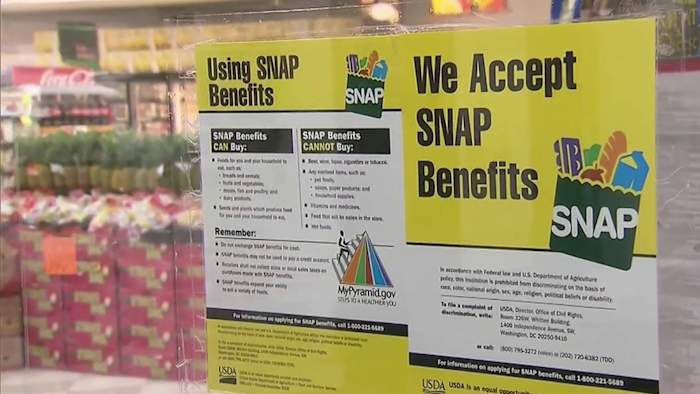
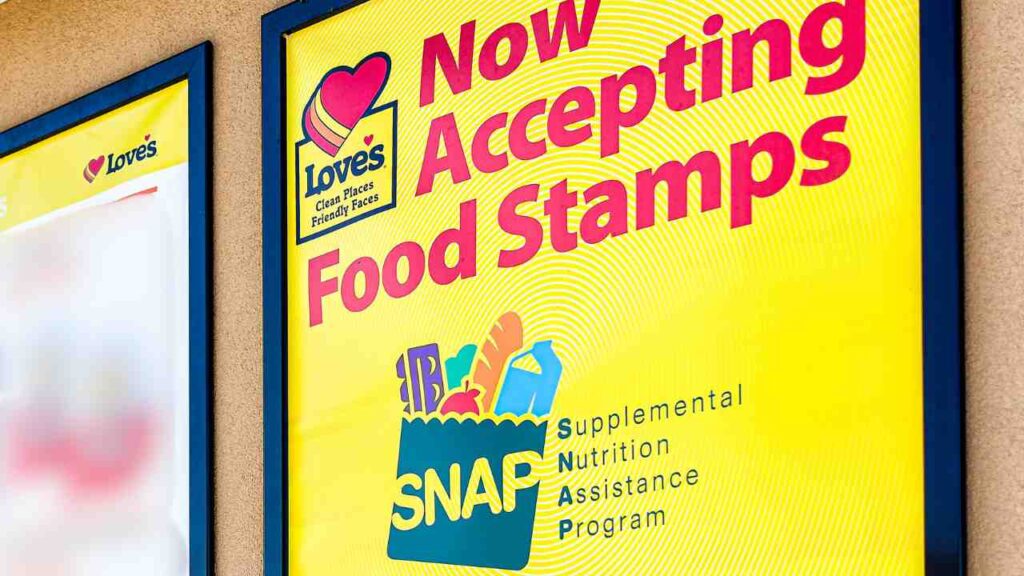
You can use your food stamps at many grocery stores and markets. Look for stores that display the EBT or SNAP logo. When shopping, swipe your EBT card at checkout to pay for eligible food items.
Remember, food stamps cover most foods but not items like alcohol, tobacco, or hot prepared foods. Keep track of your balance by checking online, through the EBT app, or by phone.
Credit: futbolete.com
Tips To Stay Updated
Staying updated on emergency food stamps can make a big difference in managing your resources effectively. Information often changes quickly, so having reliable ways to get the latest news is crucial. Here are practical tips to help you stay informed without feeling overwhelmed.
Official Resources
Check government websites regularly, such as your state’s Department of Social Services or the USDA’s Food and Nutrition Service page. These sites post official announcements about food stamp issuance dates and eligibility changes.
Sign up for email alerts if available. This keeps updates coming straight to your inbox without extra effort.
Don’t forget to verify information before acting on it. Scammers sometimes share false updates, so always cross-check with trusted government sources.
Community Support Channels
Local community centers and food banks often have up-to-date information on emergency food assistance programs. They also provide guidance on how to apply or appeal if you face difficulties.
Join social media groups focused on community aid or local assistance programs. Members share real-time news and personal experiences that can help you understand the process better.
Have you ever missed a deadline because you didn’t hear about it in time? Connecting with neighbors or support groups can prevent that by creating a network of shared information.

Credit: www.economist.com
Frequently Asked Questions
What Are Emergency Food Stamps?
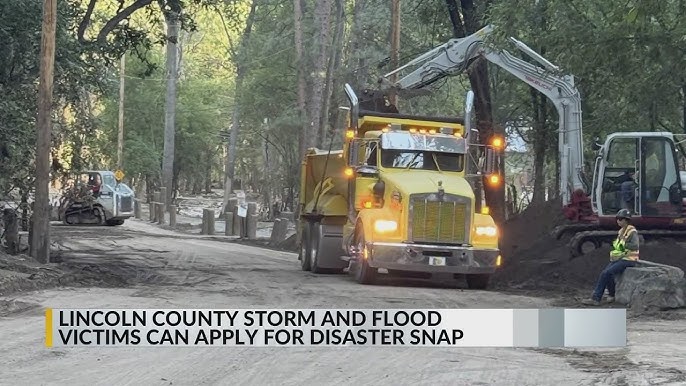
Emergency food stamps, or Disaster SNAP, provide temporary food assistance during disasters. They help eligible families buy groceries when normal food supply is disrupted. These benefits are issued quickly to ensure families have access to food during emergencies. They complement existing SNAP benefits, ensuring all affected individuals receive necessary support.
Who Qualifies For Emergency Food Stamps?
Eligibility for emergency food stamps depends on disaster impact and income loss. Affected individuals must meet specific criteria, including residency in the disaster area. They should also demonstrate a need for immediate food assistance due to disaster-related expenses or income loss.
Each state has specific guidelines for qualification.
How Are Emergency Food Stamps Distributed?
Emergency food stamps are distributed through the state’s SNAP agency. Eligible individuals apply, often through a simplified process, online or at local offices. Once approved, benefits are loaded onto an Electronic Benefits Transfer (EBT) card. This card can be used at authorized grocery stores to purchase food items.
When Are Emergency Food Stamps Typically Issued?
Emergency food stamps are issued shortly after a disaster declaration. Once a disaster is declared by the state or federal government, the SNAP agency assesses the need. They then initiate the distribution process to affected individuals. The aim is to provide timely assistance to ensure food security during the recovery period.
Conclusion
Emergency food stamps help many families in need. The timing of issuance depends on local offices and government updates. Stay alert for official announcements and check your mail regularly. Apply early to avoid delays and keep your documents ready. Support is available, so don’t wait too long.
Patience and preparation make the process smoother. Remember, these benefits provide important help during tough times. Keep informed and take action as soon as possible. Your well-being matters, and help is coming soon.