Are you worried about how you’ll manage your food budget this June? Many people are asking the same question: Will we get emergency food stamps this month?
If you rely on food assistance, knowing what’s coming can make a huge difference in your planning and peace of mind. You’ll find clear answers about emergency food stamps, what to expect, and how to prepare. Keep reading to stay informed and take control of your food security today.
Emergency Food Stamps Status In June
The status of emergency food stamps in June remains a key concern for many families. This support helps people facing sudden food shortages. Understanding the latest updates can guide you through the process. Below, find important details about the current program, eligibility changes, and application deadlines.
Current Program Updates
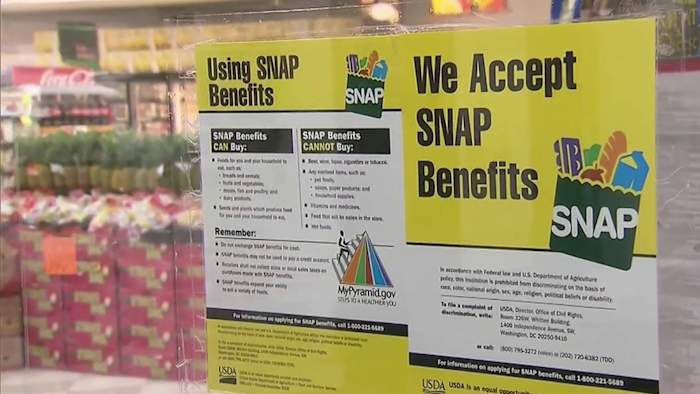
Emergency food stamps continue to assist families in need this June. Some states have extended benefits due to ongoing challenges. Funding levels vary based on local decisions. Many areas offer temporary boosts to regular food stamp amounts. Check your state’s official site for specific updates.
Eligibility Criteria Changes
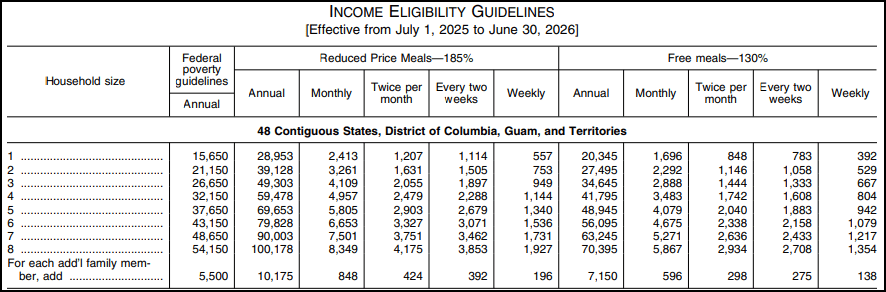
Several states have adjusted eligibility rules recently. Income limits may have shifted to include more households. Some programs now accept new types of proof for income and expenses. People impacted by job loss or illness often qualify under expanded rules. Confirm your eligibility by reviewing updated guidelines online.
Application Deadlines
Applications for emergency food stamps have set deadlines in June. Missing these dates can delay or stop your benefits. Many states use online portals for faster processing. Paper applications remain available in some locations. Act quickly to ensure your request is processed on time.
Credit: disabilityalliancebc.org
Impact On Beneficiaries
Understanding the impact of emergency food stamps in June is crucial for those who rely on this support. These benefits can provide immediate relief but also bring changes to daily life and budgeting. Let’s look closely at who truly gains from these benefits, the challenges they might face, and the resources available to help.
Who Benefits Most
Emergency food stamps primarily help low-income families struggling to meet basic needs. Single parents, the elderly, and people who recently lost their jobs often see the biggest difference in their food security. If you’ve experienced sudden financial hardship, this aid can be a lifeline, helping you stretch your grocery budget further than usual.
Think about a friend who lost hours at work last month. With emergency food stamps, they managed to keep their pantry stocked without sacrificing other essentials like rent or utilities.
Potential Challenges
While emergency food stamps offer important support, they can come with hurdles. Some beneficiaries face delays in receiving aid or confusion about eligibility rules. This can cause stress and uncertainty, especially if you’re relying on this support to feed your family.
Another challenge is that the amount might not fully cover your needs, forcing difficult choices. Have you ever had to decide between buying fresh produce or cheaper processed foods? This is a common struggle among recipients.
Support Resources
There are many resources to help you navigate these challenges. Local food banks and community centers often provide additional support alongside food stamps. You can also find online tools and hotlines that offer guidance on application processes and maximizing benefits.
- Check your state’s SNAP office website for updates and FAQs.
- Visit food pantries for emergency supplies during gaps in benefits.
- Use budgeting apps tailored to SNAP recipients to plan meals effectively.
What steps can you take today to ensure you get the most out of emergency food stamps? Exploring these resources might be your best first move.
Government Announcements
The topic of emergency food stamps in June has caught the attention of many, especially those relying on government support. Understanding what the government says about this can help you plan better and avoid last-minute surprises. Let’s review the latest government announcements to see what’s on the horizon.
Recent Statements
Government officials have recently addressed concerns about emergency food stamps. Some have confirmed that no new emergency benefits will be issued this June, citing budget constraints. Others have emphasized ongoing support through regular SNAP benefits, encouraging recipients to apply or renew on time.
These statements highlight a focus on stability rather than new emergency measures. Have you checked your current benefit status to ensure you’re receiving all available aid?
Future Plans
Looking ahead, the government is considering ways to improve food assistance programs without immediate emergency boosts. Plans include streamlining application processes and increasing outreach to vulnerable communities. However, no official announcement guarantees additional emergency food stamps this summer.
This cautious approach suggests more sustainable solutions are prioritized over temporary fixes. What would make the program more effective for you in the long run?
Funding Allocations
Funding for food assistance programs is a key factor in whether emergency benefits will continue. Recent budget reports show that while regular SNAP funding remains steady, there is no extra allocation specifically for emergency food stamps in June. This means any extensions depend heavily on future congressional decisions.
Understanding how these funds are allocated can help you anticipate changes. Have you explored local food banks or community programs as backup support?

Credit: www.economist.com
How To Apply Or Renew
Applying for or renewing emergency food stamps can feel overwhelming, but understanding the process makes it easier to manage. Knowing exactly what to prepare and how to submit your application ensures you don’t miss out on crucial support. Whether you’re new to the program or reapplying, clear steps guide you through the process smoothly.
Application Process Steps
Start by visiting your local food assistance office’s website or contacting them directly to get the latest application forms. Fill out the required information carefully—any missing details can delay your approval. After submission, you may need to participate in an interview, which can often be done over the phone or in person.
Once you complete these steps, keep an eye on your email or mailbox for updates. Your caseworker will inform you if any additional information is needed. Staying proactive can speed up your approval and help you receive benefits without unnecessary waiting.
Required Documents
- Proof of Identity:A government-issued ID such as a driver’s license or passport.
- Proof of Income:Recent pay stubs, tax returns, or benefits statements.
- Proof of Residency:Utility bills, lease agreements, or official mail showing your address.
- Household Information:Details about everyone living with you, including their income and expenses.
Gathering these documents before applying saves time and prevents frustration. Have digital copies ready if you’re applying online, or bring originals and photocopies if you go in person.
Online Vs In-person Options
Applying online offers convenience—you can complete the process from home at your own pace. Most state agencies provide secure portals where you can upload documents and track your application status.
However, in-person visits can provide direct assistance and immediate answers to your questions. Some people find speaking face-to-face reassuring, especially if they’re unsure about the eligibility rules or have unique circumstances.
Which option fits you better? Consider your comfort with technology, availability, and the complexity of your situation. Sometimes a quick visit to the office can clear up confusion faster than emails or phone calls.
Alternatives If Benefits Are Unavailable
If emergency food stamps are not available in June, you still have several options to ensure you and your family don’t go hungry. It’s important to know where to turn quickly, so you can get the help you need without delay. Let’s look at some practical alternatives that can provide immediate food support.
Local Food Banks
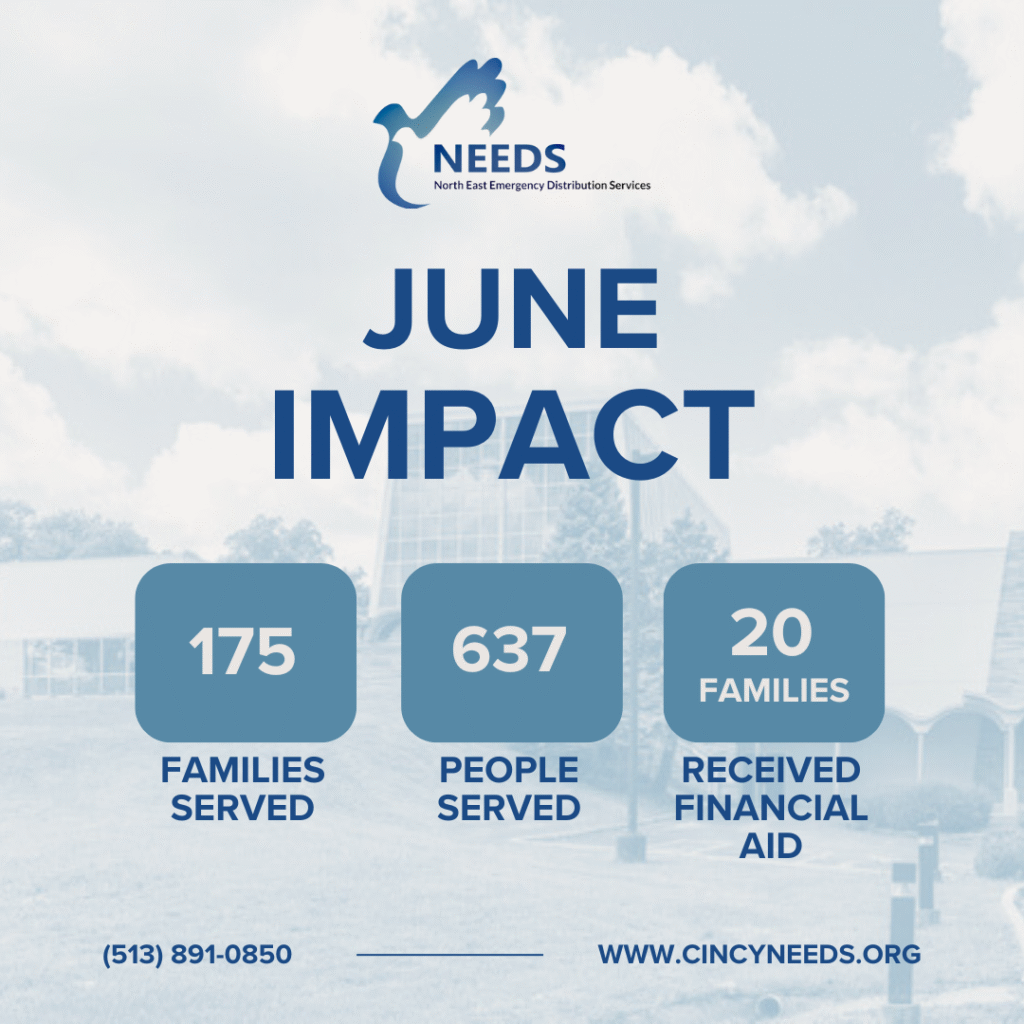
Food banks are a lifeline for many people facing food insecurity. You can visit them in person or check their websites for distribution schedules and eligibility rules.
Many food banks offer more than just canned goods—they often provide fresh produce, dairy, and bread. Some even allow you to choose your items, which helps reduce food waste and ensures you get what you need.
Have you checked out your local food bank recently? You might be surprised how much support they can offer beyond the basics.
Community Assistance Programs
Various nonprofits and churches run food assistance programs that are open to everyone. These programs often include meal sites where you can eat on the spot or take meals home.
Community gardens and co-ops might also be available, offering fresh food at low or no cost. Volunteering there could even give you access to extra food and connect you with helpful resources.
Think about reaching out to local community centers—sometimes, the help you need is right around the corner but not widely advertised.
Other Federal Support
Besides emergency food stamps, federal programs like the Women, Infants, and Children (WIC) program and the National School Lunch Program provide targeted food assistance.
These programs can offer specialized nutrition support for children and pregnant or breastfeeding women. Applying for these could give you more stable food access while waiting for emergency benefits.
Could applying to these programs be a step toward easing your food worries? Checking eligibility is often simple and worth the effort.
Credit: www.michigan.gov
Frequently Asked Questions
What Are Emergency Food Stamps?
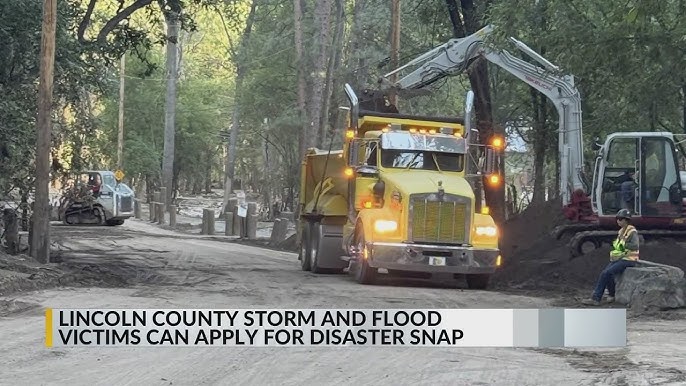
Emergency food stamps, also known as Disaster Supplemental Nutrition Assistance Program (D-SNAP), help families in crisis. They provide temporary food assistance during emergencies like natural disasters. Eligibility depends on the specific situation and state guidelines. These benefits ensure families can access food quickly during challenging times.
Who Qualifies For Emergency Food Stamps?
Eligibility for emergency food stamps depends on various factors, including income and disaster impact. Typically, those affected by a declared disaster who face food insecurity may qualify. Each state has specific guidelines, so it’s essential to check with local authorities for detailed requirements.
How Do I Apply For Emergency Food Stamps?
To apply, contact your local SNAP office or visit their website. You may need to provide proof of disaster impact and income. The application process can be expedited during emergencies to ensure timely assistance for affected families.
Are Emergency Food Stamps Available In All States?
Emergency food stamps are typically available in states affected by declared disasters. Availability depends on state-specific guidelines and federal approval. It’s essential to stay informed through local SNAP offices or government websites for updates on emergency assistance programs in your area.
Conclusion
Emergency food stamps in June remain uncertain for many families. Stay updated by checking official government websites often. Local offices provide the latest information and help with applications. Keep all your documents ready to avoid delays. Emergency food assistance can support your household during tough times.
Planning ahead makes the process smoother and faster. Remember, help is available for those who qualify. Don’t lose hope if you face challenges applying. Small steps now can ease future food worries. Stay informed, stay prepared, and take action early.